
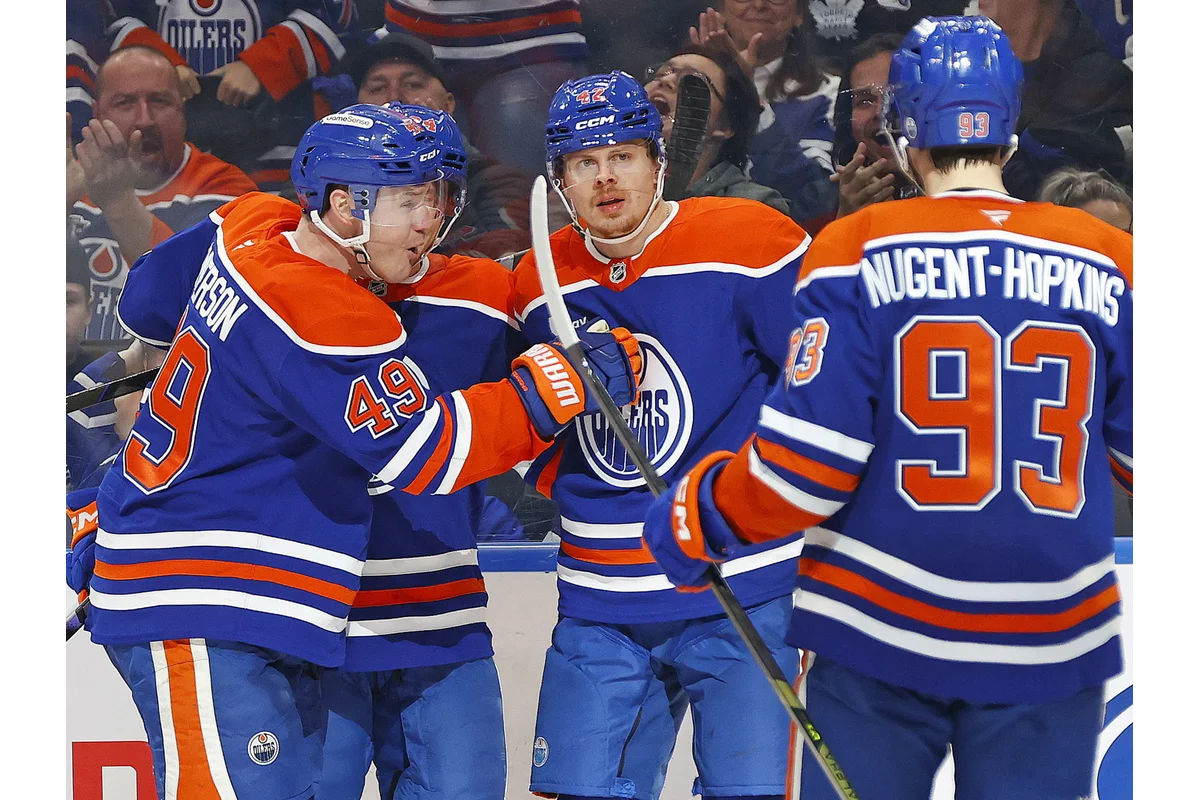
Recently, discussions have emerged about the possibility of bringing former assistant coach Paul Coffey back to the Edmonton Oilers to manage the defense, a role that is currently assigned to Mark Stuart. Stuart also continues to oversee the penalty kill, but with the Oilers operating with just three coaches on the bench instead of the usual four, the team is struggling to maintain cohesion and attention to detail in various aspects of their play. Having fewer coaches complicates game preparation and might be contributing to the team’s uneven performances.
Defensive Struggles in the 2025–26 Season
This season, the Oilers’ defense has notably declined in almost every respect. Their puck movement has become problematic, as they are attempting long, risky stretch passes through the Neutral Zone that frequently get intercepted. In contrast, during Coffey’s tenure, the team favored shorter, quicker passes that generated more offensive chances off the rush. Additionally, their in-zone defense is weaker; opponents are finding it too easy to penetrate the low slot or secure rebounds near the goaltender.
The most glaring issue is on the penalty kill. Although the Oilers were previously ranked within the top 12 in this category, that success appeared partly due to luck rather than strong execution. Defensive coverage in front of the net is poor, and the team struggles to stop high-danger cross-crease passes as well as rebounds and tips, leading to an alarming expected goals (xG) against of 40.3 during penalty kills—potentially among the worst in NHL history.
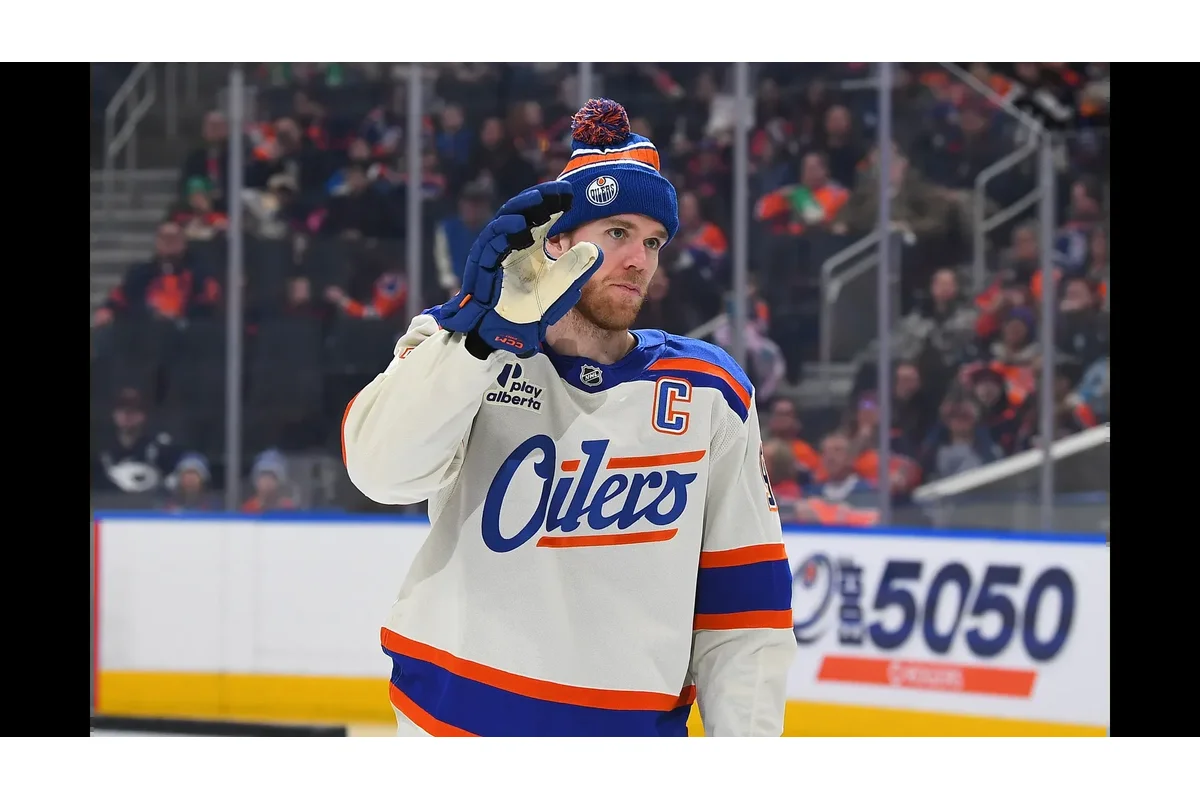
Performance Review of the 2024–25 Campaign
During Coffey’s final year overseeing the defense, the Oilers were among the league’s best, ranking in the top three defensively. They did an excellent job limiting high-danger scoring chances, which eased the burden on goaltenders Calvin Pickard and Stuart Skinner. However, the penalty kill under Stuart remained inconsistent, finishing 16th in the league and still vulnerable to slot shots. While net-front clearing was more effective that season, allowing goalies better sightlines, the results still fell short, especially in the playoffs where the penalty kill was ranked 14th out of 16 teams, posting a poor 67.1% success rate.
Defensive and Penalty Kill Trends During the 2023–24 Season
The pattern observed in 2024–25 closely mirrored the previous season. With Coffey directing the defense, the Oilers maintained a stingy, well-organized unit that emphasized quick, short passes rather than risky long transitions. This approach made it difficult for opponents to maintain puck control. However, the penalty kill remained mediocre overall during the regular season, coming in 15th in the NHL.
The playoff performance was a rare bright spot, achieving an elite 94.3% kill rate along with a remarkable goals-for percentage of 25 (3 goals for, 4 against). Despite this, experts suggest the playoff success was more of a breakout performance rather than a steady trend, as regular season vulnerabilities persisted, especially in clearing the crease and defending high-danger chances.
Necessary Changes and Future Outlook for the Oilers’ Coaching Staff
It is evident that the Edmonton Oilers require adjustments to their coaching staff to address these defensive issues. Mark Stuart’s performance has not met expectations to justify retaining his position as the sole assistant coach managing defense and penalty killing. A practical solution would be to reintroduce Paul Coffey to support the defensive unit while Stuart focuses exclusively on penalty kills for the remainder of the season. Ahead of the offseason, the team should consider recruiting two new assistant coaches to provide fresh perspectives and expertise in these critical roles, thereby improving overall team structure and performance.
“40.3 xG on the penalty kill is straight up laughable. This may be the worst penalty kill in NHL history.” – Anonymous Analyst
“They were a legit top three defensive team in the league. They were one of the best in suppressing high-danger chances in the league and made it super easy on Calvin Pickard and Stuart Skinner.” – Anonymous Analyst
The current instability in the Oilers’ coaching setup is having a tangible impact on the team’s defensive execution and penalty kill effectiveness, both of which are vital to their success in the competitive NHL environment. Making strategic coaching changes could stabilize the defense, enhance penalty kill performance, and ultimately lead to better outcomes as the season progresses and in future campaigns.
