
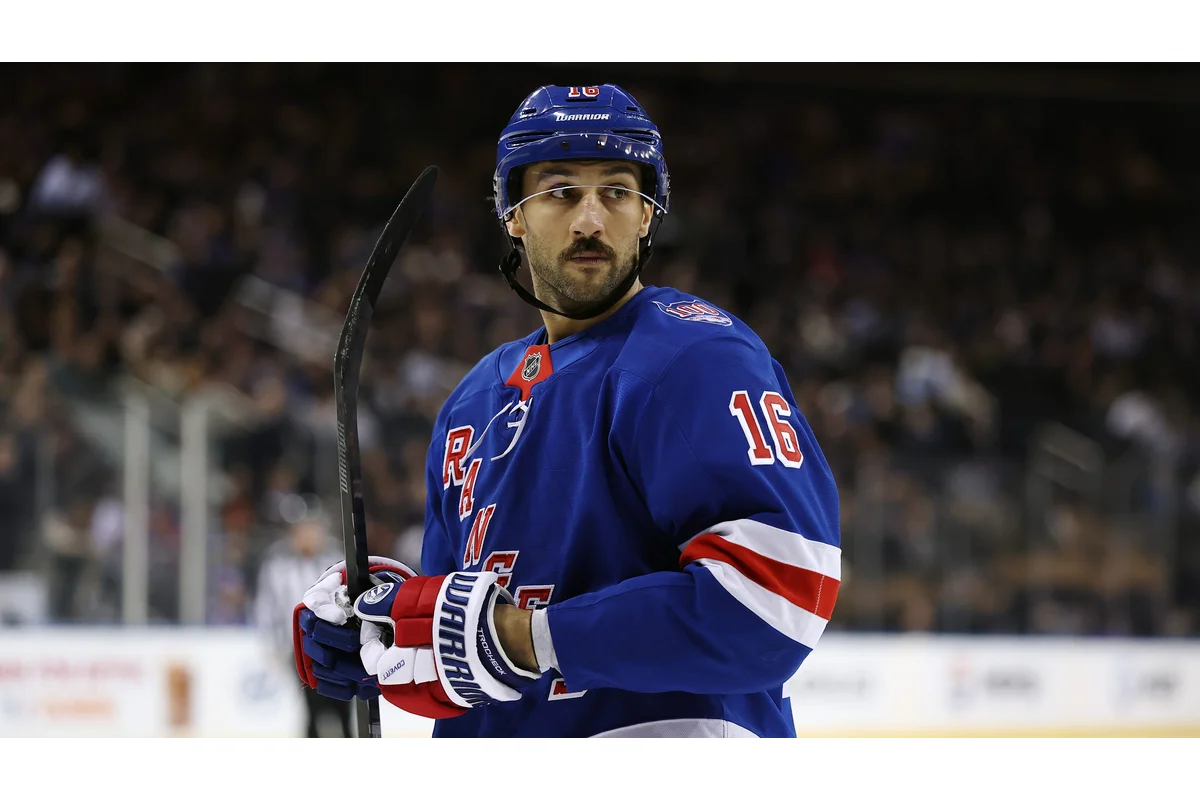
MILAN — The United States men’s hockey team, led by general manager Billy Guerin, returned to the Winter Olympics in 2026 with a carefully crafted roster aimed at more than just showcasing NHL stars. Guerin’s deliberate roster choices prioritized team chemistry, clearly defined roles, and collective dynamics over individual scoring prowess. His vision was first shaped shortly after the U.S. fell to Canada in the 4 Nations Face-Off championship, and the approach aimed to build a cohesive unit rather than simply assembling a group of All-Star players.
Head coach Mike Sullivan and Guerin emphasized that the team was constructed to excel in areas like penalty killing, faceoffs, and character, rather than relying solely on the highest offensive talent. This focus helped stave off early criticism as notable NHL names such as Jason Robertson, Adam Fox, and Cole Caufield were not included, despite their high skill levels and strong seasons. The intention was clear: fill specific roles to form a winning team.
Overcoming Doubts with a Historic Gold Medal Victory
Despite skepticism throughout the tournament, the United States went undefeated and ultimately secured the gold medal at the 2026 Milan Cortina Winter Olympics, a triumph coming 46 years after the famed “Miracle on Ice.” This achievement affirmed the success of Guerin’s roster philosophy and silenced many doubters who questioned the lineup choices. The players who were selected stepped up on the global stage, demonstrating resilience and skill in fulfilling their designated roles.
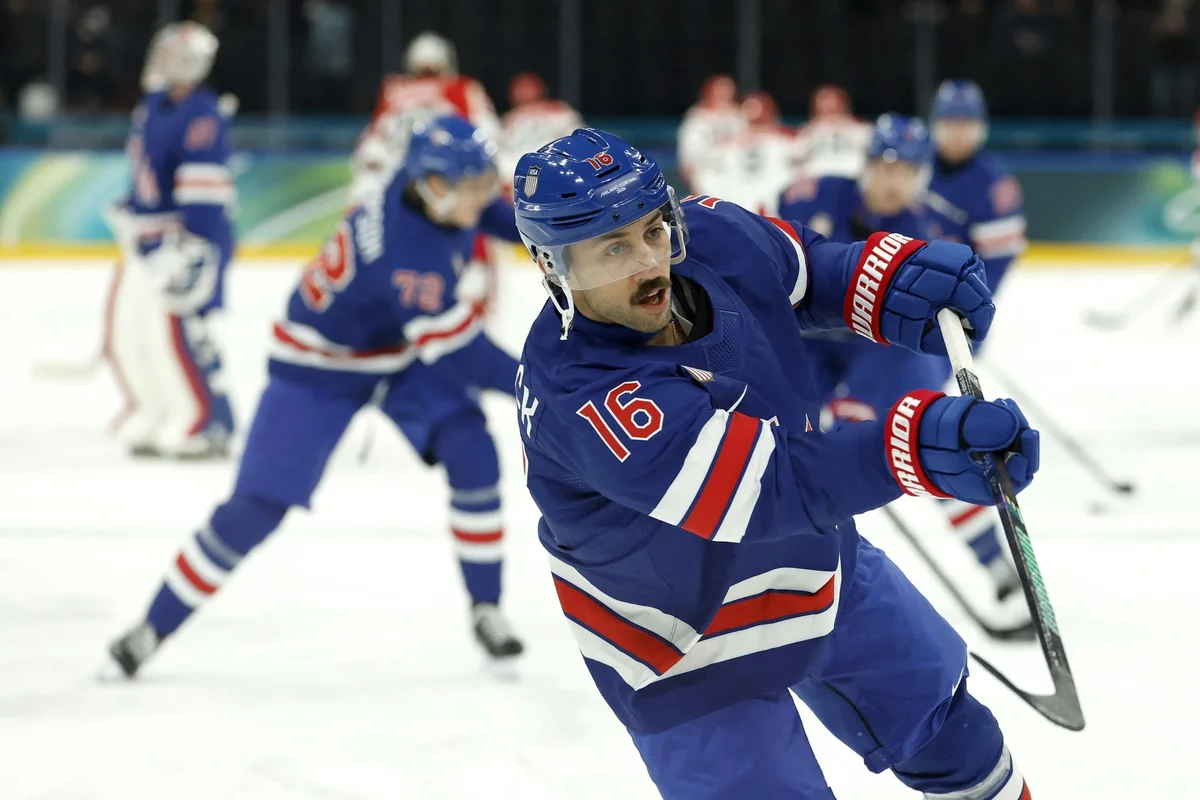
Vincent Trocheck, a standout from the New York Rangers, epitomized this success. Finishing second on the team in faceoff win percentage and third in the entire tournament, Trocheck’s performance was integral to the team’s penalty kill dominance, especially in the tense gold medal match.
“I’m pretty f–king proud, I’ll be honest,”
said Vincent Trocheck after receiving his gold medal.
“Yeah, we heard all the talk, that we shouldn’t be here. Listen, I’m not naive. I know that there’s players that have more skill to be in the NHL. We were able to come here and we had a job to do, and it was to be good penalty kill guys, face-off guys, character guys. We took that role and we ran with it.”
Penalty Killing Unit’s Exceptional Performance Defined the Team
The penalty kill proved crucial for Team USA’s success throughout the tournament, and it was especially pivotal during the gold medal game. The American squad faced a daunting 5-on-3 disadvantage for 93 seconds against what was perhaps Canada’s most formidable offensive unit ever assembled on ice. Trocheck and his Rangers teammate J.T. Miller anchored a flawless 18-for-18 penalty kill that helped preserve the lead. This unit’s discipline and commitment under pressure spelled the difference between victory and defeat.
J.T. Miller reflected on their penalty kill approach after the game, stating it was a testament to trust and instincts.
“It’s really easy to get off course with a group like that. They can do stuff that’s a little more abnormal to make you kind of get off the game plan and do something you normally wouldn’t do. I just think we trusted our instincts. Our chemistry is really good as a unit even though we’ve only played two tournaments together now. Just so thankful and lucky, and I can’t believe it happened.”
A Team Built on Character and Defined Roles
The United States team roster was meticulously assembled with players willing to embrace different roles, including those accustomed to more prominent roles in the NHL, such as power play specialists, who readily stepped into fourth-liner responsibilities. The commitment to their roles rather than individual glory became a cornerstone of their Olympic journey, leading to the ultimate reward: a gold medal.
For Billy Guerin, the outcome was a vindication of his vision and strategy. Head coach Mike Sullivan highlighted the importance of personality and character within the squad, explaining how these intangible qualities shaped the team’s identity.
“Maybe the most important aspect of it is just the character of the group, the personality of the team,”
Sullivan said.
“As I said to the players — you guys are probably going to laugh when I say it — but the team was built with personality in mind. We are loaded with personality up and down our lineup. There are whiskey drinkers and milk drinkers, and we’ve got a lot of whiskey drinkers.”
Impact of the Victory and Future Outlook
The U.S. men’s hockey team’s gold medal at the 2026 Winter Olympics marked a transformative moment, reaffirming the value of team-building beyond star power. This achievement likely sets a blueprint for future Olympic roster selections, emphasizing character, chemistry, and complementary skill sets. Vincent Trocheck and J.T. Miller’s Olympic performances especially stand out, as they demonstrated how disciplined roles and determination can overcome expectations and criticism.
As fans and experts reflect on this win, the impact of Guerin’s management and Sullivan’s coaching will be studied and appreciated, with hopes that this approach can sustain American success in international hockey tournaments going forward.
