
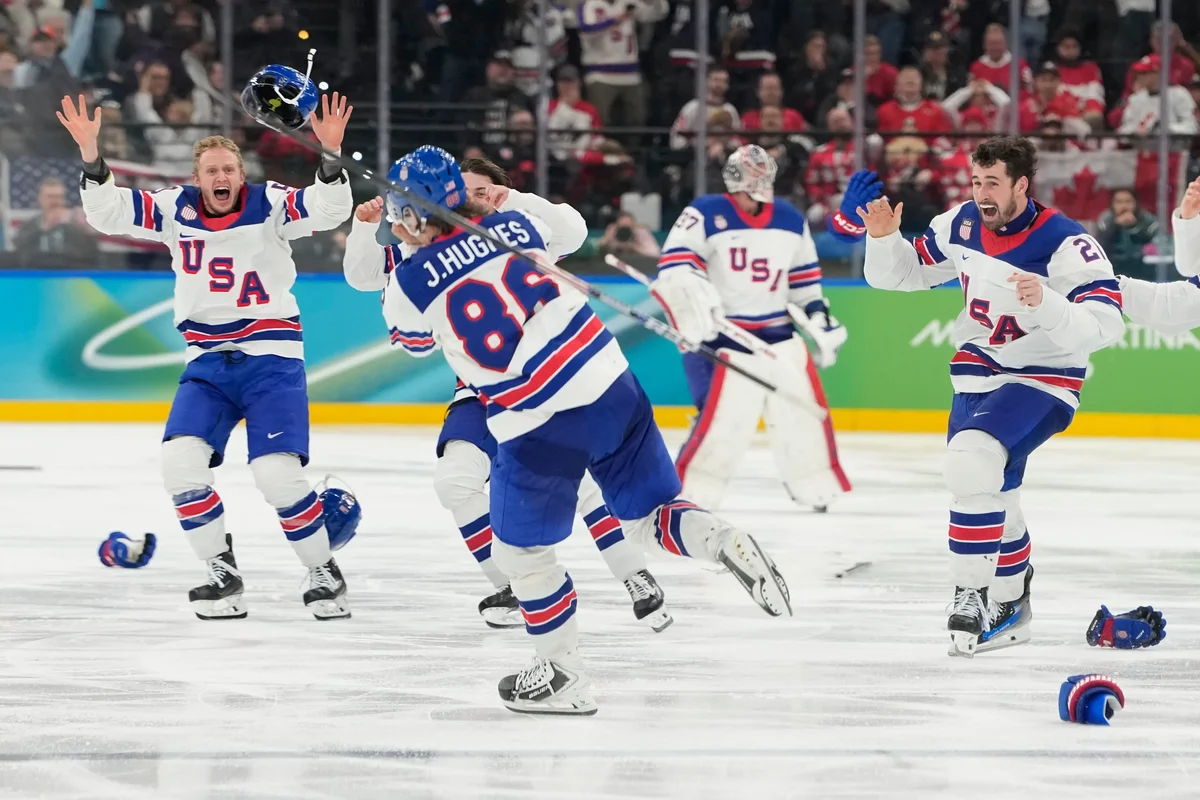
The return of NHL Olympic hockey captivated fans on February 22, 2026, as the United States clinched the gold medal in an overtime victory against Canada at the Winter Olympics in Milan, Italy. This marked the sport’s thrilling resurgence on the international stage following a 12-year hiatus, showcasing top NHL talents competing for national pride.
Knockout Round Filled With Overtime Excitement
Four of the seven elimination games during the Milan Cortina Olympics progressed into overtime, underscoring the evenly matched competition that kept viewers on edge throughout the tournament. The gold medal final itself was a frenetic back-and-forth battle culminating in a sudden-death OT goal by American Jack Hughes. The game’s intensity put NHL Olympic hockey firmly back in the spotlight.
“This is as good as it gets,”
U.S. forward Vincent Trocheck commented.
“They’ve got to keep doing it.”
Future Plans for NHL Participation in Olympics and International Events
The NHL, NHL Players’ Association (NHLPA), and International Ice Hockey Federation (IIHF) have agreed in principle to allow NHL players to participate again in the 2030 Winter Olympics in the French Alps, contingent upon finalizing terms with the International Olympic Committee. Meanwhile, the World Cup of Hockey is set to return in February 2028, offering another venue for the world’s best players to face off.
The NHL and NHLPA are collaborating closely to establish a more consistent international event schedule, aiming for high-level competitions every other year. The IIHF is supportive of this vision, enhancing coordination among the key stakeholders.
“The hockey world from NHL/NHLPA standpoint is in a better place when The Players’ Association and the league are cooperating and, internationally, when these three organizations are collaborating the hockey world is in a better place,”
NHL Commissioner Gary Bettman said.
“And it gives us an opportunity to grow the game in places where we’re not as strong as, say, we are in North America and we look forward to continuing to collaborate with (IIHF president Luc Tardif) in furtherance of growing the game. That’s the goal, and the more things that we can figure out to do together, the better it will be for everybody.”
Reflecting on NHL’s Olympic History and the Impact of a Hiatus
The 2026 event marked the sixth time NHL players participated in the Olympics, a tradition beginning in 1998 at Nagano. The NHL’s absence in 2018, and the pandemic-related disruption in 2022, left many fans and players longing for the return of elite international competition, intensifying the appreciation for this year’s tournament.
“It’s been so long since the last one,”
noted Canada defenseman Drew Doughty.
“Wish it had never happened this way, but here it is.”
U.S. Breaks Through for First NHL Olympic Gold Since 1980
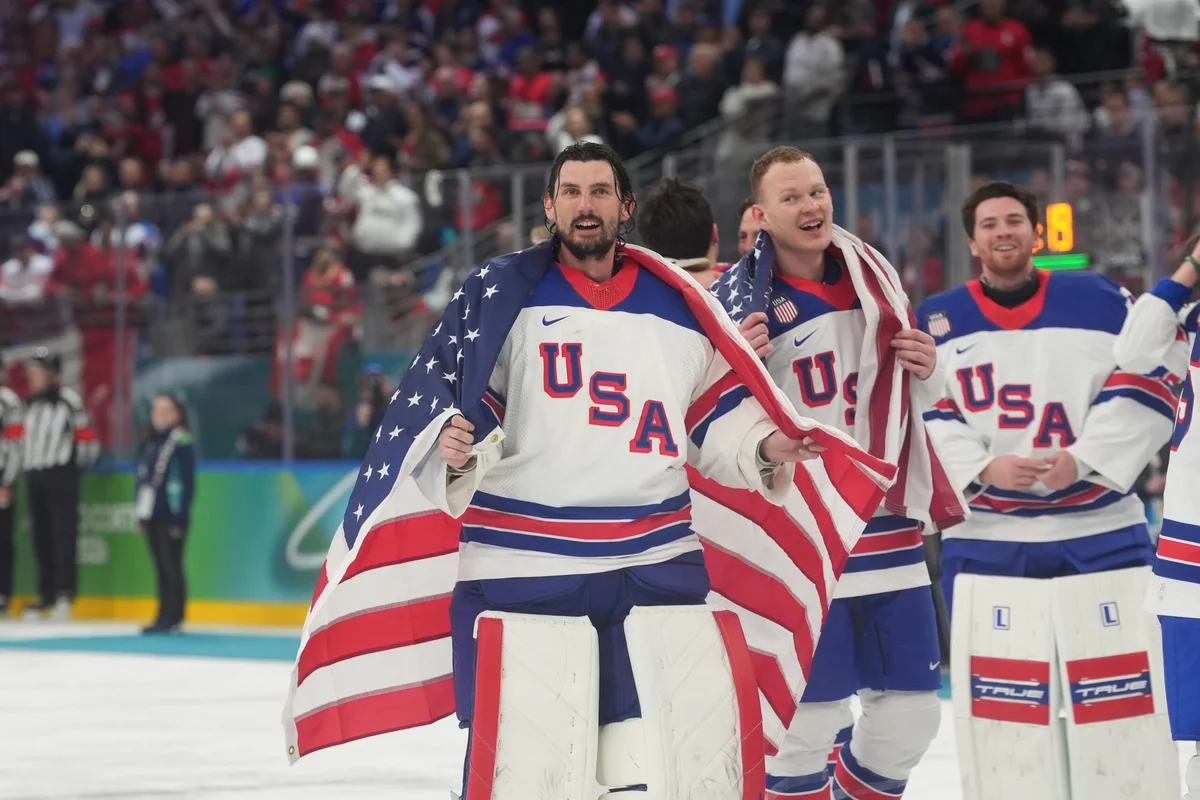
The United States secured their first gold medal in men’s hockey at the NHL Olympics since their historic “Miracle on Ice” victory in 1980. This snapped Canada’s streak of winning two successive golds and three out of the last four tournaments. Connor Hellebuyck’s exceptional goaltending was widely recognized as a pivotal factor in the team’s success.
“He was our best player by a mile,”
Jack Hughes said after scoring the decisive overtime goal, despite missing teeth from an earlier clash.
3-on-3 Overtime Format Draws Criticism From Coaches
Hughes’ game-winning goal came less than two minutes into a 3-on-3 overtime period, a format designed to resolve ties quickly. However, this approach was met with criticism, especially concerning its use in such a crucial gold medal match and its potential continuation at future NHL and NHLPA-sanctioned events like the World Cup of Hockey.
Canada’s head coach Jon Cooper expressed reservations, stating that playing 3-on-3 “is not hockey anymore.”
“There’s a reason overtime and shootouts are in play: It’s all TV-driven to end games, so it’s not a long time,”
Cooper explained.
“There’s a reason why (3 on 3) is not in the Stanley Cup Final or playoffs.”
Reactions From Winning Players and Looking Ahead
Immediately after the United States celebrated their victory, players accepted the format despite earlier disagreements, expressing satisfaction with the outcome of the tournament.
“Right now, I think it’s great,”
Brock Nelson said.
The NHL’s return to the Olympic Games not only rekindled a passionate chapter in international hockey but also laid a foundation for more frequent elite competitions worldwide. With collaborative efforts underway among the NHL, NHLPA, and IIHF, fans can anticipate more compelling showdowns at the Olympics in 2030 and the World Cup in 2028, enhancing the global reach and growth of hockey.
