
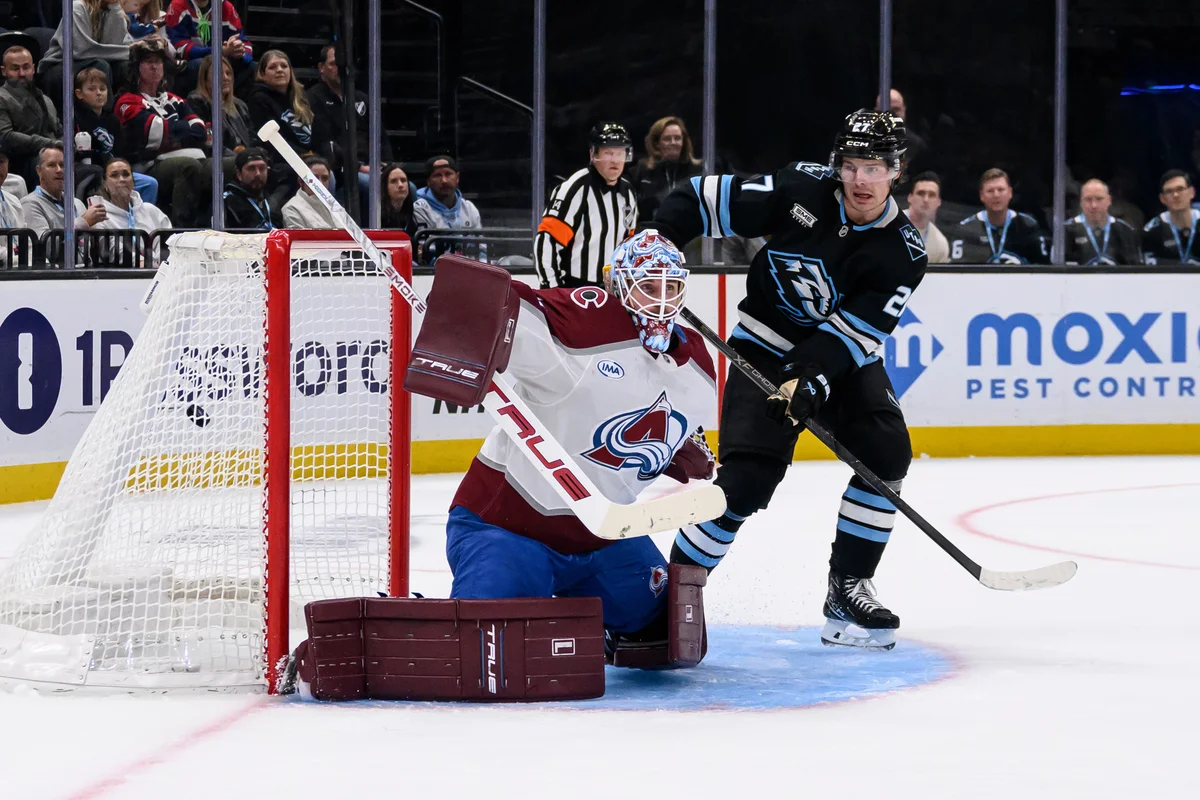
Karel Vejmelka’s absence from Team Czechia’s starting lineup at the 2026 Milano Cortina Olympics has unexpectedly benefited the Utah Mammoth by providing him with a rare three-week rest during a season when he is on track to lead, or share the lead, in NHL games played. This reprieve is crucial to managing the intense Karel Vejmelka goaltending workload that has taxed him in previous seasons.
The extended break offers Vejmelka a vital recovery period that should help him avoid late-season fatigue, a problem he faced during the Mammoth’s inaugural campaign. Still, the team recognizes the importance of strengthening their goaltending depth to ensure Vejmelka does not face burnout again.
Current Goaltending Situation Calls for Measured Reinforcement
After an impressive debut season in Salt Lake City, Vejmelka secured a five-year contract extension, confirming the Mammoth’s confidence in him as their franchise goalie moving forward. Although his early NHL days raised some doubts, his current statistics — a .902 save percentage and 6.3 goals saved above expected — affirm his reliability in net.
Yet, the Mammoth have struggled to find a dependable backup, as Vitek Vanecek’s performance has been disappointing, delivering an .884 save percentage, allowing 4.3 goals more than expected, and posting a losing 3-9-2 record.
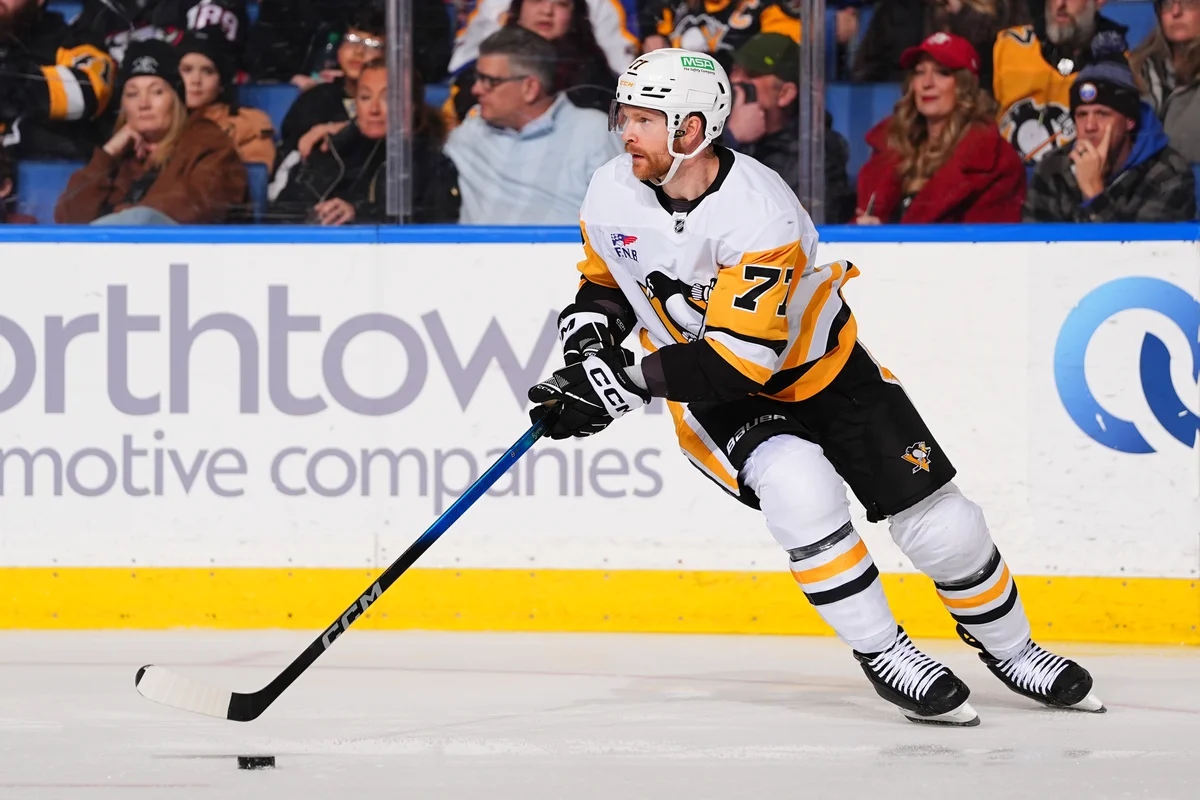
While the Mammoth do not necessarily need to overhaul their crease, they would benefit from adopting a 1A/1B goalie tandem, a strategy popular among various NHL teams seeking to manage starter workloads effectively. The urgency for a reliable secondary option is heightened by the team’s two full seasons without a strong backup and the ongoing question surrounding Michael Hrabel, a promising 21-year-old, 6-foot-6 goaltender in their system.
Ultimately, the Mammoth require a trustworthy goaltender who can step in and help secure victories occasionally during this season and potentially into the next.
Jesper Wallstedt as a Potential Long-Term Solution from Minnesota
Jesper Wallstedt’s name has circulated in trade rumors following Minnesota Wild’s acquisition of Quinn Hughes from the Vancouver Canucks. With 27-year-old Filip Gustavsson already established as the Wild’s primary starter on a five-year contract, the team might consider trading Wallstedt, their talented 23-year-old netminder, to bolster their roster for a Stanley Cup run.
Wallstedt would offer more than just a backup option; his rookie season ranks him among the league’s best, boasting ninth place in goals saved above expected (12.38) and eighth in save percentage among goalies with at least 10 games played. His potential to develop into a franchise cornerstone is clear.
However, acquiring Wallstedt could be challenging, as both the Mammoth and Wild are viewed as buyers. Minnesota will seek assets that contribute immediately, whereas Utah’s strengths lie in prospects and future potential. Despite these hurdles, general manager Bill Armstrong might see this as a rare chance to add a proven young goaltender with the capacity to elevate the Mammoth’s crease for years to come.
Anthony Stolarz Could Offer Experienced Depth from Toronto
Anthony Stolarz’s seasons with the Toronto Maple Leafs have been a rollercoaster. His 2023 campaign earned him fifth place in Vezina Trophy voting and a standout playoff performance interrupted by injuries — notably, a hit from Sam Bennett and an impact from a puck to his mask. This season, though, Stolarz has battled injuries and played behind a defensively porous Maple Leafs unit that ranks poorly in scoring and high-danger chances allowed.
In prior seasons, Stolarz ranked second in save percentage and goals saved above expected among NHL goaltenders logging over 1,000 minutes, underscoring his capability when healthy. Currently, he is in the second year of a two-year deal, with a lucrative four-year extension set to begin next year, worth $3.75 million annually.
If Utah acquired Stolarz, it would create a formidable goalie duo with Vejmelka, sharing contracts that expire simultaneously when both goalies are in their mid-30s. This tandem could be among the NHL’s strongest, offering a balanced workload division. Additionally, Toronto’s pressing need for draft picks aligns with Utah’s assets, possibly facilitating a mutually beneficial trade.
Long-Term Considerations Centered on Michael Hrabel’s Development
The Mammoth’s future goaltending outlook hinges heavily on the progression of Michael Hrabel, Arizona Coyotes’ second-round pick in the 2023 NHL Entry Draft. The 21-year-old Czech netminder, standing 6-foot-7, has displayed promising talent with a .924 save percentage over 76 NCAA games at the University of Massachusetts, where he is currently a junior.
Despite speculation that the Mammoth were eager to sign Hrabel after his sophomore year, he chose to remain in college to continue his development. With one more year of NCAA eligibility remaining, the timeline for his transition to professional hockey—and specifically to the NHL—is uncertain.
This ambiguity complicates long-term decision-making for the Mammoth, prompting caution on committing to multi-year contracts for backups until Hrabel’s readiness is clearer. Regardless of the goaltender brought in—whether Wallstedt, Stolarz, or a short-term rental—the Mammoth must secure a reliable secondary netminder to alleviate Karel Vejmelka’s workload, given Vanecek’s inability to fulfill that role effectively.
The critical next step for Utah is to identify a goalie capable of stepping in and providing the team a genuine chance to win when Vejmelka needs rest, avoiding the risk of repeating past struggles from overreliance on their starter.
