

As the NHL resumes action following the 2026 Winter Olympics, attention shifts sharply toward the NHL Trade Deadline set for March 6 at 2:00 pm CST. The Winnipeg Jets face several trade possibilities as they seek to strengthen their roster and address key team needs before the deadline approaches, particularly focusing on whether acquiring Shane Wright fits into their strategy at this crucial juncture.
Assessing Shane Wright’s Potential Role with Winnipeg
Winnipeg has been linked to Shane Wright amid discussions around the team’s performance and roster adjustments. Seattle, holding Wright as a former fourth overall pick experiencing a challenging season, appears open to moving him. However, the prospect of trading Cole Perfetti from Winnipeg for Wright is complicated, as Perfetti’s contributions improve with the right linemates, making his departure costly for the Jets.
Speculative trade proposals often involve a one-for-one swap of Wright and Perfetti, which would leave both teams in comparable positions without clear gains. Winnipeg currently needs to bolster its second or third line rather than disrupt it by losing a valuable forward like Perfetti. Moreover, Winnipeg’s roster constraints mean that releasing Perfetti would likely require calling up younger players from the Manitoba Moose or orchestrating additional, potentially larger moves later.
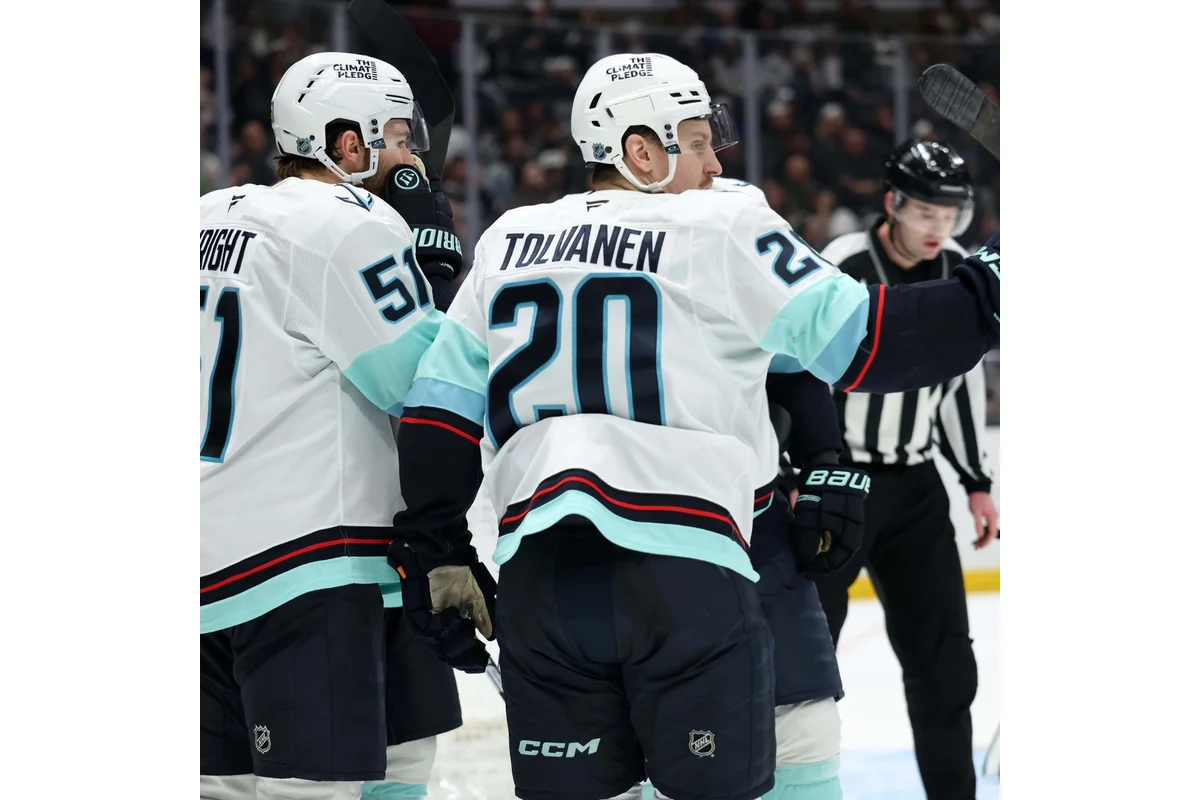
Whether Wright is moved during the deadline remains uncertain, as Seattle aims to strengthen its top-six forwards in an ongoing playoff race within the Pacific Division against teams like the Anaheim Ducks. While Wright could fill a central role for the Jets, Winnipeg’s shortage of productive wings raises questions over the overall roster fit of such a trade.
Logan Stanley’s Status and Potential Trade Developments
Logan Stanley has been a focal point of trade discussions throughout the season. The towering 6-foot-7 defenseman is enjoying a strong contract year with Winnipeg, expected to suit up for 81 games this season and approaching a 26-point output (13 goals, 13 assists). His combination of size, physicality, and affordable $1.25 million cap hit makes him an intriguing option for teams seeking defensive depth at the deadline.
Contract talks between Stanley’s camp and Winnipeg have yet to materialize into an extension, indicating his time with the Jets may be coming to an end. Yet, conflicting reports have surfaced, such as Ken Wiebe of the Winnipeg Free Press noting Stanley’s desire to remain with the team. Despite his wish to stay, organizational plans and trade market interest could lead to his departure.
Winnipeg faces injury challenges in their defensive corps, raising speculation over whether Stanley will be moved immediately or if another decision will precede his potential trade. Stanley’s next destination could be in either the Western or Eastern Conference, with several teams expressing interest including Colorado, Edmonton, Pittsburgh, Tampa Bay, Carolina, and Detroit.
The Edmonton Oilers represent a notable possible trade partner, especially given earlier reports of Winnipeg’s interest in acquiring one of Edmonton’s forwards. Suggestions that Stanley could be part of a trade package involving Andrew Mangiapane have circulated, but the likelihood diminishes if the Jets require a first-round pick in return, signaling such a deal is less viable.
Stanley’s situation also highlights larger concerns about Winnipeg’s defensive depth and postseason readiness. The playoff run exposed the need for an established top-four defenseman beyond players like Dylan Samberg, Neal Pionk, and Dylan DeMelo. Whether Winnipeg views Stanley as ready to step into an expanded role or prefers to leverage him as a trade asset remains a key question ahead of the deadline.
Boone Jenner as a Possible Mid-Season Acquisition
Boone Jenner has emerged as a potential trade candidate of interest for Winnipeg. At 32, Jenner is not known for high scoring, typically posting between 30 to 45 points per season, but he provides solid veteran experience and secondary scoring, qualities Winnipeg desperately needs. As a centre, Jenner aligns with Winnipeg’s demand for impactful middle-six forwards.
The challenge is that Jenner currently serves as captain of the Columbus Blue Jackets, and trading away a team captain mid-season is rare. If Columbus is open to moving him, Winnipeg would likely pursue Jenner only if they can exchange a player of similar age and experience, creating a balanced transaction.
Jenner’s status as an impending unrestricted free agent means his future with Columbus is uncertain, but the Blue Jackets’ decision to part ways with their leader would be significant. Acquiring Jenner would help Winnipeg inject youth and experience but would require forward-looking roster planning beyond the current season, as Winnipeg aims to rebuild strategically rather than just chase a playoff spot.
Luke Schenn Remains Winnipeg’s Top Trade Candidate
Among all trade possibilities, veteran defenseman Luke Schenn stands out as Winnipeg’s prime candidate to be moved. Throughout this season, Schenn has reportedly expressed dissatisfaction with his role, prompting the Jets to consider facilitating a change that would benefit both parties. Releasing Schenn could free salary cap space for Winnipeg while providing him with an opportunity to join a contender.
Schenn’s experience makes him a valuable asset for teams seeking to bolster their depth defensively ahead of a playoff push. Winnipeg’s willingness to accommodate his request reflects positively on the franchise’s approach to veteran players. This move could also strengthen Winnipeg’s reputation as a respectful organization, enhancing its appeal to other veteran acquisitions in future windows.
Since joining Winnipeg, Schenn has primarily served as a dependable number-six defenseman, stepping up notably during playoff moments. Although Winnipeg currently lies outside playoff contention, moving Schenn to a team in the hunt for the Stanley Cup would be a fitting end to his tenure with the Jets.
At this stage of his career, Schenn is best suited as a reliable third-pairing defender, a role many teams in the postseason terrain seek. Winnipeg’s trade plans will likely prioritize his departure first to maximize return while addressing immediate roster needs.
The Broader Context: Winnipeg’s Strategy at the 2026 Trade Deadline
Winnipeg’s position 11 points out of playoff contention underscores the necessity of focusing on long-term building rather than a short-term playoff push. The Jets seem caught in an anomalous low-performance year, struggling with consistency and secondary scoring. This creates both constraints and opportunities as the deadline approaches.
General manager Kevin Cheveldayoff, known for measured trade activity—making only three deals in 2025 and several targeted acquisitions in 2024—faces a delicate balancing act. Winnipeg must carefully blend youth promotion with the addition of consistent contributors without sacrificing future assets.
While speculation around big moves like trading for Shane Wright persist, practical considerations hint that the Jets’ priority may rest more on offloading veterans like Luke Schenn or Logan Stanley and pursuing low-risk, value-added acquisitions. Injecting veteran leadership through players like Boone Jenner could also factor into a strategy aiming to boost depth without compromising the developmental trajectory.
As the trade deadline nears, Winnipeg’s decisions will shape roster construction heading into the 2026-27 season, potentially influencing their ability to return to playoff contention. The Jets’ management philosophy and willingness to pivot quickly in response to trade market dynamics will prove essential in navigating this critical period.
