

Connor McDavid experienced a significant disappointment at the recent Olympics, an event many athletes eagerly anticipate as a pinnacle of their careers. With the next Olympic opportunity four years away, McDavid faces the challenge of managing his physical and mental demands while continuing to perform at an elite level. This leads to a crucial question: should McDavid consider taking a break after the 2026 Olympics to recover and maintain his long-term health?
After returning from Milan, McDavid had little time to rest, immediately rejoining the NHL schedule with back-to-back games against the Anaheim Ducks and the Los Angeles Kings during a demanding California road trip. Such a rigorous schedule provides no room for recuperation, raising concerns about whether postponing some games or skipping the trip entirely might have been wiser for his wellbeing.
The Physical Impact of Olympic Competition
Participating in the Olympics exerts extreme physical pressure on players, and even though McDavid appeared fit aside from a minor hand injury, the aftereffects of such intense competition are unpredictable. Competing for a gold medal on the international stage involves pushing athletes beyond normal limits, often leaving their bodies vulnerable to injury or fatigue. This strain can have lasting effects on their NHL performance and career longevity.
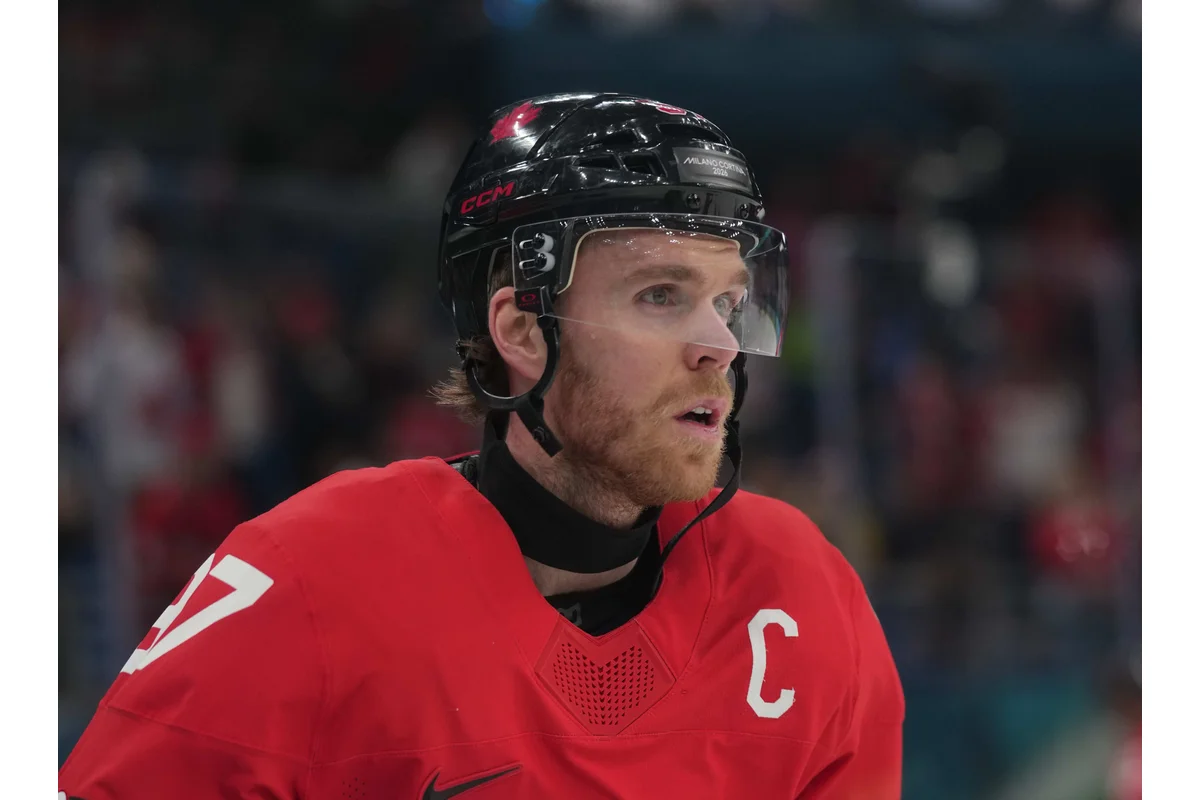
History shows numerous NHL players who faced injuries after Olympic duty, underlining the risks involved in balancing commitments between national pride and professional play.
Notable NHL Players Injured During the Olympics
McDavid’s situation is not unique; several prominent NHL players have suffered significant injuries while representing their countries in Olympic tournaments, sometimes to the detriment of both their personal careers and their NHL teams.
John Tavares’ 2014 Olympic Setback
John Tavares was in outstanding form at the 2014 Sochi Olympics, ranking third in NHL scoring with 66 points in 59 games before tearing his MCL in a match against Latvia. This injury sidelined him for the rest of the NHL season, impacting his momentum and possibly costing personal achievements. Meanwhile, other stars like Henrik Zetterberg and Mats Zuccarello also faced Olympic injuries, forcing Team Canada to rely on replacements such as Derek Roy and Maxim Noreau for the 2018 Olympics.
Joe Sakic’s 1998 Olympic Injury
Joe Sakic tore his MCL during the 1998 Nagano Olympics, the first games where NHL players were allowed to participate. Following the injury, the Colorado Avalanche’s second-half performance dropped sharply, moving from third in the league to 21st. Though they made the playoffs and lost in the first round, the team’s struggles underscored how Olympic injuries can affect NHL clubs. Patrick Roy, reacting to the Avalanche’s post-Olympic decline, opted out of the 2002 Olympics, sacrificing a chance at a gold medal.
Dominik Hasek’s 2006 Injury and Its Consequences
Dominik Hasek, then with the Ottawa Senators, suffered a devastating injury during the 2006 Turin Olympics’ opening game, ending his season prematurely. Hasek had been delivering outstanding performance stats, making him a Vezina Trophy frontrunner. Despite a strong supporting lineup featuring Daniel Alfredsson, Dany Heatley, and Jason Spezza, the Senators’ playoff run was cut short. Given Hasek’s impact on game outcomes, his absence was deeply felt, with some speculating it affected Team Canada’s broader success.
Prospects for McDavid and the Edmonton Oilers Post-Olympics
The Olympics undoubtedly drain players physically and mentally, yet McDavid has returned with vigor, scoring two points in his first post-Olympic game against the Ducks and matching that against the Kings in a dominant 8–1 win. His ability to maintain high performance despite exhaustion is impressive but raises concerns about sustainable exertion levels throughout the grueling NHL season.
While McDavid may be one of the few capable of sustaining an intense workload—possibly delivering 110% through the regular season and even higher in the playoffs—there is an inherent risk of overextending his body. This could result in injuries or burnout as the season progresses, jeopardizing both his health and the Oilers’ success.
Unlike many players who enjoyed an extended Olympic break, McDavid has been competing continuously and pushing his physical limits. This nonstop intensity could lead to injury or chronic fatigue during critical late-season games or the playoffs.
Pressure from Team Dynamics and Playoff Races
McDavid faces additional pressure from the Oilers’ precarious playoff positioning. Edmonton was barely two points above teams on the cusp of exclusion, making it difficult to justify his absence during crucial matchups, especially in a highly competitive Pacific Division. The ongoing California road trip includes vital games against division rivals, with two teams challenging Edmonton’s playoff standing.
Given this context, McDavid’s presence on the ice is essential from a strategic standpoint, yet the long-term risks of pushing too hard remain worrisome. While he was unlikely to miss these important encounters, fans and analysts alike hope his workload does not catch up with him in adverse ways down the stretch.
Looking Ahead: Balance Between Dedication and Recovery
The history of NHL players suffering injuries during Olympic competition underscores the physical dangers faced by athletes like Connor McDavid. His extraordinary ability to perform through exhaustion is clear, yet sustainable success requires careful management of rest and recovery.
As the 2026 Olympics approach, questions about whether McDavid should pause to recuperate afterward take on added significance. Balancing his commitment to national and club teams will be critical to preserving his health, prolonging his career, and ensuring he can continue to be a dominant force in the NHL for years to come.
