
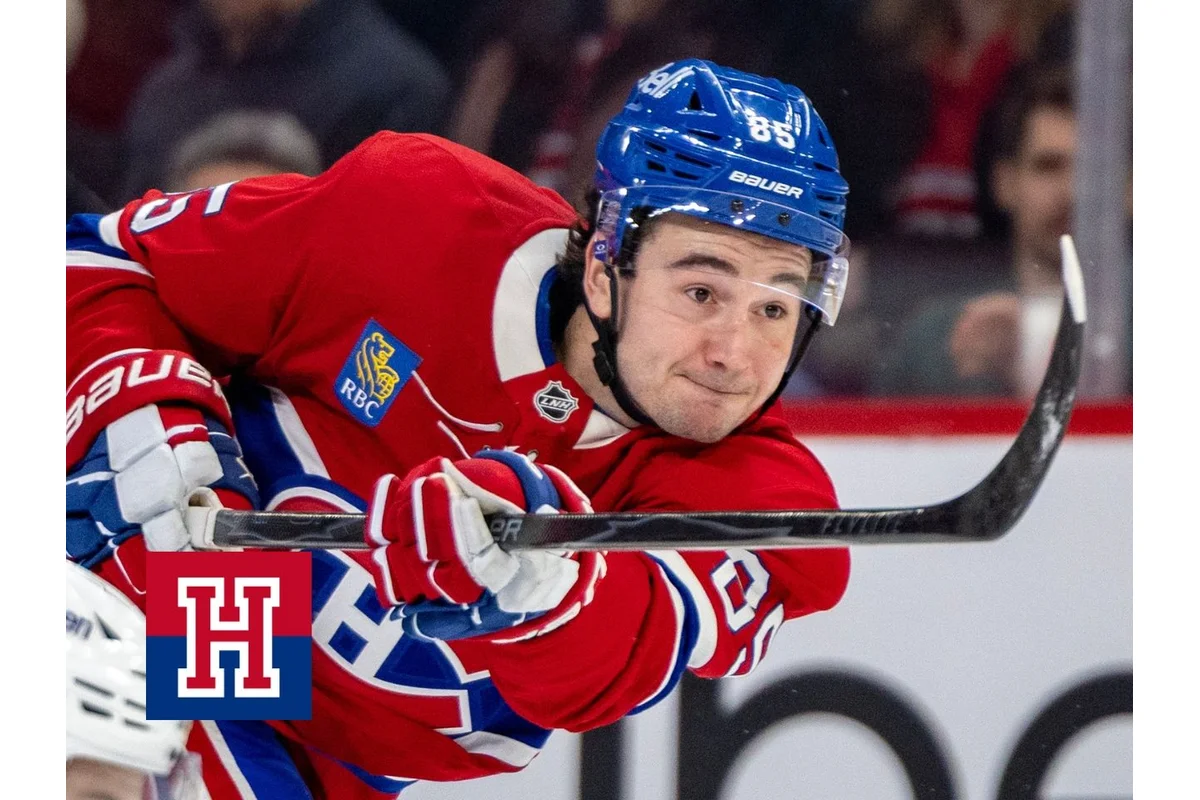
In the midst of a challenging season marked by multiple injuries, the Montreal Canadiens sought to fill gaps in their forward lineup. Alexandre Texier, recently released by the St. Louis Blues, joined Montreal on a short-term deal and quickly made an impact. His versatility and energy helped stabilize a depleted roster, prompting the Canadiens to secure him with a two-year contract extension in January. At that point, the team’s need for reliable contributors and Texier’s potential growth justified the commitment.
Improved Team Health Narrows Texier’s Role
After the Olympic break, the Canadiens’ injury issues eased, restoring depth and reducing openings on the roster. With key players returning and competition for ice time intensifying, Texier struggled to maintain a regular spot, appearing in only one of the last five games. Younger forwards like Alex Newhook and seasoned veterans have taken priority, reflecting a shift in team strategy now that the Canadiens’ lineup is healthier and more stable.
Evaluating the Timing of the Extension
While Texier’s $2.5 million annual salary aligns with current NHL norms without overly straining Montreal’s salary cap, the circumstances at the time of signing differed greatly from the present. The question arises whether the Canadiens acted prematurely in extending his contract amid a temporary surge in playing time driven by injuries. Patience might have provided a clearer understanding of Texier’s fit once the roster was at full strength.
Still, it is too soon to deem the extension a misstep. The NHL season continually evolves with shifting roles due to injuries, trades, and player development. Texier’s lack of recent ice time does not preclude future opportunities, especially since the Canadiens’ roster may change through trades or internal adjustments this offseason.
The Broader Implications for Montreal’s Team Culture
Montreal’s decision to reward Texier for stepping up during a difficult stretch signals the organization’s emphasis on loyalty and recognizing contributors during challenging moments. This approach can foster a positive environment in the locker room, reinforcing trust between players and management. However, the timing also highlights the difficulty of balancing immediate roster needs with longer-term team planning amid a turbulent season.
