
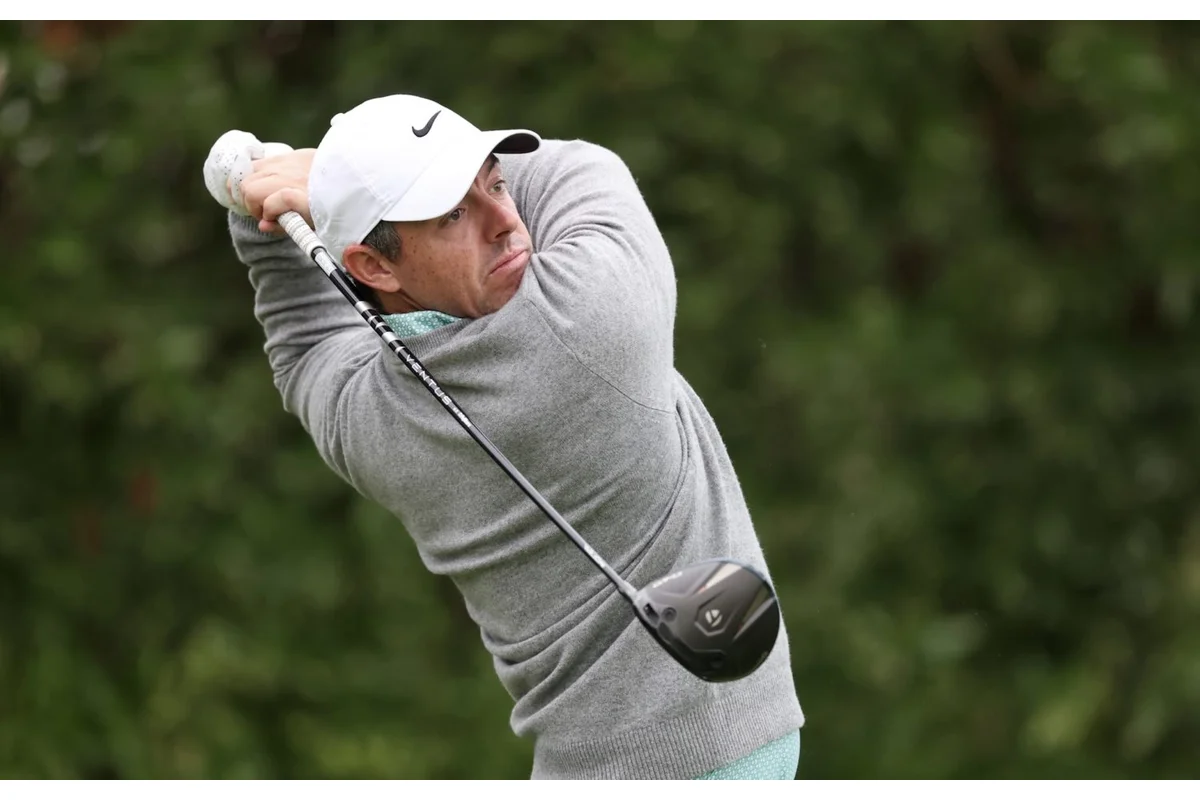
Rory McIlroy has firmly stated that The Players Championship does not require recognition as a major title, a position that has sparked tension within the PGA Tour. This debate, longstanding among golf circles, intensified recently as the PGA Tour pushed to elevate The Players Championship’s status beyond its current standing at the TPC Sawgrass.
The Players Championship has often been discussed regarding its importance, yet many accept it as a premier event rather than a major. Earlier this month, the PGA Tour attempted to strengthen its position by branding the tournament in a way that suggested it phasing into major status, a move that McIlroy and others questioned publicly.
Brandel Chamblee’s Bold Claim on The Players Championship
Golf analyst Brandel Chamblee offered a strong endorsement of The Players Championship, describing it as surpassing even the traditional four major championships. His declaration stirred controversy and attracted mixed responses among players and fans alike.
“In every single way that a metric could be used to measure whether something is a major, the Players, to me, stands alone and above all the other four major championships as not just a major. It is in my estimation, the best major.“
— Brandel Chamblee, Golf Analyst
This perspective contrasts with the conventional hierarchy of golf’s major tournaments and contradicts the views of some leading players, including McIlroy.
McIlroy’s Opposition Provokes PGA Tour Frustration
Speaking before the AT&T Pebble Beach Pro-Am, McIlroy rejected the notion that The Players Championship should be counted among the majors. His stance, shared during a Golf Channel Podcast interview by commentator Ryan Lavner, highlights skepticism about the PGA Tour’s effort to artificially elevate the event’s status.
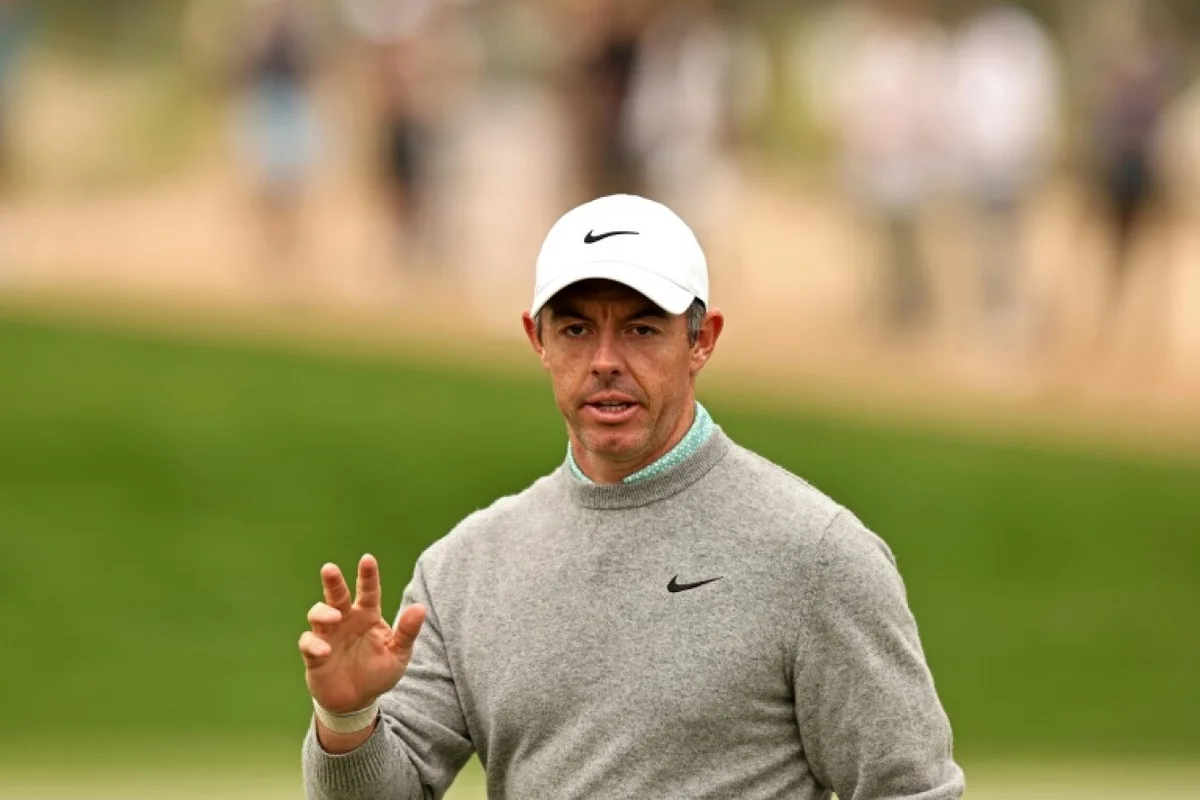
Lavner expressed doubts about the legitimacy of declaring a new major without a governing authority’s approval and hinted at potential consequences for the campaign’s reception among players.
“Everyone, in my opinion, should be viewing this campaign very sceptically of why this year are we declaring it a major when last year it was not? The PGA Tour does not have the authority to make it one because no one does,”
— Ryan Lavner, Golf Channel Podcaster
Lavner also compared the effort to what he called “major-washing,” likening it to attempts by LIV Golf to reshape perceptions of the sport, suggesting the campaign relies heavily on media promotion to manufacture consensus rather than authentic recognition.
He further emphasized the significance of McIlroy’s dissent, noting that as the defending champion and one of golf’s top players, McIlroy’s refusal to endorse The Players as a major represents a major setback for the PGA Tour’s ambitions.
“I think that was an astonishing admission, and if you’re PGA Tour HQ, that’s a full facepalm moment like, ‘we have some serious work to do if at worst our second most important player feels this way’.”
— Ryan Lavner, Golf Channel Podcaster
Shared Views Between Rory McIlroy and Phil Mickelson on The Players
Although Rory McIlroy and Phil Mickelson have often found themselves on opposing sides of recent golf controversies, particularly due to Mickelson’s involvement with LIV Golf, they seem aligned in their views about The Players Championship’s status. Mickelson also dismissed claims that The Players should be elevated to major status.
Both have won at TPC Sawgrass, making their skepticism about the event’s newfound major status noteworthy. This consensus among two of golf’s most prominent figures indicates that the traditional majors—the Masters, The Open Championship, the PGA Championship, and the U.S. Open—still hold unrivaled prestige in the eyes of many players and fans.
Despite the PGA Tour’s flagship event drawing significant attention, attempts to reposition The Players Championship as a fifth major are unlikely to sway the broader golf community without widespread support from players and spectators.
The Future of The Players Championship’s Status in Golf
The attempts by the PGA Tour to market The Players Championship as equivalent to golf’s established majors face formidable opposition from influential players like Rory McIlroy and Phil Mickelson. This tension underscores ongoing debates about tradition, authority, and the values that define what tournaments merit major status.
As this discussion develops, it will be important to watch how players, media, and fans collectively respond to these campaigns. The PGA Tour may need to reconsider its approach or engage more directly with stakeholders to build genuine consensus rather than relying on promotional tactics.
For now, The Players Championship remains a celebrated, high-profile event without the official major designation, highlighting the complexities involved in altering such a deeply entrenched structure in professional golf.
