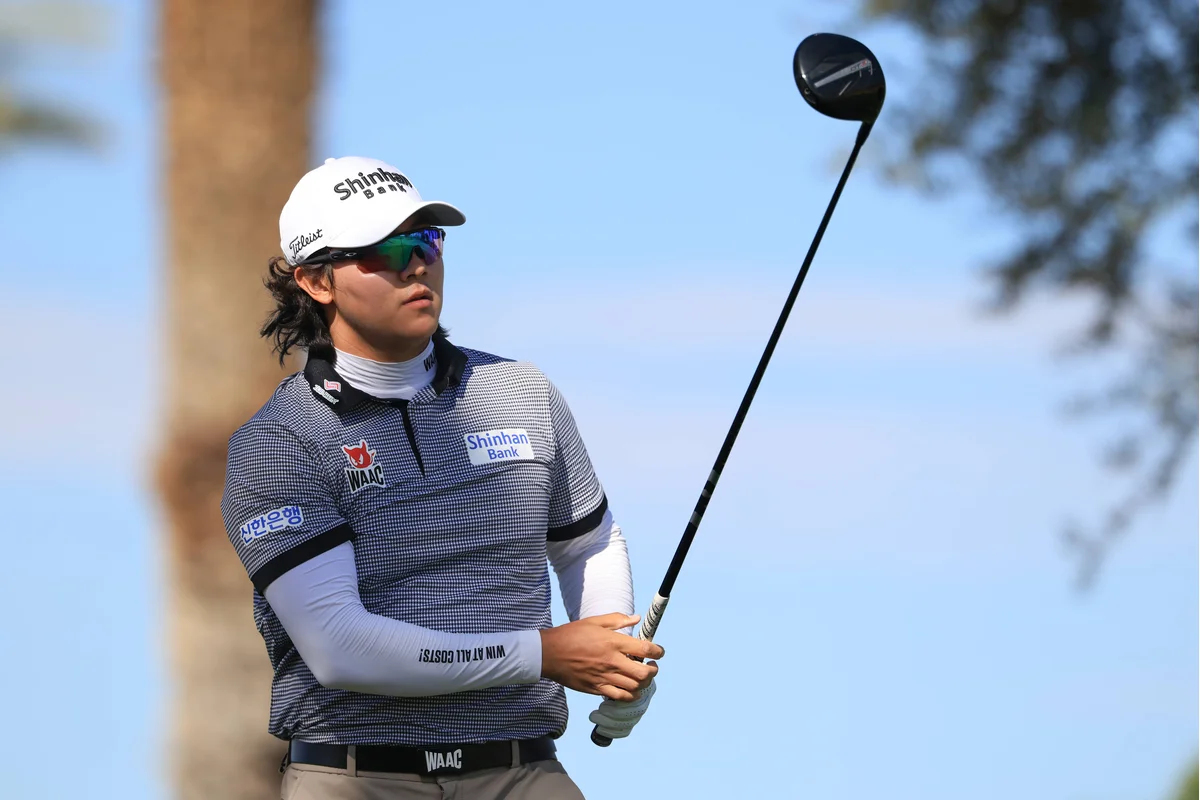
Billy Horschel urges PGA Tour control over course defense setup. [Image Source: CLOUDINARY]
Professional golfer Billy Horschel has publicly defended the PGA Tour amidst widespread criticism about the increasingly easier course setup at PGA National’s Champion Course in Florida. As players and fans express frustration over unusually low scoring and diminished course challenges, Horschel explained on February 26, 2026, that the Tour lacks authority over the course conditions due to ownership decisions. The dispute centers around the overseeding practices implemented by the private owners, which have softened the course and lowered difficulty, much to the displeasure of competitors who expect a tougher test of skill.
Changes in Course Difficulty Spark Debate Among Players and Fans
The difficulty of the Champion Course, famously nicknamed the Bear Trap, has lessened dramatically in recent years. From 2006 to 2023, only 11 golfers finished a tournament at 10-under-par or better, and Sungjae Im’s winning score in 2020 was a modest 6-under-par. However, the 2024 season saw a wave of lower scores, with 38 players reaching double digits under par, and in 2025 Jake Knapp set a record with a 12-under 59 round — only the 15th sub-60 round in PGA Tour history. These figures illustrate a significant shift in campaign competitiveness, leading to criticism from fans and pros alike.
The root cause lies in overseeding practices by the course owners to maintain a lush, visually appealing green for guests and members, which compromises the course’s playability during tournament weeks. Billy Horschel clarified this point in a statement on social media, saying,
Image of: Billy Horschel
“Unfortunately, not the Tour’s fault. Owners of PGA National do it. Tour has tried to state why it shouldn’t be overseeded, but at the end of the day, it’s out of their hands,”
and stressed the need for the Tour to gain control over all course setups going forward:
“One thing going forward that we need to do is make sure we have complete control of the setup of all Tour courses.”
Ownership and Operational Control Restrict Tour’s Influence
The limitations on the PGA Tour’s control stem from the ownership structure of most tournament venues. PGA National changed hands in 2025, sold to a private equity and hospitality group comprised of Henderson Park, the Salamander Collection, and South Street Partners. The new owners prioritize course aesthetics and guest experience outside of tournament play, opting for overseeding with ryegrass that creates a soft, slow playing surface during events.
Unlike fully owned Tour properties, many TPC courses operate under licensing arrangements with private or resort owners, limiting the PGA Tour’s influence over course management. Only about 35% of TPC courses, including notable venues such as TPC Sawgrass and TPC Boston, are fully controlled by the Tour, while the rest function under agreements that sometimes conflict with competitive conditions demanded by players and fans.
Player Reactions Highlight Growing Frustration
Players have openly voiced their disappointment with the course changes. Daniel Berger, who shot a bogey-free 63 to start the previous year’s Cognizant Classic but finished four shots behind, remarked,
“I thought I played well, but then someone shot 59. Clearly, the course was not the old Bear Trap that we’re used to.”
Jack Nicklaus, who designed the Bear Trap to be notably challenging, has also emphasized that course difficulty is essential for preserving golf’s competitive spirit.
Other professionals, including Joel Dahmen and Michael S. Kim, have lamented the softer course conditions, expressing nostalgia for the tougher test the Bear Trap once provided. Despite the overseeding issues, Horschel pointed out some efforts to bring back difficulty to the course, noting,
“At least this year, the rough is longer than it has been the last couple of years. A little more penal for missing fairways,”
referencing the rough increasing from 2.5 inches in 2024 to 3 inches in 2025 to add some challenge for players.
Field Quality and Scheduling Challenges Impact Tournament Standing
Beyond course conditions, the Cognizant Classic has encountered difficulties maintaining a strong field. High-profile withdrawals including Adam Scott, Jacob Bridgeman, and Ben Griffin have thinned the tournament’s roster, leaving Ryan Gerard, currently ranked 26th, as the highest-ranked participant. This marks the first time the event has lacked any top ten players. The tournament’s scheduling between the Genesis Invitational and upcoming major events like the API 2026 at Bay Hill and The Players Championship forces many players to skip the Cognizant Classic to avoid a grueling stretch of consecutive weeks on tour.
This scheduling predicament has provoked disappointment among players who value the event but must prioritize rest and peak performance. Justin Thomas described the situation as
“a bummer. It’s one of those events that has fallen at an unfortunate time in the schedule,”
explaining that while the abundance of quality courses is a positive for the PGA Tour, the timing pressures players to be selective about which tournaments to enter:
“I think it’s both a great thing and a bad thing about our schedule: the number of great golf courses that we go to. It’s a great problem to have, but it is; it’s just one of those things, the way that guys need to play certain events or feel like they give themselves the best opportunity to win and make as many points as possible. It’s just kind of where it falls, kind of thing.”
Implications for the PGA Tour and Future Tournament Control
The ongoing controversy surrounding the PGA National course and the diminished quality of play at the Cognizant Classic illustrate broader tensions between player expectations, course owners’ desires, and the PGA Tour’s authority. Billy Horschel’s insistence that the Tour must secure full control over course setups signals a potential push towards standardizing playing conditions to better uphold the sport’s competitive integrity.
If left unresolved, soft courses and scheduling conflicts may continue to erode the stature of important mid-tier tournaments, further impacting player participation and fan engagement. The PGA Tour faces a critical challenge balancing the needs of private course owners and the demand for a rigorous, exciting golfing experience for both players and audiences.
Looking ahead, efforts to revise course management policies and examine the Tour’s influence over venues will likely shape how tournaments like the Cognizant Classic maintain relevance and competitive allure in the evolving golf calendar.
Unfortunately, not the Tour’s fault. Owners of PGA National do it. Tour have tried to state why it shouldn’t be overseeded but end of the day it’s out of their hands. 1 thing going forward that we need to do is make sure we have complete control of the setup of all Tour courses.