
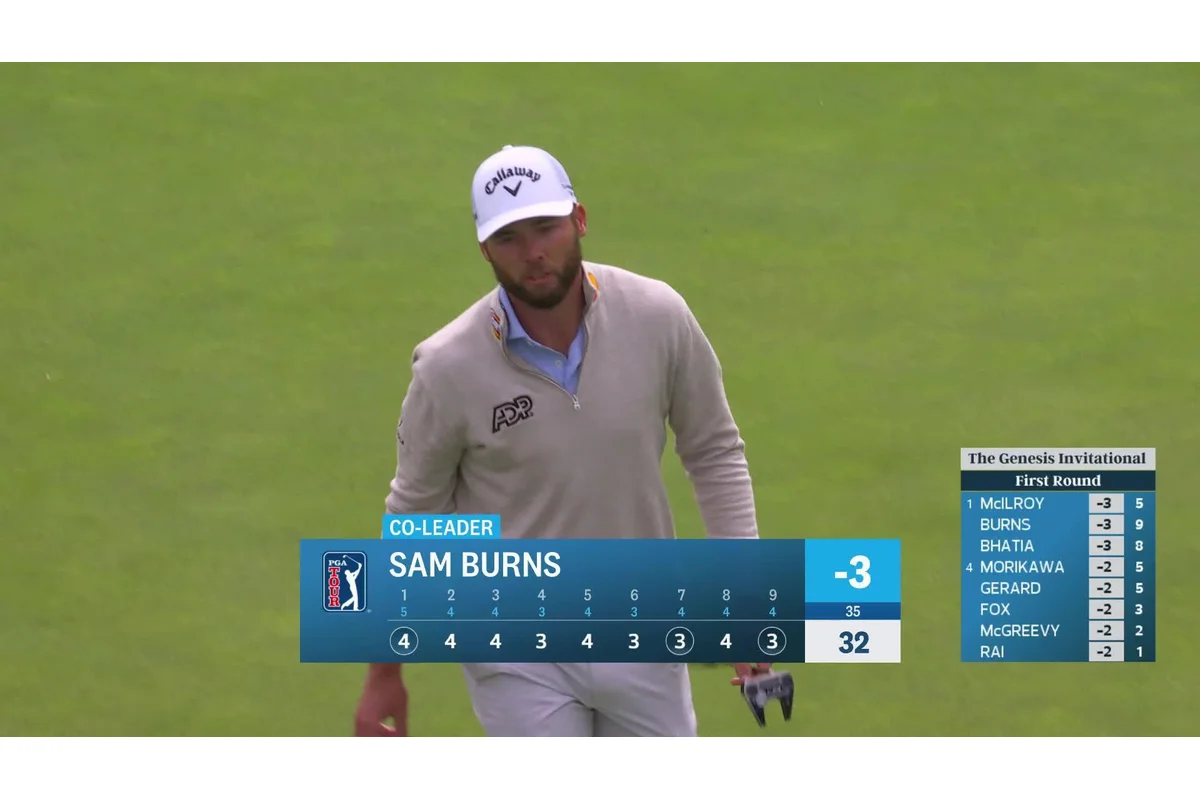
Sam Burns has emerged as the standout player on the PGA Tour for putting performance in 2025, topping the Strokes Gained: Putting statistic with a remarkable 0.983 gain. His consistent excellence on the greens during the season sets him apart from his peers and provides key lessons for golfers seeking improvement in their own putting game.
In addition to leading in strokes gained, Burns ranks fourth in Putts Per Round at 27.96, eighth in One-Putt Percentage at 43.32%, and third in Three-Putt Avoidance at a low 1.60%. These rankings reflect his steady and controlled approach to putting, which has helped him maintain top-tier performance week after week.
Why Prioritizing Speed Control Sets Burns Apart
Burns identifies himself as a “dead-weight” putter, especially effective on fast greens because he focuses more on speed than force. He avoids hitting putts too hard, aiming instead for a controlled pace that allows the ball to roll gently into the cup rather than crashing through it. This approach contrasts sharply with many amateur golfers, who often worry excessively about reading breaks and slopes, sometimes at the cost of controlling speed.
Amateur players frequently analyze green breaks from multiple angles and then tend to push their putts too far past the hole. Burns’ success highlights how crucial speed control is to improving one-putt percentages and minimizing three-putts. For those aiming to enhance their putting in 2025, shifting focus toward managing speed over obsessing about the break could yield significant results.
Maintaining a Simple and Consistent Putting Stroke
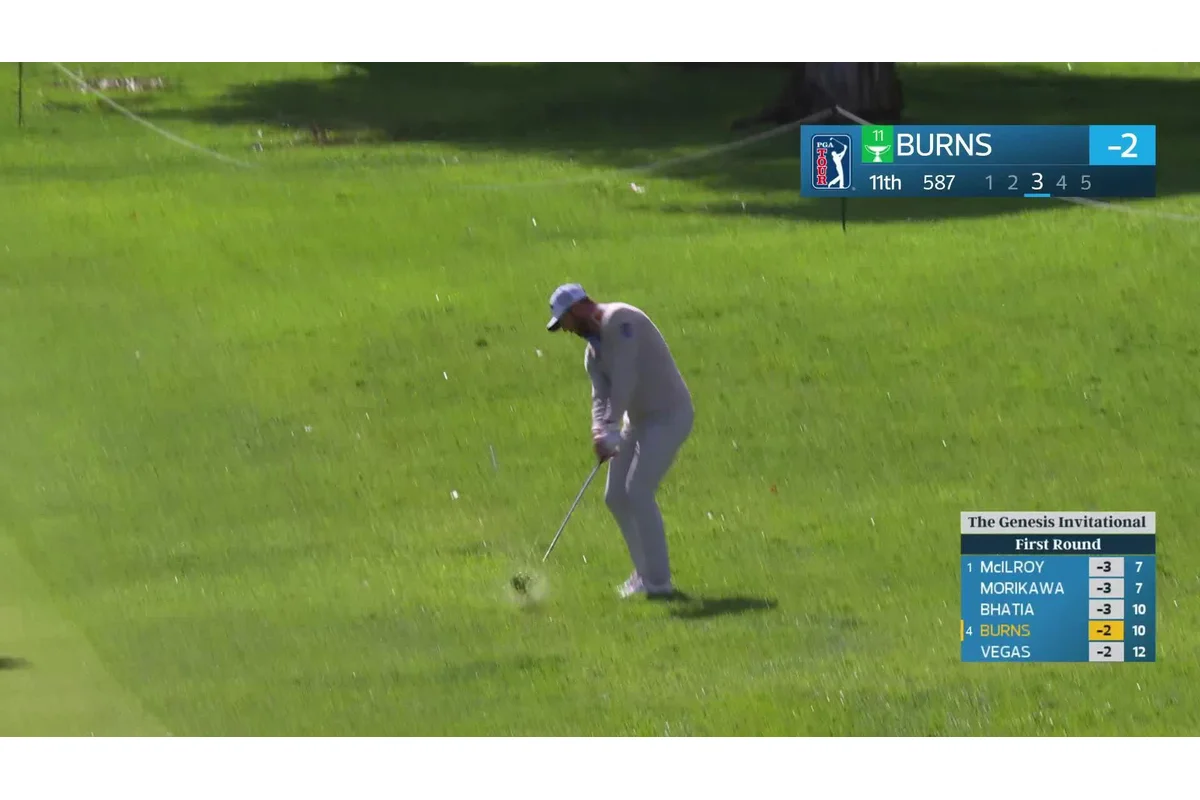
Observing Burns’ putting stroke reveals a straightforward and reliable motion, marked by minimal movement and consistent rhythm. His head remains steady throughout the stroke, and his tempo is even on both backswing and follow-through. Wrist action is notably limited, and he avoids any visible “hit” at impact.
Burns practices by rolling 50 to 100 putts along a chalk line, which helps him ensure that the ball consistently starts on his intended line. For amateur golfers, inconsistent putter face alignment at impact often leads to missed short putts, usually because of improper hand action. By focusing on reducing wrist movement and striking the ball with a smooth stroke on a set line, players can improve their accuracy and consistency.
Balancing Structured Practice with Intuitive Putting on the Course
One of the most important insights from Burns’ approach is that while he practices diligently with structure, he relies on feel and judgement during actual play. As an AimPoint practitioner, he understands slope and green reading well, but he doesn’t rigidly follow calculated numbers if his instincts suggest otherwise.
Burns implements a simple focus cue when putting: he identifies a specific start spot a few inches in front of the ball and aims to roll the ball over that point consistently. This straightforward, repeatable method helps reduce overthinking during competitive rounds and can help amateurs develop a reliable routine.
Applying Burns’ Insights to Your Putting Routine in 2025
When Burns shared his putting strategies alongside the Bryan Brothers, a few clear points emerged: becoming great at putting requires patience and consistent focus on fundamentals such as speed control and start line accuracy. These basics form the foundation for improved results on the greens.
Amateur golfers can benefit by practicing with clear structure and target spots, minimizing wrist involvement, and not getting overwhelmed by break readings. Emphasizing these elements can help golfers raise their putting game similar to how Burns has excelled on the PGA Tour in 2025.


