

In early 2026, professional pickleball players are rapidly changing their paddle brands, influenced by more than just sponsorship deals. This shift stems from contract expiration dates, evolving certification requirements, and the distinct needs of pros compared to recreational players. Zane Navratil, a pro pickleball player and content creator, explains how these various factors are reshaping the paddle choices on tour.
January Marks the Annual Surge in Paddle Sponsor Announcements
Each year, the end of December signals the close of most player contracts, making January the prime time for revealing new sponsorships. However, players usually continue using paddles from the previous season during these announcements. New paddle models generally drop in spring, aligning with the peak pickleball season, followed by summer updates like re-skins and color changes. Fall is reserved for brands submitting prototypes for certification testing, which delays new paddle availability relative to sponsorship reveals.
Major Brands Cut Back as Certification Costs Soar
The pro pickleball market is witnessing a significant retreat from well-known brands. Companies such as Head, Versix, Bablot, Lotto, Onix, and Selkirk have either exited the professional scene entirely or drastically reduced their sponsored players. Navratil attributes this exodus primarily to the new UPAA certification standards, which can cost brands over $60,000 annually. This is a sharp increase compared to the $4,500 lifetime fee for USAP approval. Such a steep financial barrier is forcing many companies to reconsider their involvement at the pro level.
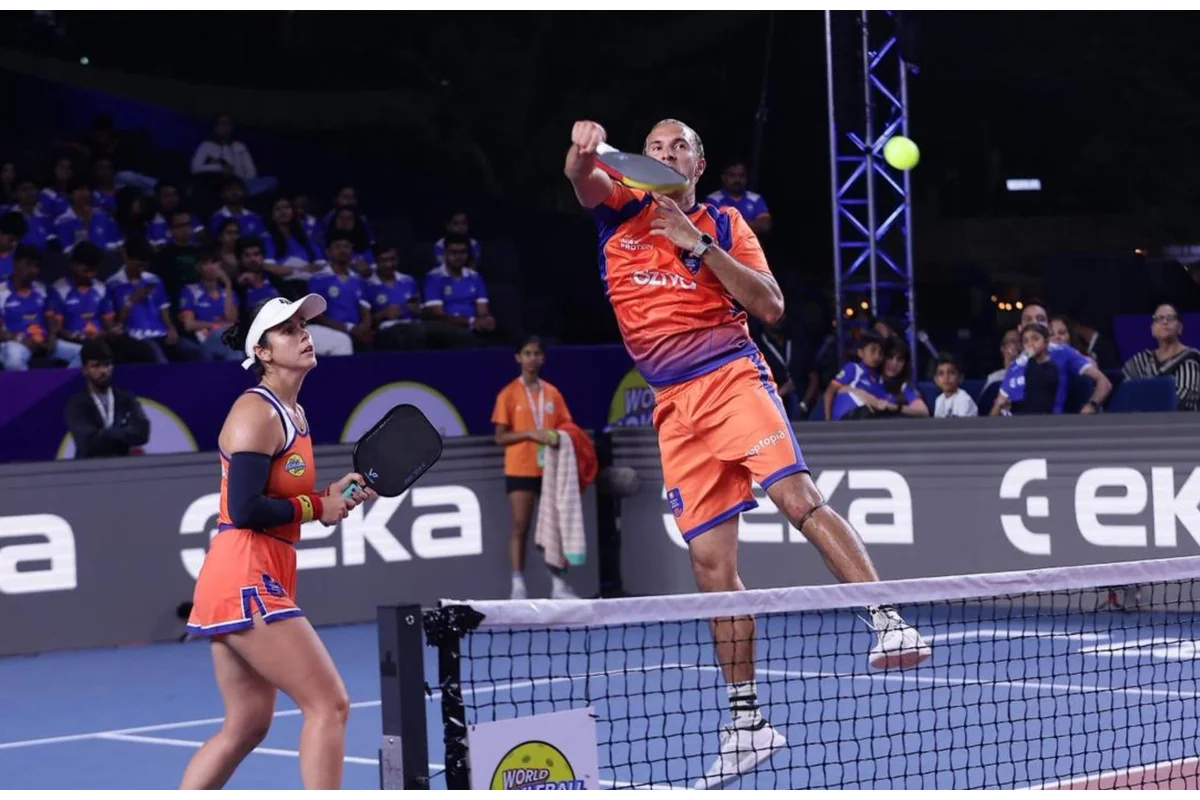
High-Profile Player Transfers and Emerging Brands Shake Up the Scene
The player sponsorship landscape is marked by surprising moves this season. Anna Leigh Waters transitioned from Paddletek to Franklin in what Navratil estimates as an approximately $10 million contract. Gabe Tardio’s signing with Vietnamese paddle maker Facalos is notable as the most prominent U.S.-based player to join an Asian brand since Ben Johns partnered with JOOLA in 2021. Additionally, the market has welcomed new entrants like 11Six24, which signed Dekel Bar; Luzz, acquiring Chris Hayworth, Caitlyn Christian, and Roscoe Bellamy; and the return of Diadem to pro pickleball with Japanese star Yuta Funemizu.
Complex Factors Influence How Pros Pick Paddles
Contrary to popular belief, professional players do not simply select paddles based on the largest paycheck. According to Navratil, the decision involves multiple criteria. First and foremost, the paddle must meet UPA approval standards. Next, it must offer a high performance quality, ruling out any subpar options. Sponsorship investment certainly matters, but pros also weigh a company’s marketing strength, brand prestige, chances for signature paddle deals, royalties, and equity stakes. Contracts in pro pickleball range widely, from free equipment to the multimillion-dollar agreement signed by Waters.
Pro Player Preferences Differ Greatly from Amateur Needs
The priorities between pros and recreational players diverge considerably, explaining why paddles favored on the pro tour often contrast with those recommended for amateurs. Professionals focus on playability, even at the cost of paddle longevity, since a minor drop in performance can be critical at their level. Navratil recalls using over 100 paddles per year when playing for Franklin because consistency is key. Power and spin are vital, as pros consistently strike the paddle’s center, seeking maximum responsiveness in the sweet spot. They also favor paddles that achieve their peak “trampoline” effect quickly, despite potentially losing usability shortly thereafter. Additionally, strict adherence to certification rules is essential, as fines and prize forfeitures for illegal paddles pose major risks.
In contrast, amateur players require pallets with forgiving sweet spots and greater durability since they do not receive frequent free replacements. Control and reliability take precedence over the extreme playability sought by professionals.
Why Popular Reviewer Favorites Don’t Make It to the Professional Circuit
Many paddle brands highly praised by reviewers, including Bread and Butter, Vatic, Honolulu, and Ronbus, are absent from the pro tour. This is mainly because these paddles have USAP certification but lack UPA approval, which is mandatory for professional competition. Navratil questions why these companies do not invest in the $60,000 fee required for UPA certification if their products are truly high caliber. He suggests these brands might fear their paddles would underperform under pro scrutiny, opting to maintain a strong amateur reputation rather than risk professional exposure. The newcomer 11Six24 is a notable exception, having taken the leap into the pro space, but its eventual success remains uncertain.
Advice for Amateurs on Choosing the Right Paddle
For recreational players seeking guidance, Navratil offers practical advice. Spending under $100 on a paddle often leads to rapid frustration, but shelling out $300 or more isn’t necessary for most amateurs. Observing lower-level pros without sponsorships can be insightful, as these players select paddles they genuinely prefer rather than those they are paid to use. While many reviewers promote certain paddles enthusiastically, it’s important to remain cautious since affiliate marketing influences their recommendations.
Navratil recommends avoiding extremes—whether in paddle length, weight, power, or softness—since maximizing one feature typically compromises another. Above all, skill development far outweighs paddle choice; Navratil has defeated high-level players using basic equipment. Ultimately, personal feel and comfort with a paddle should guide selection more than hype or price.
Significance and Future Outlook for Pro Pickleball Paddle Trends
The professional pickleball paddle market in 2026 reflects broader tensions between commercial interests, regulatory changes, and player preferences. Rising certification costs are fragmenting the brand landscape and pushing innovation toward newcomers willing to take financial risks. For players, the gap between pro- and amateur-level paddle priorities continues to widen, underscoring the challenge of finding equipment that satisfies both camps equally. As the sport grows, these dynamics will likely shape new patterns in sponsorships, product development, and competitive play, with important implications for pickleballers at every level.

