
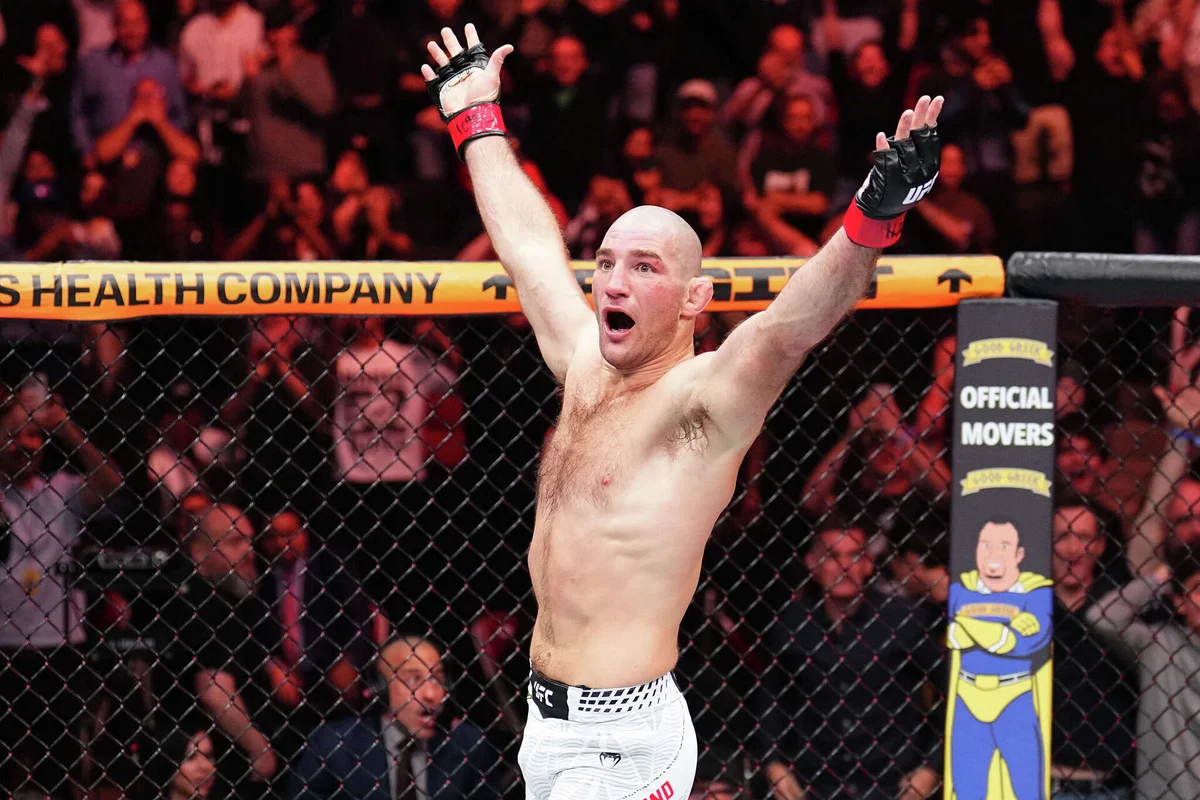
At a post-fight press conference in Houston following his aggressive third-round victory over Anthony Hernandez, Sean Strickland was abruptly cut off during a heated rant. Known as one of the UFC’s most outspoken fighters, Strickland’s usual freedom of speech was suddenly curtailed. This unexpected silence has sparked debate about the recent restrictions tied to UFC’s significant $7.7 billion broadcast deal with Paramount.
Strickland’s rant, which had been building momentum, was stopped mid-flow, leaving fans and observers perplexed about the sudden censorship during what is typically a no-holds-barred moment for fighters to speak freely after bouts.
Sean O’Malley Points to Paramount Broadcast Restrictions Behind Incident
Fellow UFC fighter Sean O’Malley shed light on the situation, attributing the mic cut to the promotion‘s deal with Paramount. Speaking on his YouTube channel, O’Malley explained how the UFC’s shift from pay-per-view events, which allowed fighters to speak without filters, to Paramount’s platform, demands more controlled language during broadcasts.
“He did get cut off on the post-fight interview. It’s crazy,”
Sean O’Malley said.
“I mean, they’re on Paramount. This is not a pay-per-view. On pay-per-views, we were able to say f—, say whatever we want. Pay-per-view, post-fight, whatever.”
O’Malley highlighted that while pay-per-view cards gave fighters the liberty to use uncensored language, Fight Nights on ESPN Plus already imposed stricter rules. Now, with UFC events airing on Paramount+, these constraints are even more pronounced regardless of the event’s status.
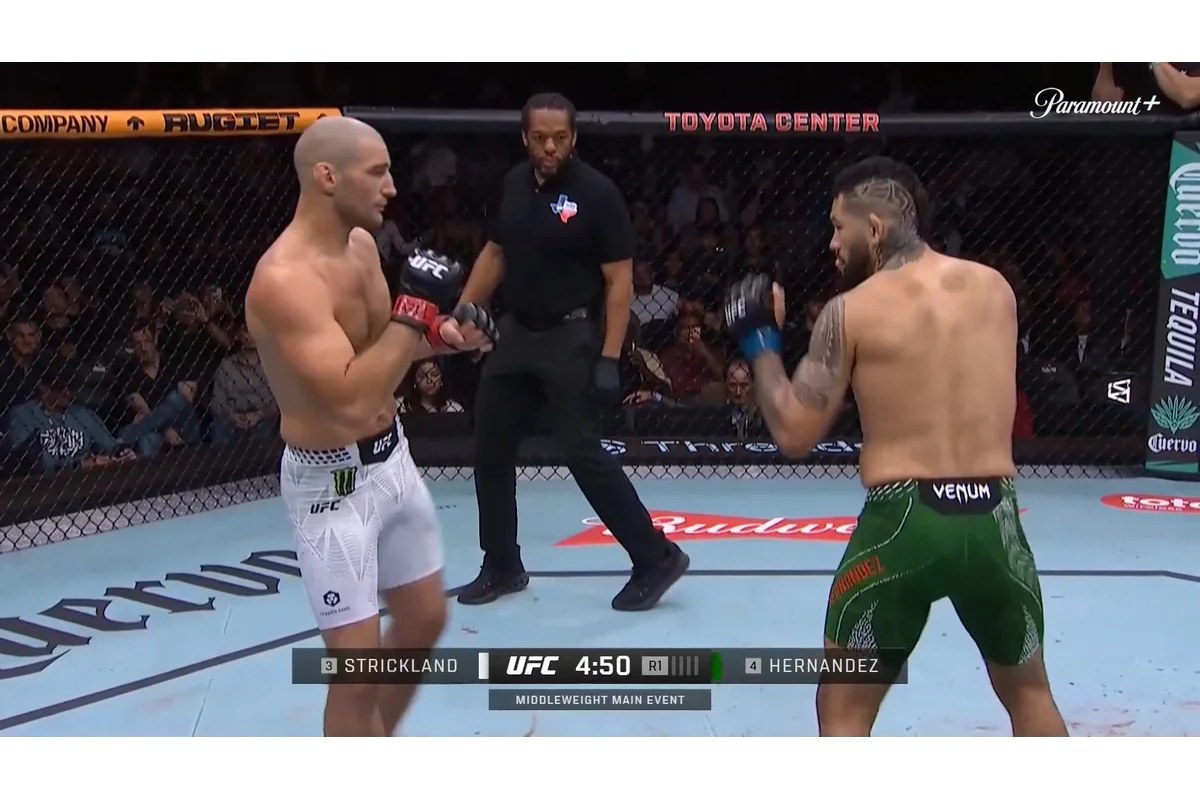
“But on the Fight Nights, it’s on ESPN Plus, so they’re like, ‘Hey, don’t cuss in your after-fight, blah, blah,’”
he added.
“This is on Paramount Plus. Like, this is a Fight Night. Even if it was a numbered event, we’re still on Paramount.”
O’Malley also suggested that while the UFC traditionally allowed fighters to voice their opinions openly, the lucrative nature of the Paramount deal forces the promotion to enforce tighter control over what is broadcast.
“I mean, UFC doesn’t really limit what we say,”
he said.
“They don’t say, ‘Hey, don’t say that, don’t say this. Paramount hasn’t. I mean, but $7.7 billion, UFC is probably like, ‘I want Strickland off the mic.’”
The Impact of a $7.7 Billion Broadcasting Agreement on Fighter Speech
The huge seven-year contract between UFC and Paramount increases the stakes for the promotion regarding public image and broadcast standards. While fighters like Sean Strickland remain fan favorites and title contenders, the corporate interests behind such a monumental broadcast deal have less tolerance for unpredictable or controversial remarks.
Even though Dana White publicly supports Strickland, the decision to cut off his microphone during the press conference reflects a stricter approach to managing the UFC’s messaging in a media environment tightly governed by contractual obligations with Paramount.
Strickland, whose mic was cut, continued speaking beyond the point that was aired, but the UFC effectively silenced the remainder of his comments to the wider television audience. This unprecedented control highlights the tension between free expression and corporate interests in a sport increasingly tied to major broadcasting agreements.
Dana White Blames the Media for Provoking Strickland’s Outbursts
In the aftermath, UFC President Dana White avoided placing the full blame on the organization’s decision to silence Strickland. Instead, he criticized the media for inviting provocative questions that pushed Strickland’s buttons during the press conference.
“It’s a nightmare, but (the media) doesn’t help,”
White said.
“Asking him dumb s—, ask dumb s— get dumb s—. ‘What do you think of Bad Bunny? What did you think of the Super Bowl?’ Get the f— out of here. You f—– kidding me? So yeah, when you talk about what Strickland says, you like to push the buttons.”
This reaction from White reflects his frustration with the press rather than conceding the mic cut was a corporate censorship move. Regardless, the fact remains that the broadcast feed was cut, signaling behind-the-scenes intervention possibly motivated by concerns about public relations, political implications, or branding under the Paramount deal.
Future Ramifications for UFC Fighters’ Public Speech and Broadcasting
This incident marks a significant moment in UFC’s evolving relationship with television and streaming platforms. The $7.7 billion Paramount agreement has introduced a new era where fighters’ public expressions may be closely monitored and regulated to align with corporate standards and avoid jeopardizing lucrative deals.
For athletes like Sean Strickland, this means less freedom to express themselves candidly in the post-fight spotlight, even as they build their personas and connect with fans. As the UFC continues to expand its media footprint, similar incidents may become more common, forcing fighters and management alike to navigate the delicate balance between authentic storytelling and commercial imperatives.
Moving forward, all eyes will be on how the UFC manages fighter speech during official media appearances and whether the promotion will adopt clearer guidelines to prevent future confrontations between candidness and corporate branding.
Sean O’Malley says the UFC is being careful with its $7.7B Paramount deal after Sean Strickland’s mic was cut.
"This is Paramount, not pay-per-view. On pay-per-view, we were able to say f***, we could say whatever we want. The fight nights were on ESPN+, so they're like, hey,… pic.twitter.com/wjFcFkzj9W
— Red Corner MMA (@RedCorner_MMA) February 24, 2026
