
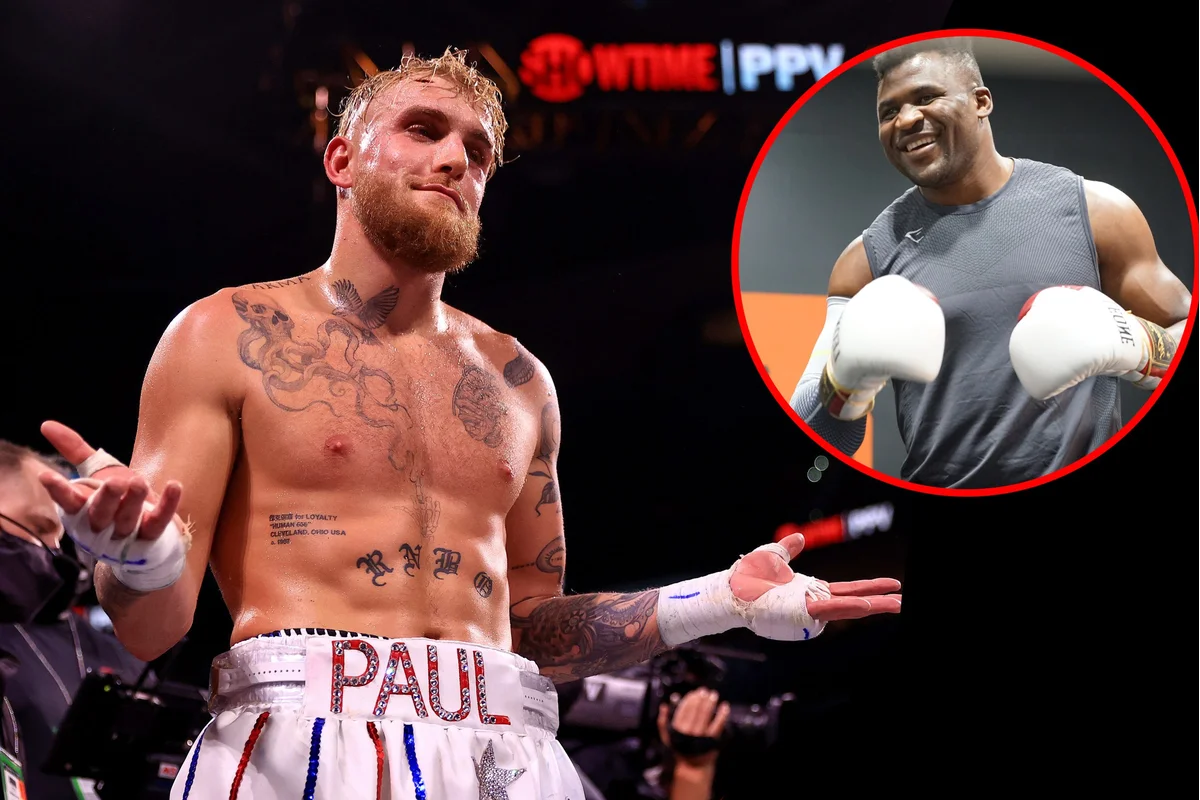
On Saturday night, CBS simulcast two hours of UFC 326, propelling the event to its strongest linear TV viewership in ten years with over 2.5 million viewers tuning in. This significant surge in audience reflects the impact of the UFC’s $7.7 billion media rights agreement with Paramount, which has allowed expansion onto mainstream broadcast platforms alongside streaming.
During the 8 to 10 p.m. ET window, CBS’s coverage of UFC 326 outperformed its typical Saturday prime-time ratings by 30% this TV season and exceeded the usual programming by more than double among adults aged 18-34 and 18-49. The two-hour simulcast included select fights from both the preliminaries and the main card, while Paramount+ streamed the entire event (streaming viewership data remains undisclosed).
The CBS broadcast added approximately 284% more viewers than the UFC’s average last year across ESPN’s linear networks, which stood at 661,000. Notably, the simulcast from 9 to 10 p.m. drew 2.81 million viewers on CBS, peaking at 3.21 million at its height.
Looking back, UFC programming on CBS peaked with just over 4 million viewers in 2008 during an EliteXC event headlined by Kimbo Slice, which aired exclusively on CBS. Another high-water mark occurred in 2009 with a Strikeforce event featuring Fedor Emelianenko versus Brett Rogers, attracting a similar audience size.

Ronda Rousey Criticizes UFC Ahead of Her Netflix Fight Against Gina Carano
At a press event in Inglewood outside the Intuit Dome, attention centered on the upcoming Ronda Rousey versus Gina Carano fight scheduled for May 16 on Netflix. However, Rousey took the opportunity to sharply criticize the UFC, especially its transition away from pay-per-view to a streaming-focused model under its $7.7 billion deal with Paramount. She argued this shift has diluted the UFC’s commitment to delivering competitive fights.
Once they moved into the streaming model, it’s just not about putting on the best fights possible anymore,
Rousey said, referencing the organization’s current media strategy.
She further condemned UFC’s actions regarding fighter treatment and criticized its business priorities following its public listing under TKO Group Holdings.
It used to be that UFC was the best place you could come in combat sports to make a living and be paid fairly. Now it’s one of the worst places to go, and it’s why so many of the top athletes are leaving to go find pay elsewhere,
Rousey stated.
Jake Paul, promoter behind the Netflix event through Most Valuable Promotions, echoed these sentiments and challenged UFC’s dominance.
MMA is in a weird position right now. It’s the wild west. We have a massive opportunity here to disrupt the whole space,
Paul said.
I believe the UFC is dying, and MVP is here to take over.
New Ticketing Companies Begin MLS Season with Innovative Approaches
The start of the 2026 Major League Soccer season marked a milestone for emerging ticketing providers, as companies like Tixr and Sports Illustrated Tickets are entering the primary sales market. Robert Davari, CEO of Tixr, described February 21 as a pivotal night managing operations for clients including the San Jose Earthquakes and Houston Dynamo, deploying substantial on-site staff at each stadium.
It was like Mission Impossible: MLS edition,
Davari joked, highlighting the intensity of the launch.
This trio of MLS teams embracing new ticketing platforms signals a growing readiness within the league to explore alternatives, especially amid ongoing legal scrutiny of dominant ticketing providers such as Live Nation.
Houston Dynamo’s Chief Revenue Officer Nicolò Zini emphasized the importance of appealing to younger, more disruptive fan bases, reflecting MLS’s image as a league open to innovation.
I think simply, first and foremost, audiences matter,
Zini said.
Our demos are generally younger across the board, right? Our franchises are generally younger than the other leagues and their clubs. So that gives you an organic and natural way of looking at things in a different way, where you are more disruptive, you are challenger brands, you want to be more innovative.
Sports Illustrated Tickets, already partnered with several NFL franchises, leveraged its brand power to secure Red Bull New York as a client. Red Bull New York’s Chief Commercial Officer Joe Stetson acknowledged the challenges inherent in evolving ticketing systems but expressed optimism.
If it was easy, everybody would be doing [ticketing],
Stetson said.
And it’s not an easy process, right? But once again, it’s a build as far as we’re seeing it. And we know that each event is going to get better as well.
Tixr’s decade-plus experience in fan engagement and ticketing was pivotal in its selection by the Earthquakes, and the provider has developed custom applications for both the Earthquakes and the Dynamo. These apps enhance customer experience with features like integrated ticket marketplaces and facilitate activities such as youth camp management, improving data collection and cross-selling opportunities.
Earthquakes Chief Strategy Officer Ian Anderson observed that initial concerns about fan adoption quickly diminished once the app’s ease of use was demonstrated.
Meanwhile, Sports Illustrated Tickets CEO David Lane highlighted the advantage of blockchain technology in personalizing fan communication and unifying digital experiences, signaling broader ambitions beyond ticket sales. Despite Ticketmaster and SeatGeek maintaining lead roles among MLS teams, the expansion of primary ticketing options points to a growing market openness to innovation.
We can compete now,
Lane said.
It’s a question of, ‘What else can we do?’ And I think there’s more we can do for the fans and for the team than anybody else in the space.
New Orleans Pelicans Provide Model for NBA Teams Navigating Post-Main Street Media Landscape
As 13 NBA franchises confront significant distribution decisions following the anticipated shutdown of Main Street Sports Group, the New Orleans Pelicans’ recent media restructuring offers valuable insights. Having parted ways with Main Street before last season, the Pelicans established the Gulf Coast Sports & Entertainment Network (GCSEN), shifting from a cable-heavy reach of 700,000 homes to a broadcast-oriented model extending across Louisiana, Mississippi, Alabama, and parts of Florida with access to approximately 10 million households.
This approach combined with a direct-to-consumer streaming service developed by Kiswe allows the Pelicans to maintain comprehensive local coverage.
Greg Bensel, Senior Vice President for communications and broadcasting at the Pelicans and Saints, confirmed that other NBA teams are consulting New Orleans on its strategy.
Yeah, they are. A few of them are,
Bensel said, adding that launching such locally focused media ventures demands hand-to-hand combat within regional markets.
The Pelicans’ choice to partner with Gray Media, which owns station WVUE-TV Fox 8 and multiple affiliates in nearby cities, helped expand their regional footprint to the size of Chicago’s market, bolstered further by a new DirecTV distribution deal.
Financially, the Pelicans moved from roughly $25 million to an estimated $6 million in annual media revenues after ending their Main Street agreement.
One challenge has been generating off-season content to fill airtime and maintain audience engagement. Initially, ratings were minimal with non-sports programming filling the schedule, but GCSEN gradually incorporated sustained live sports coverage and discussion shows featuring LSU, the Saints, Tulane football, and high school sports.
The first six months, eight months maybe for the first year — we were kind of just maybe a zero rating,
Bensel recalled.
We were building programming that was going to start at 8am [CT]. When you woke up, there was live programming talking about the Pelicans or talking about the Saints or talking about LSU, Tulane football. A talk show about [high school football] and live programming of high school sports would lead into and take you up to a Pelicans pregame.
These efforts have driven Nielsen ratings for Pelicans games up 100% year-over-year, with notable growth in Louisiana’s secondary markets and in neighboring states. Bensel highlighted the strong fan interest and accessibility as key drivers of this growth.
People are interested, and they’re watching and it’s because it’s accessible, it’s easy. People love live sports programming,
he said.
Looking ahead, the Pelicans are exploring expansions, such as securing sublicenses for Southeastern Conference baseball broadcasts or other Olympic sports, but nothing has been finalized yet.
All of that is on the table,
Bensel confirmed.
The NBA is also planning a national streaming service for local team broadcasts, discussions reportedly underway with Amazon, DAZN, ESPN, and YouTube TV, which could affect regional networks like GCSEN.
At the end of the day, the Gulf Coast Sports & Entertainment Network isn’t going to go anywhere,
Bensel stated.
Even if the NBA comes to us in a year and says, ‘Look, we’re taking all 30 teams and this is where you’re going to live, this is your fee, and you’ve got to be exclusive to this,’ I still think we still maintain our Gulf Coast network. It’s great for our brand and brand growth and merchandise and sales and everything else. So, we’re committed to this.
The Battery Atlanta Drives Braves’ Financial Stability Amid Media Uncertainties
The Atlanta Braves’ recent SEC filing highlighted the impressive growth of their mixed-use development, The Battery Atlanta, which contributed nearly 13.3% of franchise revenue in 2025, up from 10% the previous year. This development generated $97.4 million in revenue, reflecting a 45% year-over-year increase largely fueled by increased rent from new leases and the strategic acquisition of Pennant Park.
Braves CFO Jill Robinson detailed a $27 million rise in rent income and a $2 million increase in sponsorship revenue, alongside a proportional increase in related costs. Braves Development Company CEO Mike Plant described 2025 as a record year for tenant sales, totaling around $137 million across 30 locations.
We believe it ranks among the most successful mixed-use operations in the country,
Plant said.
The Battery’s tenant mix includes notable corporate headquarters such as Papa John’s International, Truist Securities, TK Elevator’s North American base, and Comcast’s regional hub, bringing consistent daytime activity and higher demand for premium office space.
Following the acquisition of Pennant Park, the Braves increased occupancy from below 80% to over 90%. The development continues to command premium rents with early lease extensions and new openings, including Walk On Sports Bistro and Shake Shack, with plans for J. Alexander’s to debut this year.
This robust mixed-use operation strengthens the Braves’ economic position as they prepare for potential declines in regional sports network (RSN) revenues. The team launched its in-house TV network, BravesVision, leveraging its media-savvy ownership history dating back to Ted Turner and tapping into its expansive multi-state fan base.
Despite recent dips in baseball attendance, The Battery hosted nearly 9 million visitors through 380 events in 2025, demonstrating its value as a diversified revenue stream supporting the franchise.
The Battery continues to expand its role as a meaningful contributor to our team and franchise value,
Plant emphasized during the investor call.
Financial and Regulatory Challenges Shape the Future of Sports Funding
Across the sports landscape, financial sustainability is under increasing pressure. Despite the Premier League generating approximately £6.3 billion in the 2023-24 season, grassroots sports struggle with growing operational costs and volunteer burnout. Sport England reports that half of sports volunteers face exhaustion, endangering the survival of community clubs that are vital to participation pathways.
Recent studies have found many UK clubs taking substantial financial risks, with some maintaining less than a month’s operating cash. The newly established Independent Football Regulator, empowered by the 2025 Football Governance Act, is enforcing tighter financial controls on leagues ranging from the Premier League to the National League, signaling a shift toward treating sports organizations as valuable national assets.
Similar financial oversight exists globally, with salary caps and breakeven rules applied in major leagues like the NFL, NBA, and UEFA competitions. Nevertheless, pressures remain acute throughout professional, collegiate, and amateur sports, including women’s athletics, which experiences commercial growth but still struggles with profitability.
Post-pandemic economic strains expose the fragile funding model for grassroots clubs run largely by volunteers with limited financial expertise. The resulting closures impact community cohesion, reducing role models and participation opportunities.
Advocates call for sports clubs to be recognized as essential social infrastructure akin to schools and public services, with regulatory frameworks promoting financial durability rather than mere survival.
How do we keep clubs alive?
is no longer enough; the conversation must evolve into
How do we make them durable?
Strict regulations targeting spending and investments could require large club owners to allocate resources more equitably across youth development and community programs, enhancing long-term health rather than focusing solely on top-tier success. Capping operational losses would compel investor discipline, favoring financially sound organizations over those relying heavily on owner subsidies.
Financial technology also offers transformative potential. The UK’s £100 billion sport and leisure economy currently lacks dedicated banking and financial infrastructure. Innovative fintech solutions can automate tasks like tax claims, procurement, and cash flow management, reducing administrative burdens and allowing clubs to focus on community impact.
Advanced systems incorporating artificial intelligence could provide timely financial alerts and planning tools for volunteer treasurers, enabling scalable improvements across thousands of organizations. Enhanced data tracking also satisfies regulatory requirements and aids strategic growth planning.
Collaboration between lawmakers, sports bodies, and fintech innovators is vital to unlock this opportunity. Fans and investors should demand transparent sustainability strategies beyond high-profile acquisitions and signings.
Studies by Sport England reveal that each £1 invested in community sport yields £4.38 in social value through healthier populations and reduced healthcare costs, underscoring the imperative to build resilient sports ecosystems.
Andrew Smith, founder and CEO of AI-driven banking platform Sporta, advocates for timely reforms to protect and strengthen the sports pyramid.
Industry Headlines and Updates
- Live Nation faces a requirement to terminate its preferred ticketing contract with Oak View Group within 30 days following an antitrust settlement approval by a U.S. District Court judge.
- Golf’s growth post-pandemic continues with record participation of 48.1 million players, both on and off the course.
- Jim Furyk, having garnered positive reviews as lead analyst for the Arnold Palmer Invitational broadcast on Golf Channel, is open to more broadcasting roles, including coverage of the Players Championship.
- Professional tennis player Nick Kyrgios continues expanding into pickleball through a partnership with club operator The Picklr as a sponsor and investor.
- NASCAR-IndyCar combined desert race weekends successfully attracted significant attention and viewership.
- Unrivaled’s championship game ranked as its third-highest viewing, reaching 314,000 average viewers on TNT/truTV.
- The Fanatics Flag Football Classic confirmed participation from notable NFL players including Ashton Jeanty, DeVonta Smith, and Alvin Kamara.
- Apple TV’s F1 season opener saw a tripling in Android downloads, though viewership figures for the event remain undisclosed.
- The NBA canceled the Hawks’ “Magic City Night” promotion following objections from stakeholders and players due to its association with an Atlanta strip club.
- AI sports podcast startup Vokol secured the United Football League as its most prominent client, offering automated audio content creation across all eight UFL markets.
