
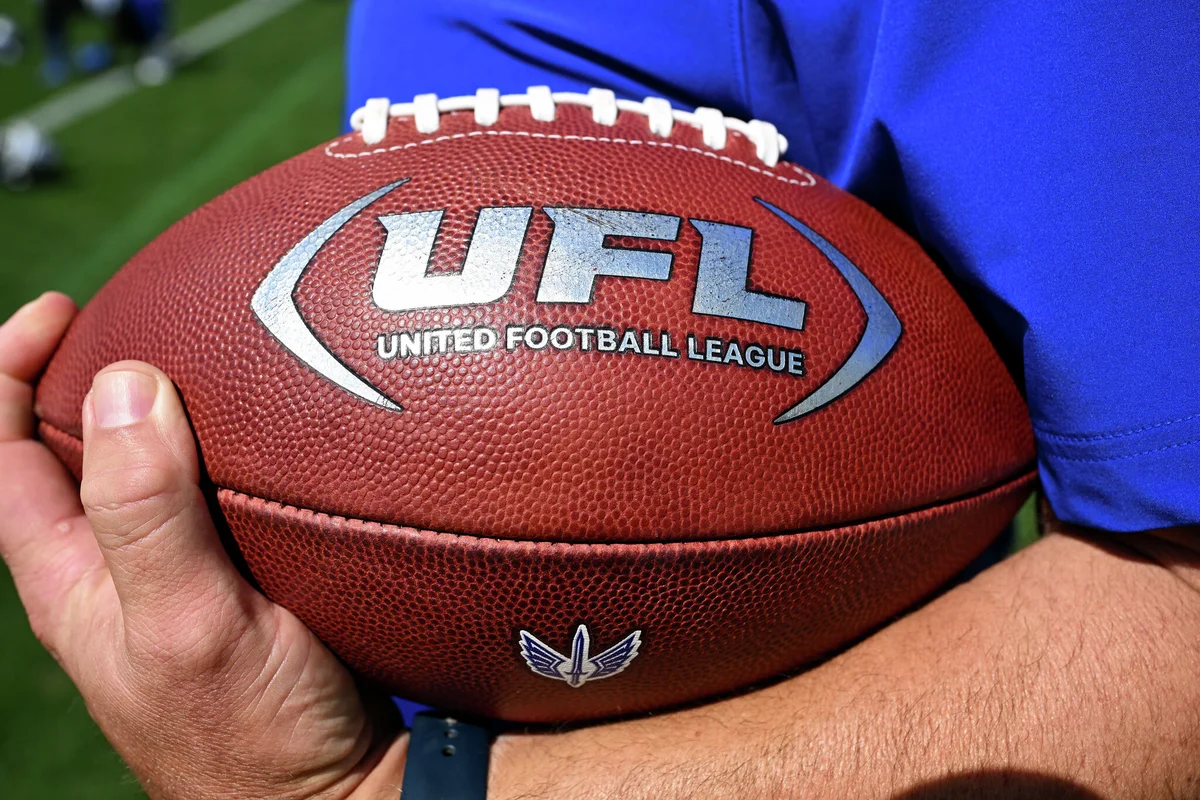
The United Football League (UFL) has implemented a significant rule change for the 2026 season, making field goals of 60 yards or longer worth four points instead of the traditional three. This adjustment aims to increase excitement and strategic diversity in UFL football new rules, encouraging teams to attempt longer field goals and redefine scoring dynamics.
Details and Context of the Rule Modification
Under the new regulation, kickers who successfully convert a field goal from 60 yards or more will earn an additional point. This change is designed to reward exceptional kicking performances and add a new layer to game strategy. Such an incentive could alter both playcalling and how defenses approach close-game situations. Previously, all field goals, regardless of distance, were uniformly awarded three points.
The UFL, known for experimenting with innovative gameplay, is joining other leagues adapting rules to boost fan engagement and competitive excitement. Supporting this approach, the league also embraces other tweaks that impact overall pacing and strategic choices on the field.
Implications for Teams and Fans Across Major Cities
Fans in cities such as Miami, New York, Boston, Philadelphia, and Chicago will witness firsthand how this rule influences team tactics and kicker utilization. The added value of distance kicks could change how coaches manage late-game decisions and personnel. Kickers aiming for the four-point field goals will likely become pivotal figures in close contests, elevating the importance of special teams.
This change dovetails with the league’s broader commitment to enhancing the spectacle of UFL games, promoting thrilling plays and deeper contest engagement. It may push teams to reconsider their risk-reward calculations, adding suspense to every attempted long-range field goal.
Potential Impact on UFL Football’s Future
The elevation of 60-yard field goals to four points marks a notable evolution in UFL football new rules, potentially influencing other competitions to explore similar innovations. As teams adapt, this could spark increased interest among spectators, drive higher engagement, and bolster the league’s brand identity.
Moving forward, analysts and fans will be watching to see how this affects scoring averages, game outcomes, and kicker career trajectories. The UFL’s willingness to take these steps signals a progressive direction aiming to balance tradition with modern appeal in football.
