
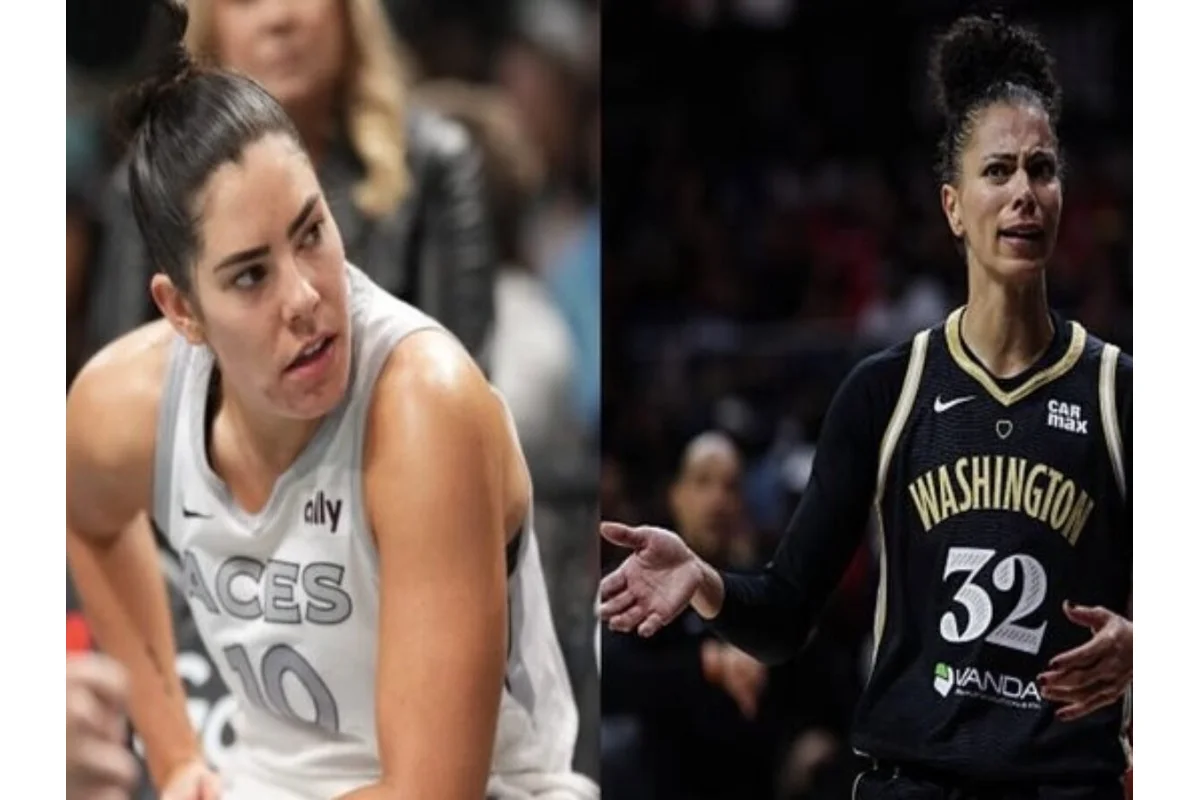
The WNBA and the WNBPA have been locked in collective bargaining agreement talks for over a year, with a crucial deadline set for March 10, just eight days away. If no deal is reached by then, the start of the season could be delayed, complicating plans for the upcoming WNBA Draft scheduled for April. Alysha Clark, WNBPA vice president, has kept the possibility of a strike in the spotlight, signaling that the threat remains very real amid ongoing tensions.
Union Leaders Split Over Strike and Desire to Begin Play
The WNBPA appears divided as some players grow eager to start the season, while union leadership continues to consider striking as a bargaining tool. Alysha Clark made her stance clear on social media, emphasizing that
“a strike is still very much on the table.”
Meanwhile, first vice president Kelsey Plum expressed a contrasting perspective, endorsing the progress made in revenue-sharing negotiations and underscoring players’ overall wish to play.
Plum told reporters,
“I want to play and players want to play. We’re going to continue to negotiate and do everything we can to get this done in a timely fashion. But obviously a strike would be the worst thing for both sides because we are in a revenue share, so no revenue, no revenue to share.”
— Kelsey Plum, WNBPA First Vice President
This tension reflects a shift from December’s atmosphere, when the union overwhelmingly authorized a strike. Now, as the season nears, the unity among players weakens, with many pushing for a resolution in light of concessions the league has made.
Core Dispute Focuses on Revenue Sharing Percentages
The central difficulty in reaching agreement revolves around how much of the league’s revenue players should receive. While the league has offered less than 15 percent of total revenue, the players’ camp has lowered its initial demand of 40 percent to 26 percent over the contract’s duration.
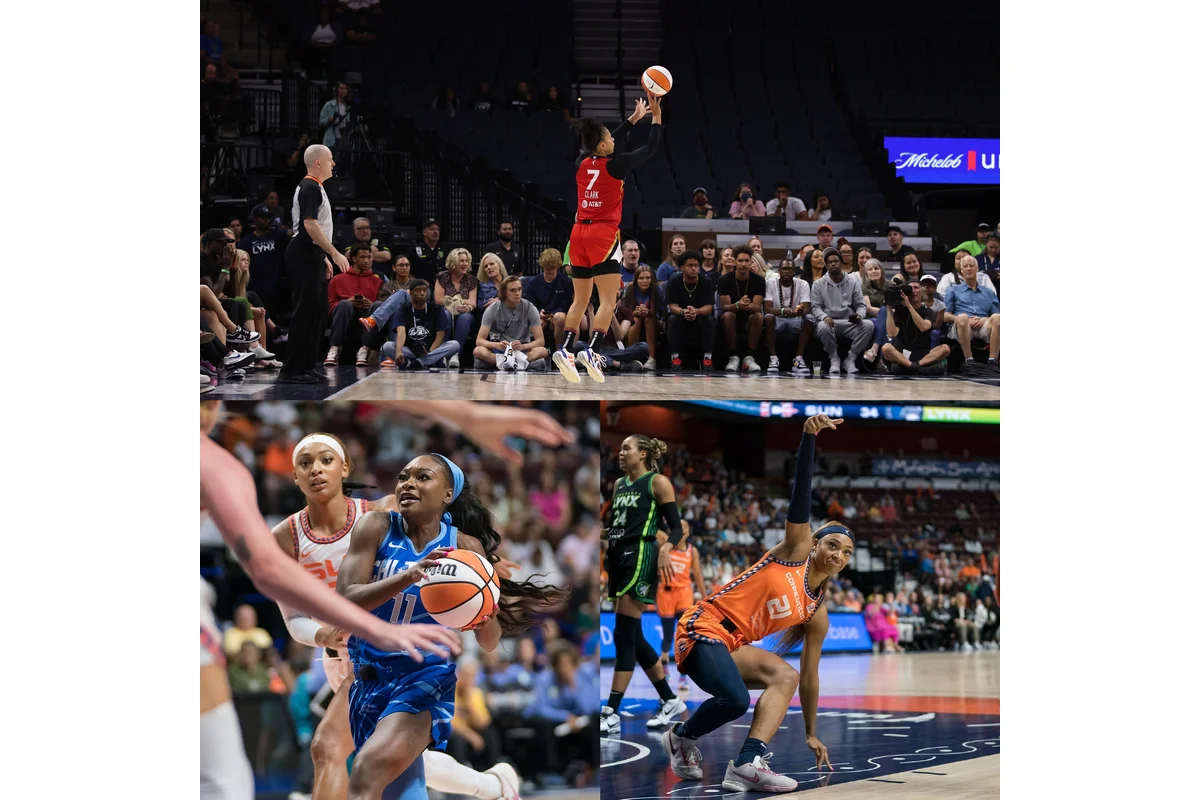
Alysha Clark’s position remains firm, but Breanna Stewart, also a WNBPA vice president, acknowledges the progress made.
“While we still are fighting for a lot of different things, we have to realize that the rev share is a win.”
— Breanna Stewart, WNBPA Vice President
Despite these advances, Stewart confirmed the current proposals are not yet ready for a player vote, signaling ongoing talks are necessary.
Details of the League’s Latest Offer and Players’ Response
The WNBA’s recent proposal includes several new benefits, such as a slight raise in the salary cap from $5.65 million to $5.75 million and team-provided housing for all players in the first year of the new labor deal. Additionally, younger stars like Caitlin Clark and Angel Reese could qualify for a higher max salary more quickly under revised rookie contract terms, with a supermax salary set at 20 percent of the cap.
However, some players remain dissatisfied, pointing out limitations in these improvements. Natasha Cloud highlighted ongoing concerns, stating bluntly,
“We are still not making enough.”
She emphasized issues like the potential loss of housing support in high-cost markets such as New York City that could offset salary increases. — Natasha Cloud, WNBPA Player
Union leaders Kelsey Plum and Breanna Stewart stress that a strike would harm both the league and the players, but they face resistance within the player ranks. Reports describe a tense meeting in which half of the union leadership reinforced their readiness to strike if necessary, despite objections from others.
One critical quote circulating labeled the commissioner as a
“Terrible Commissioner Who Clearly Has No Plan To Protect Players,”
reflecting frustration among some factions aligned with Breanna Stewart for their defense of the WNBA brand.
Fans Voice Mixed Opinions on Negotiation Standoff
Widespread frustration is evident among fans, many of whom are urging players to accept the league’s concessions and avoid delayed seasons. Some fans support players like Kelsey Plum who advocate for compromise.
One fan questioned the positions of some union representatives, tweeting,
“Kelsey gets it. Does (Union reps) Phee and (Natasha) Cloud?”
Others warn that the current leverage players hold will diminish next year, expressing urgency for timely resolution.
“We’re long past getting it done in a timely fashion. All the fans calling for a strike don’t seem to understand this. The leverage the players have right now will not be there next year,”
said a fan on social media.
Meanwhile, some observers mock the delays, describing the situation as “comical,” especially given the large number of free agents and ongoing qualifying offers from teams.
Player Agents Push for Greater Transparency in Negotiations
On March 4, player agents collectively requested more access to the league’s proposals via WNBPA executive director Terri Carmichael Jackson, seeking to review key information under non-disclosure agreements. This move has received support from several players who believe better knowledge will inform their decisions about strike support.
Breanna Stewart explained the motivation behind the agents’ request:
“They want to be looped in because they want to be able to make sure that their players are as informed as possible.”
— Breanna Stewart, WNBPA Vice President
As the March 10 deadline nears, WNBPA leadership remains committed to securing the best possible terms, but the players recognize that threatening a strike over a share of revenue they won’t receive if they don’t play could limit their bargaining power.
Implications for the WNBA’s Future and Upcoming Season
The ongoing negotiations highlight deep divisions within the WNBA’s player union and the league’s management about compensation and working conditions. With an agreement not yet reached and pressure mounting, the potential for a strike looms heavily over the season’s timetable.
How these talks conclude will directly affect the start of the 2026 WNBA season and its associated events, including the draft. Players like Alysha Clark remain vocal in maintaining strike discussions as leverage, while others such as Kelsey Plum work toward resolution.
Beyond immediate scheduling concerns, this standoff may influence the league’s growth trajectory and player satisfaction in the long term, shaping the WNBA’s labor relations landscape for years to come.
On the state of CBA negotiations, Kelsey Plum said: “I want to play, and players want to play. Obviously we're going to continue to negotiate and do everything we possibly can to get this done in a timely fashion. But a strike would be the worst thing for both sides, because we…
— Annie Costabile (@AnnieCostabile) March 2, 2026
"We are still not making enough."
Natasha Cloud responds to the WNBA's new CBA proposal and brings up her issues with housing potentially being taken away, citing that a big market like NYC will essentially cancel out the $200K jump in salary. pic.twitter.com/Z1mpJHL0pa
— Sportico (@Sportico) March 2, 2026
