
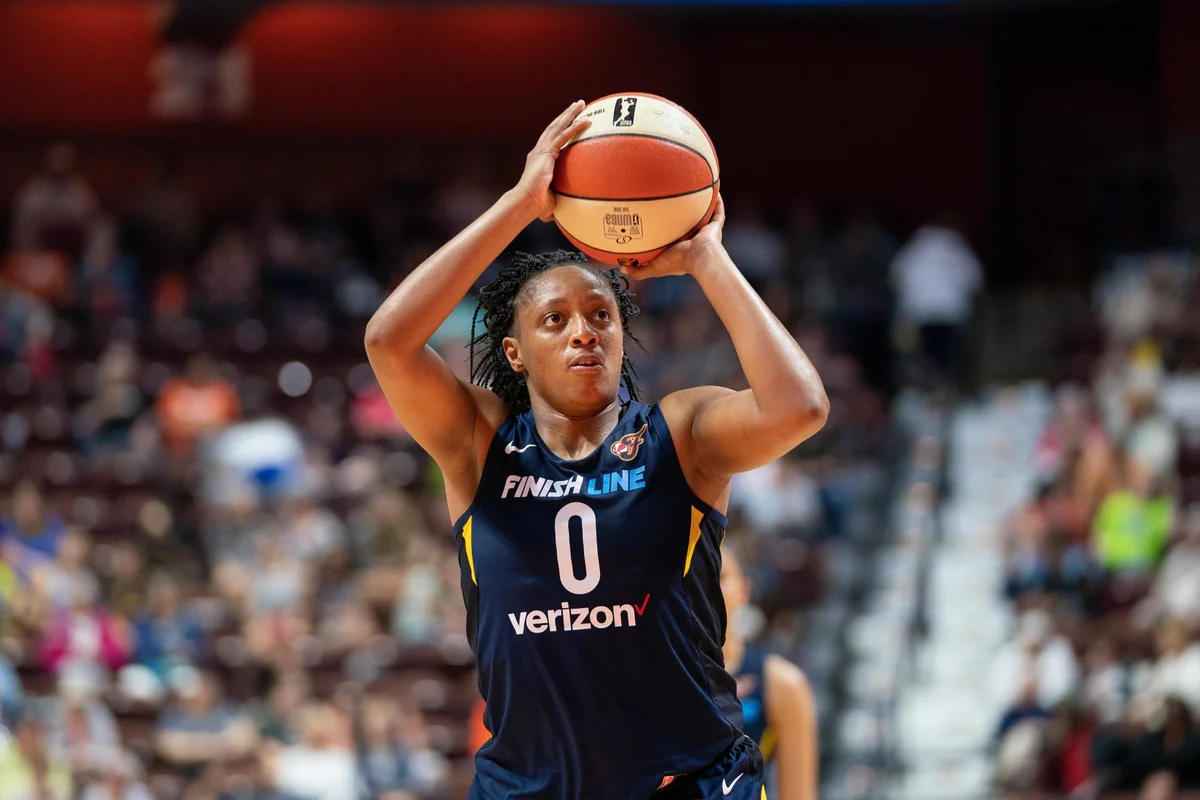
The Indiana Fever aim to keep their key players Caitlin Clark, Aliyah Boston, and Kelsey Mitchell, but the upcoming WNBA salary cap rules make this a difficult task. Under the proposed Collective Bargaining Agreement (CBA), only one superstar on the team can receive the supermax contract, forcing tough decisions on which player earns that distinction.
Rachel de Mita, on the Courtside Club podcast, explained the dilemma:
“Only one player could get that max contract. This is where it really starts to get sticky. … With the Indiana Fever, who do they offer that max salary to? … Caitlin Clark is eligible to be that max contract player because of this new rule in 2027.”
According to Front Office Sports, the WNBA’s proposed salary cap for 2026 is set at $5.75 million, a slight increase from the previous $5.65 million. This new framework allows just one player per team to command a supermax deal, which is capped at 20% of the team’s salary cap.
The Associated Press added that players on rookie contracts who earn All-WNBA honors can qualify for max contracts by their fourth season. Aliyah Boston, having secured a place on the All-WNBA second team in 2025, is eligible for a max salary this year. Caitlin Clark, with a first-team All-WNBA selection in 2024, becomes eligible in 2027.
Meanwhile, Kelsey Mitchell, the Fever’s current supermax player and a top-five MVP candidate in 2025, seeks to return to Indiana. However, it remains uncertain if she will accept a pay cut to accommodate salary cap limitations.
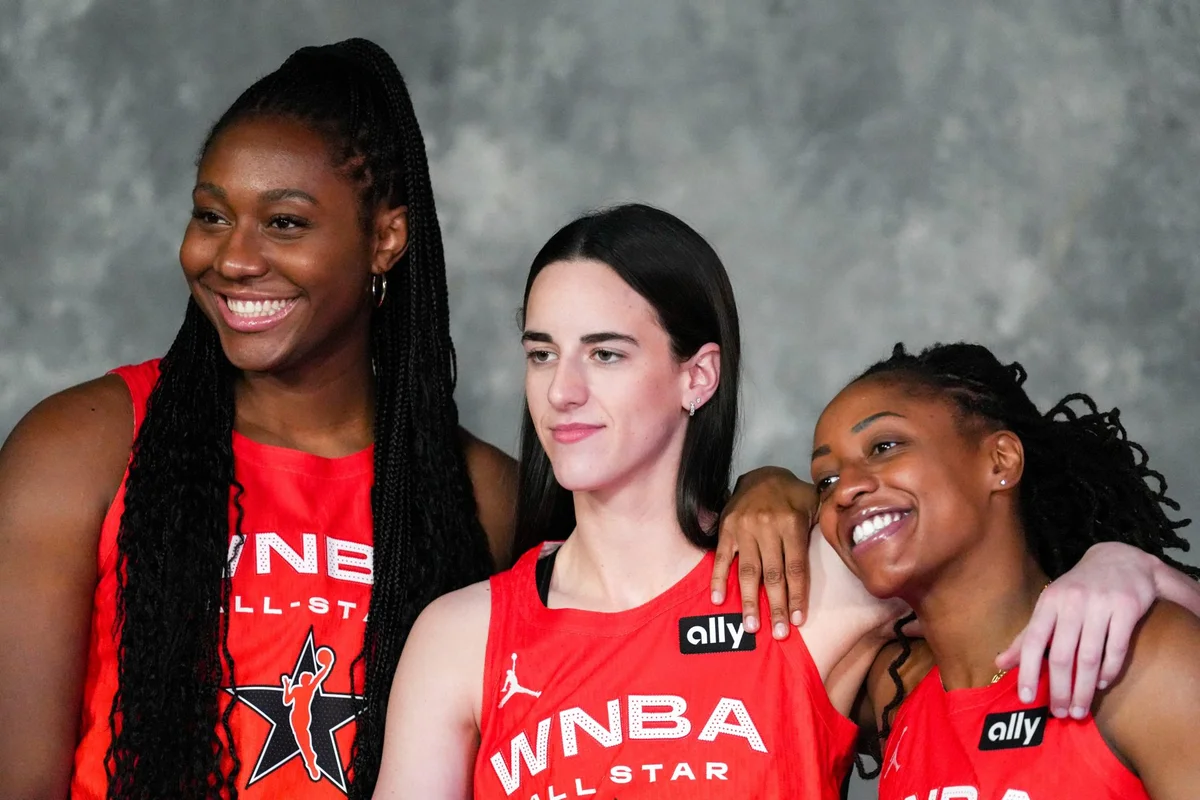
Rachel de Mita offered insight on the Fever’s likely priorities:
“I would assume that Caitlin Clark would get that priority to become your max contract player, your franchise player. She is currently already the face of the league. The Indiana Fever would have to clear that space for her.”
A supermax player’s salary is approximately $1.3 million, while a standard max contract offers about 17.5% of the salary cap, roughly $1 million. Indiana faces significant challenges in persuading all three stars to stay while navigating these financial constraints.
Managing Team Composition Under Stringent Salary Constraints
Even if the Fever re-sign Kelsey Mitchell under a supermax deal, the team’s ability to build a competitive roster around Mitchell, Clark, and Boston will remain limited due to the salary cap. Mitchell’s supermax contract accounts for $1.3 million, and Boston, eligible for a standard max deal, would receive around $1 million. Clark’s salary, rising from her rookie contract, is expected to reach roughly $500,000 under the new CBA terms.
Combined, these three players will consume more than $2.8 million of the $5.75 million salary cap, leaving the Fever approximately $2.95 million to fill out the rest of their roster. Complicating matters further, minimum and veteran salaries are also increasing, intensifying the salary cap management challenge faced by General Manager Amber Cox.
With such tight financial parameters, Cox will need to be strategic and creative in assembling additional talent while maintaining the team’s core.
Broader Implications for the WNBA and Players Amidst CBA Negotiations
The salary cap challenges faced by the Fever highlight the wider tension between players and the league during ongoing Collective Bargaining Agreement negotiations. Issues surrounding fair pay and contract structures remain central to discussions involving the WNBPA and the league.
Notably, Howard Megdal, author of “Becoming Caitlin Clark,” has criticized the WNBPA for applying “push polling tactics” during negotiations, reflecting the contentious atmosphere.
The association’s recent survey of players, including comments from stars like Kelsey Plum and Breanna Stewart warning about stalled talks, underscores the urgency felt across the league. Meanwhile, fans and observers continue to watch closely as negotiations proceed amid complex salary cap constraints that will shape the future of team rosters, player careers, and the growth of the WNBA.
For the Indiana Fever, the salary cap rules mean prioritizing between their franchise players and navigating a delicate balance to maintain competitive depth. The outcome of these negotiations and salary decisions will have a significant impact on how effectively the Fever can retain their rising stars and build toward sustained success.
The Indiana Fever might face a tough decision… pic.twitter.com/AF2nVnNqmA
— Courtside Club (@CourtsideClub_) March 4, 2026
New CBA offer from league fast-tracks young star players getting max deals, AP Source: https://t.co/jiIgkLgLLO
— Doug Feinberg (@DougFeinberg) March 2, 2026
