
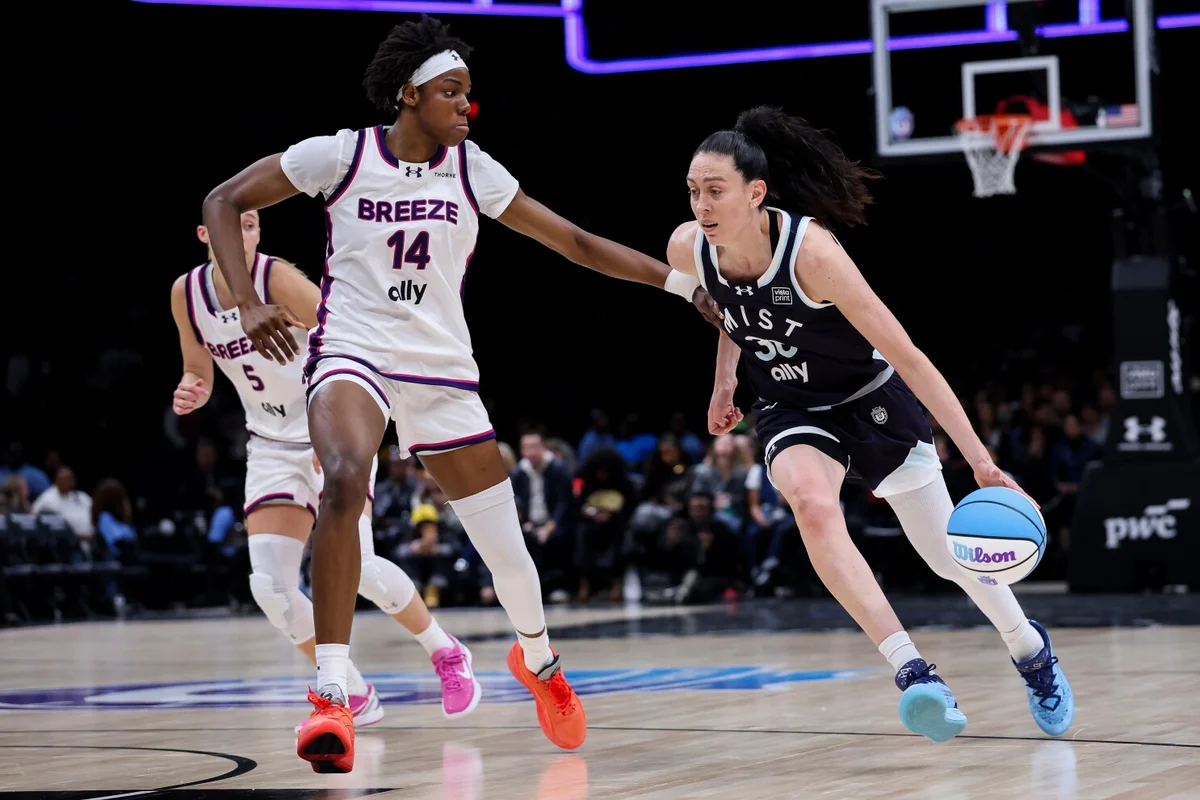
The WNBA collective bargaining agreement (CBA) negotiations have reached a critical phase as discussions between the league and the players union are scheduled for March 10, 2026. These talks come amid mounting pressure fueled by the remarkable growth of Unrivaled, a competing women’s basketball league, which is shaking up the landscape and adding unprecedented leverage for players demanding better terms.
In just its second season, Unrivaled has set new records in revenue, merchandise, ticket sales, and digital reach, providing players with alternative opportunities and intensifying the stakes for the WNBA’s upcoming agreement. The outcome of these negotiations will significantly influence the future of women’s professional basketball in the United States and beyond.
Situation Confronting WNBA as CBA Talks Approach Final Stretch
The WNBA and the Women’s National Basketball Players Association (WNBPA) are scheduled for decisive negotiations as the current CBA deadline looms. Without a timely agreement, the 2026 season risks delay or cancellation, potentially causing substantial financial losses for the league and driving players toward rival leagues that have been thriving independently.
WNBA players, represented chiefly by Napheesa Collier and Breanna Stewart—both players and influential voices—have been vocal in pushing for a contract that better reflects their contributions. Collier’s pointed remarks highlight the union’s readiness to explore options beyond the WNBA if necessary, emphasizing the leverage provided by alternative leagues.
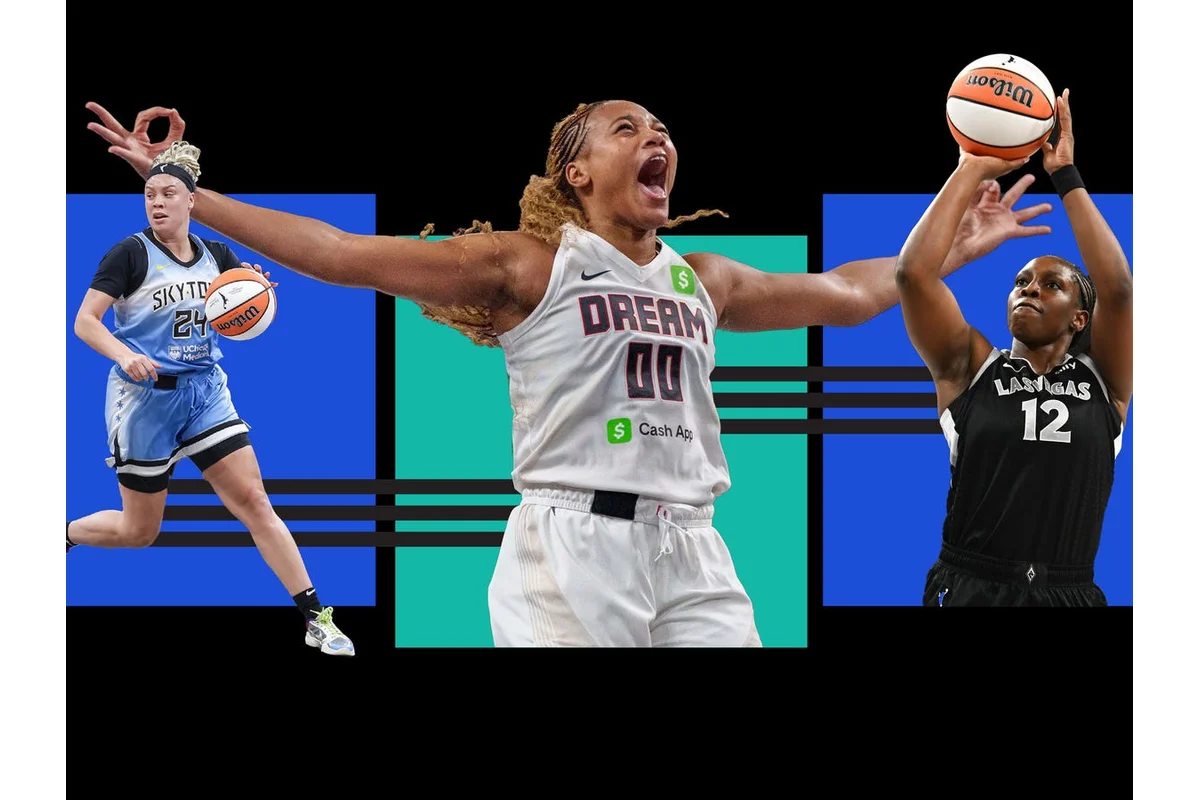
“We don’t have to just accept anything you give us, because if you don’t give us what we’re owed, we have other places we can go,”
Napheesa Collier, player and owner
Record-Breaking Growth of Rival League Unrivaled Highlights Players’ Leverage
Unrivaled’s extraordinary progress has reshaped the bargaining dynamics. The league reported $45 million in revenue last season, with merchandise sales surging by 130% and ticket sales increasing by 204%. Its salary cap expanded by 115%, and its digital footprint reached over 1.2 billion fans, while live events in key markets like Philadelphia and New York sold out to record-breaking crowds.
.@Unrivaledwbb saw a historic season in its second year:– Generating $45 Million in revenue
– Merch sales up 130%
– Ticket sales up 204%
– Salary cap growth of 115%
– Reaching over 1.2 billion fans digitally
– Seeing record-breaking sellout crowds in Philly and New York— Mitchell Hansen (@M_Hansen13) March 10, 2026
Mitchell Hansen, sports analyst
This robust growth has not only expanded Unrivaled’s market but also considerably increased the equity value within the player ownership pool, which surged from $30 million to $120 million—a 290% increase. This underscores the players’ strong influence as major stakeholders, strengthening their position in negotiations with the WNBA.
Furthermore, the emergence of Project B, another promising league poised to launch later in the year, adds a new layer of competition for talent and fan attention. Such developments give WNBA athletes greater freedom to evaluate their options and raise the bar during collective bargaining.
WNBA Players Emphasize Their Value Amidst Tough Negotiations
Figures like Napheesa Collier, who uniquely balances roles as both player and owner in the evolving basketball ecosystem, understand the growing value of women’s professional basketball athletes. Despite skepticism surrounding alternative formats such as 3×3 basketball, these have endured and attracted high-caliber players including Paige Bueckers, Collier, and Breanna Stewart, showcasing the potential for expansion and diversification beyond the traditional league setup.
WNBA Commissioner Cathy Engelbert and league owners remain firm on preserving the existing revenue-sharing framework, complicating the path toward consensus. The union initially sought 40% of gross league revenue but signaled flexibility by lowering that request to 26% over an eight-year contract, with a possible opt-out after seven years. Still, this has not bridged the gap with the league’s position, which maintains a 70% share of net revenue.
Sources close to the talks suggest that although proposals have been exchanged in recent discussions, no resolution appears imminent. The atmosphere remains tense as all parties await the outcome of the negotiations scheduled for today, with the possibility of extended conflict if demands are not met.
Upcoming Discussions Will Determine WNBA’s Path Forward
March 10, 2026, represents a pivotal moment for the WNBA’s labor relations. The decisions made in this round of negotiations could either pave the way for a transformative new era in player compensation and league growth or lead to prolonged disputes that may affect the league’s viability and reputation.
Players such as Collier and Stewart, empowered by the success of Unrivaled and other emerging platforms, remain committed to securing what they consider fair compensation for their efforts and contributions. The possibility that players may move to rival leagues if their demands are ignored presents a very real challenge to WNBA owners and executives.
For the league, reaching an agreement that balances financial sustainability with player demands is critical not only for preserving the season but also for maintaining its status as the premier women’s basketball organization in the country. As negotiations proceed, the broader sports community and fans eagerly await clarity on the future of professional women’s basketball in America.
.@Unrivaledwbb saw a historic season in its second year:
– Generating $45 Million in revenue
– Merch sales up 130%
– Ticket sales up 204%
– Salary cap growth of 115%
– Reaching over 1.2 billion fans digitally
– Seeing record-breaking sellout crowds in Philly and New York— Mitchell Hansen (@M_Hansen13) March 10, 2026
