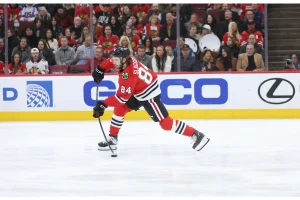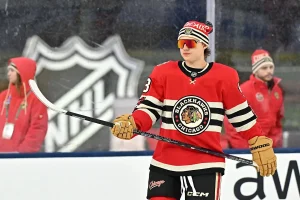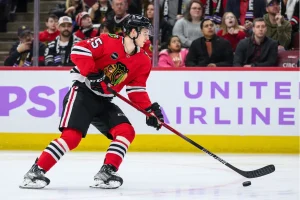
Rockford IceHogs Overview
The Rockford IceHogs are a professional ice hockey team based in Rockford, Illinois. The team competes in the American Hockey League (AHL) as members of the Western Conference and the Central Division, and they have played their home games at the BMO Center since the 2007–08 season. The IceHogs serve as the top minor league affiliate of the National Hockey League’s Chicago Blackhawks, with a secondary affiliation to the Indy Fuel of the ECHL. The franchise is owned by the Wirtz Corporation, the operating body of the Chicago Blackhawks, which formally purchased the team in 2021. The team’s colors are red, black, and white, and the club operates as a critical step in the development pathway for prospects heading to the National Hockey League.
Founding and Organizational Origins
The franchise that ultimately became the Rockford IceHogs was founded in 1995 as the Baltimore Bandits. The Bandits were established to serve as an AHL affiliate and operated in Baltimore for two seasons before the franchise was relocated. In 1997, the club moved to Cincinnati, Ohio, and was rebranded as the Cincinnati Mighty Ducks. The renamed team continued in the American Hockey League and developed a working relationship with National Hockey League organizations, including periods of affiliation with the Mighty Ducks of Anaheim and the Detroit Red Wings.
During the Cincinnati era, the team cultivated a roster of young players and built an identity around player development. However, the organization faced instability when both of its National Hockey League partners chose new minor league affiliates, leaving the Mighty Ducks without a parent club. The franchise was briefly renamed the Cincinnati RailRaiders in an effort to return to play, but the organization could not reach the goal of selling 2,000 season tickets in time to resume operations. With no league home, the dormant franchise became available for relocation.
Growth Into American Hockey League Competition
On March 19, 2007, the American Hockey League announced that the dormant franchise had been purchased and relocated to Rockford, Illinois, to become the Rockford IceHogs. The new club debuted in the 2007–08 season, restoring professional hockey to Rockford and providing the city with a direct pipeline to the National Hockey League through its affiliation. The IceHogs joined the Western Conference and established themselves as a development-focused organization aligned with a parent National Hockey League partner.
Over the following years, the team built its front office, coaching staff, and roster into a consistent competitor in the Central Division. The IceHogs invested in scouting, player development, and a training structure intended to prepare prospects for the pace and demands of the National Hockey League. The organization developed rivalries with other Central Division clubs and gradually expanded its presence in the community of Rockford, growing season-ticket bases and engaging with local fans across northern Illinois.
Rockford IceHogs Competitive Journey
Since their establishment in Rockford, the IceHogs have competed continuously in the American Hockey League as a key developmental partner of the Chicago Blackhawks. The team’s competitive journey has emphasized prospect growth, roster stability, and consistent participation in the league’s regular season and postseason play. The IceHogs have remained a fixture in the Central Division and have worked to position themselves as a steady contributor to the Chicago Blackhawks’ overall player pipeline.
Early Seasons and Development (2007–2012)
The IceHogs’ first AHL season in Rockford began in 2007–08, marking the team’s entry into professional play at the BMO Center. Early rosters featured a blend of young prospects and experienced minor league veterans, with the organization focused on building competitive habits and integrating new players into professional systems. The team’s on-ice product reflected the growing pains of a new franchise, but the club earned respect through consistent effort and the steady improvement of its young talent.
Through the first several seasons, the IceHogs refined their approach, prioritizing skill development, defensive structure, and goaltending. The team cultivated a reputation as a hard-working organization committed to advancing players to the National Hockey League. As the franchise matured, the IceHogs began producing graduates who would go on to contribute at the top level of professional hockey, validating the team’s developmental model.
Breakthrough in American Hockey League (2013–2020)
By the middle of the 2010s, the IceHogs had become one of the more established teams in the Central Division, regularly competing for postseason positioning. The team’s structure, featuring a balanced mix of veterans and prospects, allowed the organization to remain competitive while continuing to develop young players for the Chicago Blackhawks. The IceHogs posted strong regular season records during this period, establishing themselves as a consistent threat within the division.
The organization also invested in fan engagement and arena experience, growing the IceHogs’ presence in the Rockford market. The team built a recognizable brand around the city of Rockford, embracing the agricultural heritage of the region in its imagery and identity. On the ice, the IceHogs continued to push toward deeper postseason runs, refining their systems and cultivating a culture focused on two-way play and accountability.
Modern Program and Current Direction (2021–Present)
On April 7, 2021, the Chicago Blackhawks formally purchased the Rockford IceHogs, cementing the team’s long-term role within the Blackhawks’ developmental structure. The purchase was accompanied by the announcement of a $23 million multi-year renovation project at the BMO Harris Bank Center, designed to modernize the facility and improve the experience for players and fans alike. The agreement secured the IceHogs’ presence in Rockford through the year 2036, providing long-term stability for the franchise.
Under the leadership of head coach Jared Nightingale and de facto general manager Mark Bernard, the modern IceHogs continue to operate with a focus on player development, competitive consistency, and integration with the Chicago Blackhawks. The team fields a competitive roster each season, with Brett Seney serving as team captain. The IceHogs remain a critical part of the Chicago Blackhawks’ prospect pathway, and the organization continues to evolve its training, conditioning, and analytical programs to keep pace with modern professional hockey.
Philosophy and Competitive Strengths
The Rockford IceHogs’ core identity centers on development, structure, and a strong work ethic. The team emphasizes defensive responsibility, disciplined systems, and the gradual introduction of young players to professional intensity. The IceHogs aim to build prospects who can contribute in all situations at the National Hockey League level, while competing hard for victories in the American Hockey League’s Central Division.
Key Milestones and Major Moments
Important milestones in franchise history include the 1995 founding of the original Baltimore Bandits, the 1997 relocation to Cincinnati, the 2007 purchase and relocation to Rockford, and the 2021 acquisition by the Chicago Blackhawks. The 2021 renovation announcement, which extended the team’s tenure in Rockford through 2036, stands as one of the most significant organizational achievements in the modern era of the franchise.
Rockford IceHogs Achievements and Results
The Rockford IceHogs have built a steady record of competitive participation in the American Hockey League since the 2007–08 season. The team has consistently competed in the Central Division of the Western Conference and has served as a launching point for numerous National Hockey League careers. Verified total wins, conference championships, and division championships are not available in the supplied source materials and are therefore not summarized here.
American Hockey League Achievements
Since entering the league in 2007–08, the Rockford IceHogs have remained a continuous participant in the American Hockey League. The team’s primary achievement has been its sustained role as the top developmental affiliate of the Chicago Blackhawks, producing players who have advanced to the National Hockey League. Specific championship totals are not documented in the supplied sources.
Conference Achievements
The IceHogs compete in the Western Conference of the American Hockey League. The team has worked to establish itself as a consistent member of the conference since its 2007 arrival, regularly scheduling and competing against fellow Western Conference opponents. Conference championship totals are not documented in the supplied sources.
Divisional Achievements
The IceHogs are members of the Central Division. The team has developed divisional rivalries and has competed regularly for positioning within the division. Division championship totals are not documented in the supplied sources.
Series Achievements
As an American Hockey League team, the Rockford IceHogs participate in the league’s regular season and playoff structure. The franchise’s continuity in the league since 2007 represents its most consistent competitive achievement. Specific playoff series outcomes and titles are not documented in the supplied sources.