
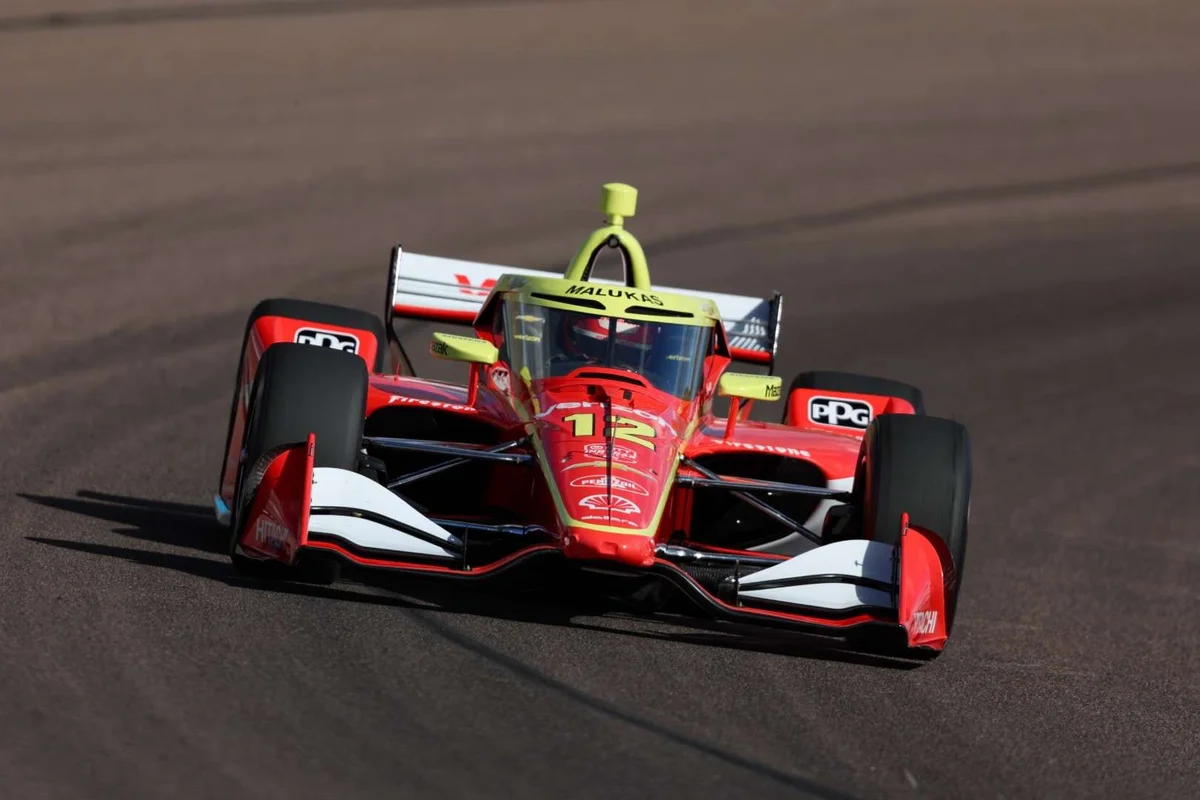
This weekend in St. Petersburg, Florida, NASCAR and IndyCar collaborate as the NASCAR Craftsman Truck Series makes its first appearance on the city‘s street course. Scheduled for Saturday, the Trucks will compete in an 80-lap race at the NTT IndyCar Series venue, marking the series’ debut on this challenging urban layout and initiating a new era of cross-series events.
Race Weekend Schedule and Venue Transitions
The Truck Series event will take place on Friday, shifting from NASCAR’s usual stop at Circuit of the Americas (COTA), where the NASCAR Cup Series and O’Reilly Series races will occur over the weekend. This marks the first of two street-course appearances for the Truck Series in 2026, with the second set for June at Naval Base Coronado.
Diverse Driver Lineup Adds Intrigue to St. Petersburg
The weekend promises a unique driver mix, including talents from various racing disciplines. Notably, IndyCar champion Dario Franchitti will pilot the No. 1 Tricon Garage Toyota on St. Petersburg’s city streets, further enhancing the event’s profile. The race also kicks off the 2026 NTT INDYCAR SERIES season on Sunday, March 1, beginning a record pace with four races packed into March.
IndyCar’s Expanded 2026 Schedule and Florida’s Solo IndyCar Event
St. Petersburg remains the only IndyCar race hosted in Florida this year, setting the tone for a fiercely competitive season. The calendar features a return to Phoenix Raceway, debuts at the Streets of Arlington, and a challenging stop at Barber Motorsports Park. For the first time since 2014, the series comprises 18 races, with FOX Sports committed to live coverage of every session and race.
Championship Stakes and Tire Strategy Developments
Four-time champion Alex Palou, representing Chip Ganassi Racing, seeks a historic fourth consecutive title, a feat last achieved by Sebastien Bourdais in 2007. To intensify battles on road and street courses, IndyCar has modified tire regulations at St. Petersburg to require one set of primary tires and two sets of alternate (red) tires per race, adding one extra set compared to previous years. Teams may still use unlimited new tires, but each set requires a minimum of two green-flag laps.
To support this approach, Firestone has redesigned the alternate tires to reduce performance drop-off and give teams more strategic freedom, aiming to foster closer racing and more aggressive overtaking throughout the season.
