
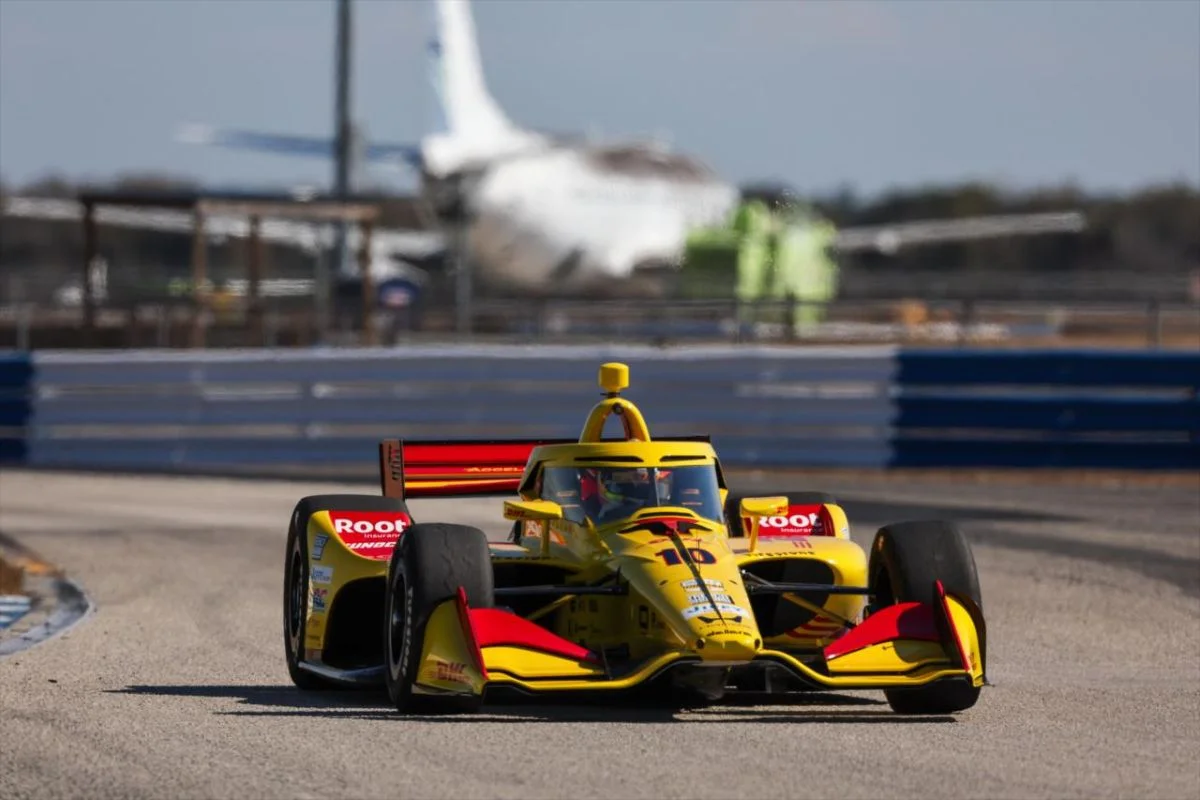
The 2025 IndyCar season kicks off this weekend with the St. Petersburg Grand Prix at noon on Sunday, launching what many describe as an exceptionally demanding early schedule. The series will feature four races within five weeks, starting with the St. Petersburg GP, followed by the Good Ranchers 250 at Phoenix Raceway next weekend, then the Arlington Grand Prix in Texas, and finally the Indy GP of Alabama on March 29. This compressed calendar contrasts with previous years, where teams experienced longer intervals after the season opener to evaluate and adjust their strategies.
Zion Brown of the Indianapolis Star emphasized how this change affects preparations:
“be as hectic as it’s ever been,”
and, with nearly a quarter of the season’s races packed into March, he noted there is an
“added sense of urgency heading into this weekend.”
After this intense run, the schedule relaxes slightly with a single race in April, the Long Beach Grand Prix on April 19.
A Closer Look at the New Race Schedule and Venues
The revamped 2025 calendar includes some new locations and notable partnerships, reflecting the sport’s ongoing effort to broaden its appeal. Jenna Fryer of the Associated Press reported that Team Penske, the owner of both IndyCar and Indianapolis Motor Speedway, helped facilitate the record-setting string of four March races by collaborating with NASCAR to race at Phoenix Raceway again next weekend.
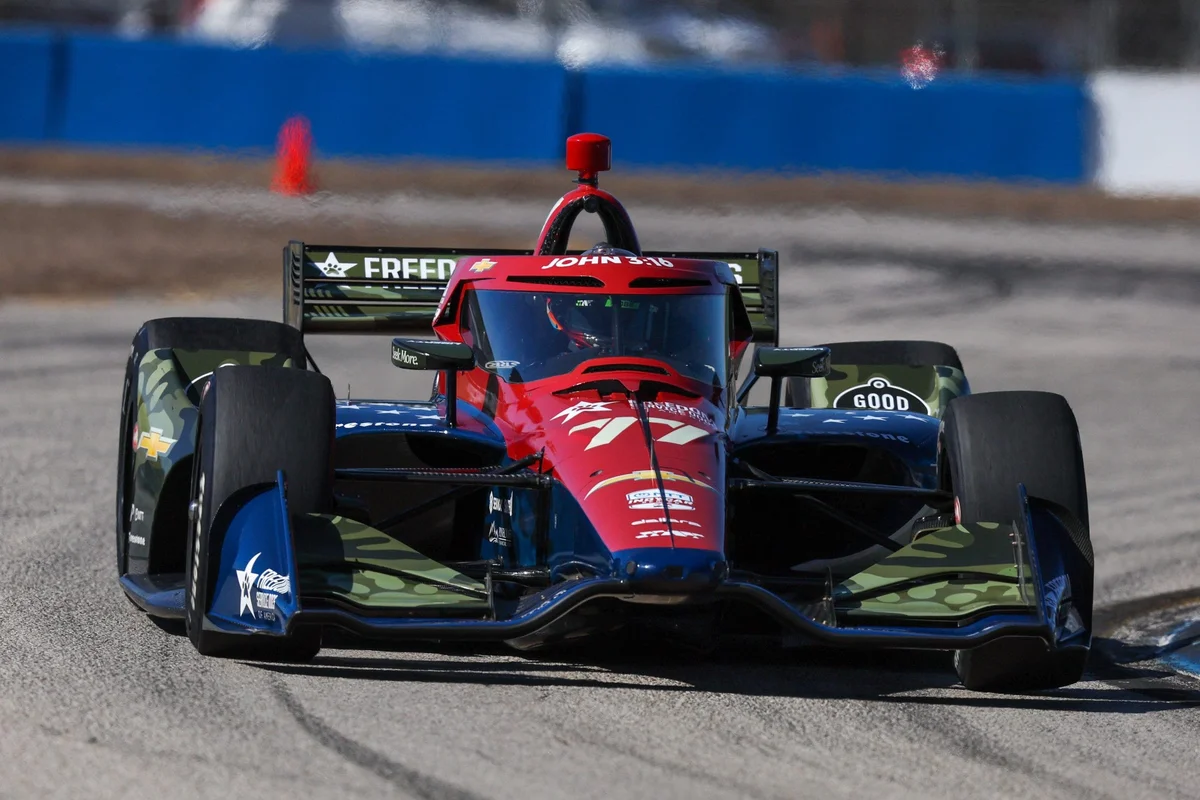
This year also introduces new venues, including the Arlington Grand Prix and a move from downtown Toronto to the streets of Markham, Ontario. Additionally, a race in Washington, D.C., backed by former President Trump, will celebrate the United States’ 250th birthday. The season will conclude on September 6 at Laguna Seca, returning after its last appearance in 2023.
Broadcast Performance and Viewership Challenges
Despite the demanding schedule for teams, broadcasters face their own pressures to sustain and grow their audience numbers. Marshall Pruett of RACER highlighted Fox’s inaugural season as IndyCar’s exclusive network broadcaster, noting significant improvements but also clear limitations. According to Pruett, Fox’s IndyCar coverage recorded a year-over-year viewership increase of 27%, with five of 17 races averaging more than one million viewers.
However, Pruett also pointed out that over half of the races—nine in total—did not reach the one-million viewer threshold, with average audiences ranging from 704,000 to 781,000. Additionally, two races dipped below 700,000 viewers, resulting in eleven races with averages between 552,000 and 781,000. Reflecting on these mixed results, he wrote the challenge ahead:
“delivered impressive viewership gains compared to what the series achieved with NBC and its cadre of network and cable and streaming placements in 2024. And it wasn’t enough.”
– Marshall Pruett, RACER
“must draw closer to a million viewers for every race.”
– Marshall Pruett, RACER
“For all of the pressure IndyCar teams and drivers are facing this year, spare a thought for FOX as it bears the responsibility of turning a solid debut into a runaway success.”
– Marshall Pruett, RACER
In fact, in 2025, 65% of Fox’s IndyCar races drew audiences of 781,000 or fewer, making it clear that cutting those numbers in half remains a key objective for growth.
What This Accelerated Start Means for the Season Ahead
The tightly packed early 2025 IndyCar schedule marks a significant shift from past seasons, demanding rapid adaptability from drivers, teams, and broadcasters alike. The intense pace leaves limited opportunities for technical or strategic recalibration between races, increasing pressure as the championship begins at full throttle. Meanwhile, the inclusion of new venues like Arlington and Markham reflects the series’ ambition to expand its footprint across North America.
The broadcasters, led by Fox, face the important task of converting this excitement into consistent, larger audiences amid a competitive sports landscape. How well teams cope with the demanding sequence and how the growing viewership trends evolve could set the tone for IndyCar’s momentum throughout 2025 and beyond.
