
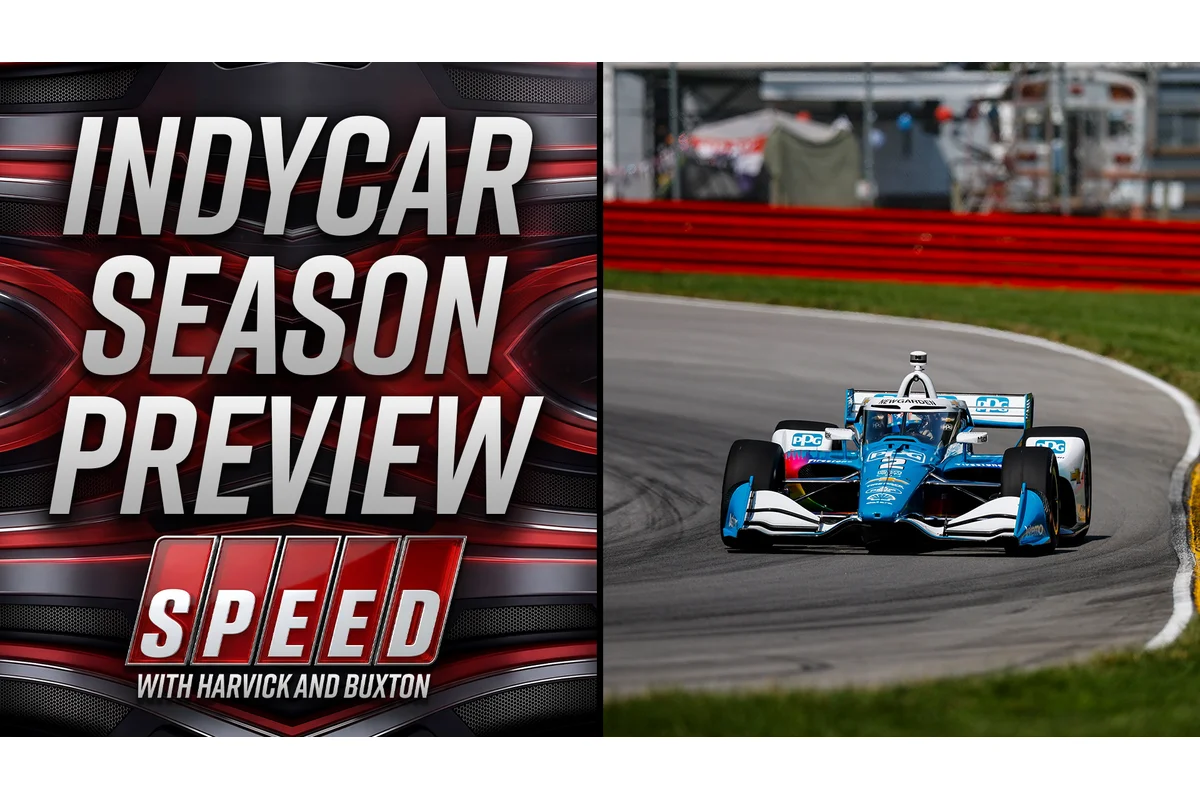
The 2026 Firestone Grand Prix of St. Petersburg will mark an unprecedented event as the NASCAR Craftsman Truck Series shares a full race weekend with the NTT IndyCar Series from February 26 through March 1 in Florida. This landmark crossover on the tight 1.8-mile downtown street course features open-wheel IndyCars competing alongside the heavier stock trucks, representing a strategic effort to blend fanbases and elevate both motorsports domains.
A New Chapter in Street Racing for NASCAR
In a first for its 32-year history, the NASCAR Craftsman Truck Series is venturing onto a street course — and not just any course, but the challenging circuit of St. Petersburg, Florida, renowned for its 14 demanding turns. The OnlyBulls Green Flag 150, scheduled for Saturday, will test drivers with 80 laps of technical, narrow corridors and sharp corners, demanding precision and courage. These trucks, designed for oval tracks, now face the unforgiving concrete walls and near-right-angle bends that have long defined St. Pete’s unforgiving reputation, promising a radically different spectacle for NASCAR fans.
Combining Fanbases for a Massive Motorsport Gathering
St. Petersburg has long been a kickoff venue for IndyCar’s season, attracting over 200,000 fans during race weekends. With NASCAR’s typical turnout ranging from 100,000 to 300,000 for its events, merging these audiences creates one of the largest and most diverse motorsport crowds seen in recent years. This organic blending offers fans of each series the chance to experience the other up close, with NASCAR enthusiasts encountering the speed and agility of IndyCars, while IndyCar fans witness the raw power and handling challenges of stock trucks.
Unforgiving Circuit Demands Precision and Resilience
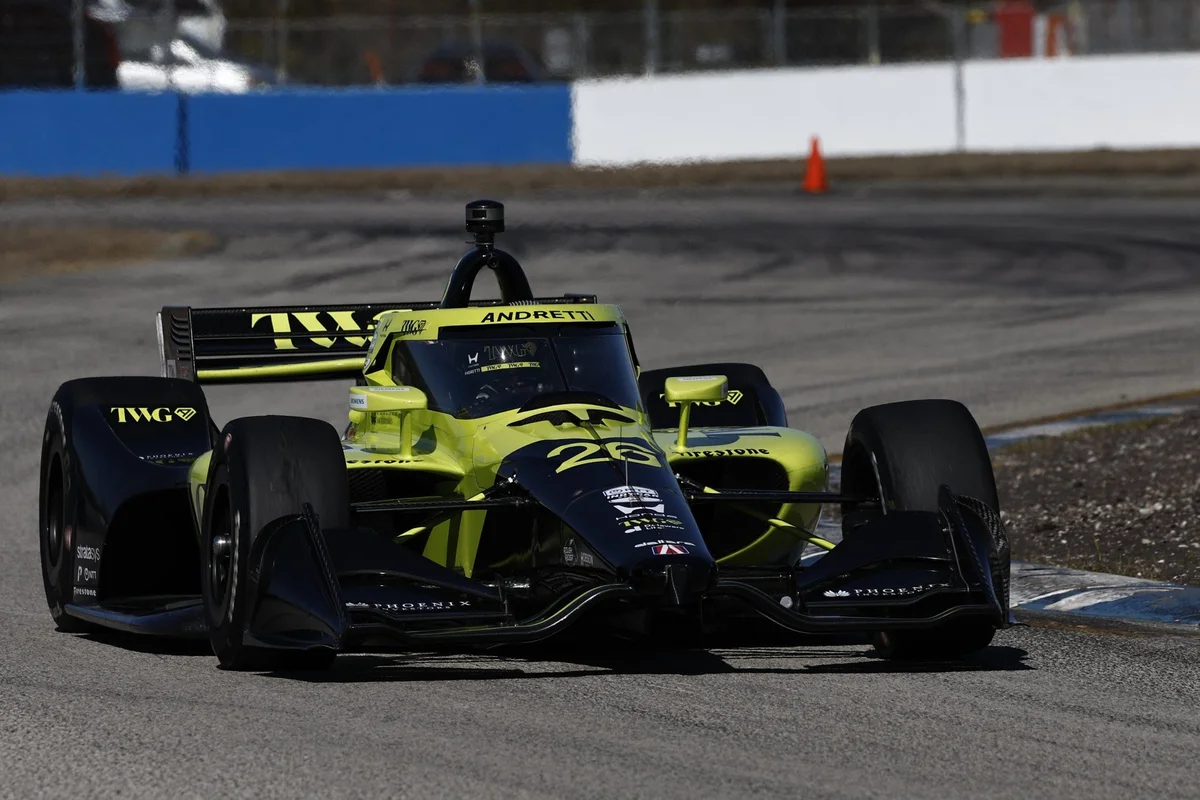
The St. Pete street layout is notorious for its complexity and risk, combining tight city streets with sections of airport runway. Its concrete-lined path punishes any misstep harshly, with minor wall contact often resulting in tire damage or aerodynamic failures. The surface varies throughout the course, featuring a mix of uneven city asphalt, concrete patches, and bumps that continually shift grip conditions. Key trouble spots include the infamous Turn 1 right-hander following a long straight that frequently causes chaos, as well as the intricate Turn 4–9 section where one error can cascade across several corners. NASCAR trucks, being heavier and less agile than IndyCars, face a grueling physical and mechanical challenge on this brutal circuit.
Contrasting Machines: Speed Versus Strength
The visual and performance differences between IndyCars and NASCAR Trucks sharing the same track are stark. IndyCars are lightweight, aerodynamic, and capable of exceeding 230 mph, while NASCAR Trucks weigh over twice as much and prioritize durability and close-contact racing. As Daniel Suárez described,
“We are heavier, and we have more horsepower… INDYCARs, they are super, super fast… They are going to make us look like we are running on bicycles, but it’s just completely different things.”
Cody Ware added,
“Basically, it’s like a giant boat with a bunch of lead in it [NASCAR] versus a fighter jet on wheels [INDYCAR], basically between the two.”
This dynamic amplifies the contrast between the two racing philosophies converging on one stage.
A Cultural Collision of Distinct Racing Worlds
Beyond the vehicles themselves, the event spotlights a clash and potential harmony between two different motorsport cultures. NASCAR’s fanbase traditionally leans older with a median age of 58, deeply rooted in stock-car traditions, while IndyCar attracts a younger, more international crowd averaging around 44 years old, drawn to cutting-edge open-wheel technology and technical racing. The St. Pete weekend offers a rare occasion where these divergent groups unite in the grandstands, mingling their passions and perspectives over one electrifying race festival.
Revitalizing NASCAR’s Image with a Modern Backdrop
Racing through downtown St. Petersburg’s scenic waterfront, near yachts and cultural landmarks, provides NASCAR with a glamorous and fresh setting distinct from its usual rural oval tracks. This urban environment echoes the prestigious atmospheres associated with global racing series like Formula 1 and signals NASCAR’s ambition to reposition itself toward younger, lifestyle-oriented audiences. The visually appealing backdrop may draw new sponsorships interested in urban and luxury markets, increasing NASCAR’s relevance and appeal beyond its core fanbase.
Drivers Capturing Attention in the NASCAR Truck Series
Two standout drivers dominate pre-race buzz for the NASCAR event at St. Pete. Chandler Smith leads the Truck Series with momentum from recent victories including Daytona, bringing confidence to a daunting street race environment. Meanwhile, Frankie Muniz, known for his acting career in “Malcolm in the Middle,” adds celebrity allure to his first full-time Truck season. His presence is already attracting mainstream media attention and expanding sponsorship opportunities, exemplified by a multi-race sponsorship with Lucid Trading, highlighting the growing crossover appeal in motorsports marketing.
IndyCar Legend Tackles Stock Car Challenge
Adding to the crossover theme, Dario Franchitti, a St. Pete race winner and four-time IndyCar champion, will compete in the NASCAR Truck Series event. At 52, he is one of the oldest and most accomplished drivers on the grid, bringing a wealth of open-wheel experience into a new category. Franchitti’s prior NASCAR starts, including a pole and top-five at Watkins Glen in 2008, show his adaptability. His participation symbolizes the merging of racing disciplines, as he returns to St. Pete not just as an IndyCar icon but as a NASCAR rookie on a street circuit he knows well.
James Hinchcliffe’s Unique Weekend as Racer and Broadcaster
James Hinchcliffe, a six-time IndyCar winner, will make his NASCAR Craftsman Truck Series debut at St. Pete driving the No. 77 Chevrolet Silverado RST for Spire Motorsports. Since retiring from full-time IndyCar competition in 2021, Hinchcliffe has become a prominent motorsports analyst for NBC Sports, F1 TV, and FOX’s IndyCar broadcasts. This weekend, he will uniquely combine competing as a NASCAR driver while simultaneously calling the IndyCar season opener for FOX Sports, embodying the weekend’s spirit of crossover. He expressed enthusiasm about the Truck race, stating,
“I am super excited to run my first truck race at St. Pete. When they announced the trucks would be running there, I knew I had to try to make something happen because I just love this track and I have always wanted to try something in the NASCAR world,”
Hinchcliffe said.
Football Legend Jon Gruden Adds Star Power as Grand Marshal
Super Bowl-winning coach Jon Gruden will serve as grand marshal for the Firestone Grand Prix of St. Petersburg on Sunday, March 1. Gruden will lead pre-race activities and deliver the command to start the 100-lap IndyCar season opener. Additionally, he will complete a parade lap, bridging NFL star power with open-wheel racing. Reflecting on the role, Gruden shared,
“This will be my first ever Grand Prix in St. Petersburg,”
and
“Can’t wait to see these great drivers in action and make some new friends.”
His presence brings notable mainstream attention and embodies the cross-sport energy fueling the weekend.
Integrated Broadcasting Enhances the Crossover Experience
FOX Sports is highlighting the crossover concept by weaving its NASCAR and IndyCar broadcast teams together throughout the St. Pete weekend. Rather than featuring the series separately, the network offers shared commentators, joint storytelling, and overlapping features that introduce fans of one series to the excitement of the other. This approach encourages cross-exposure and expands fan engagement by connecting familiar voices to new racing formats, aiming to broaden viewership and appreciation simultaneously for both disciplines.
Festival Atmosphere Surrounding the Street Race
The race weekend is more than just competition; it’s a full waterfront festival celebrating motorsports culture. Activities include driver autograph sessions, racing simulator experiences, interactive fan zones, and a lively “Party in the Park” along the marina. Fans even have the unique opportunity to run a 5K race on the actual circuit, immersing themselves in the same course the racers will tackle. Food, music, and yachts create a vibrant carnival atmosphere, broadening the event’s appeal beyond typical racing enthusiasts.
Unpredictable Weather Adds Drama to the Weekend
Forecasts of rain and thunderstorms for Saturday’s NASCAR Truck race inject additional uncertainty into the already demanding street circuit event. Wet asphalt, painted lines, and standing water will make grip inconsistent, complicating braking and cornering. This could lead to chaotic race conditions, forcing teams to make quick strategic calls on tire choices and timing. Combining slick surfaces with concrete barriers and heavy trucks lays the groundwork for an intense survival challenge that could dramatically affect the race outcome and storyline.
Shared Ownership Creates Unique Opportunities
Team Penske exemplifies the increasing cooperation between NASCAR and IndyCar, operating competitive teams in both series from its expansive 424,000-square-foot facility in Mooresville, North Carolina. Housing chassis shops, fabrication, machining, and modeling centers under one roof, Penske fosters collaboration at the engineering level rather than rivalry. This infrastructure supports crossover events like St. Pete, encouraging more shared race weekends and strengthening bonds between the two top American motorsport platforms.
Testing Grounds for Growth and Fan Engagement
For IndyCar, hosting a NASCAR event draws in stock-car loyalists from Southern U.S. markets, often untapped by open-wheel racing, potentially expanding its fanbase. Conversely, NASCAR benefits from IndyCar’s international reputation, attraction to younger demographics, and its global motorsport standing during a period of declining TV ratings and aging audiences. This weekend becomes a vital experiment: if attendance, broadcast numbers, and social media engagement rise meaningfully, it could pave the way for additional collaborations, joint venues, and crossover narratives that boost both series in tandem.
Transforming the Future of American Motorsports
This St. Pete crossover signifies more than a mere scheduling coincidence; it represents a strategic alignment of motorsport cultures and commercial interests. By sharing a stage, IndyCar and NASCAR tap into new audiences, diverse sponsorships, and enhanced media visibility. This cultural blending challenges traditional rivalries and encourages cooperation, hinting at a future where American racing grows through unity rather than separation. Success here may redefine how motorsports in the U.S. evolve to captivate fans and sponsors alike in the coming years.
