
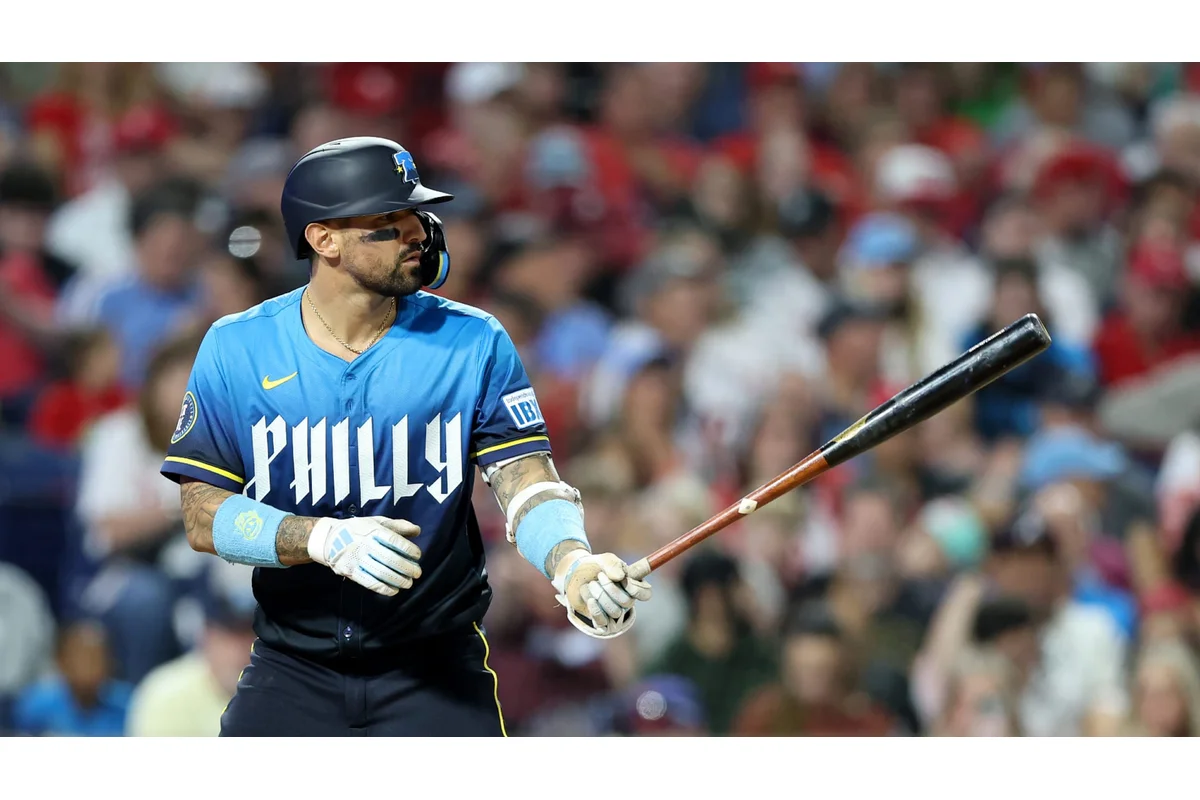
As Super Bowl LX concluded on Sunday night, millions nationwide shifted focus from football to the anticipation of Major League Baseball‘s upcoming season. This transition, deeply ingrained for generations of fans, signals the unofficial kickoff of baseball’s spring training and the promise of a new campaign. Despite this natural crossover moment, MLB once again failed to seize the unique marketing window presented by the nation’s most-watched sporting event, missing an opportunity to engage both casual viewers and dedicated fans.
Spring Training and the World Baseball Classic Offer Marketing Gold
This week marks the start of spring training, where teams commence preparation with renewed optimism, lineup battles, and hopes for a strong season. Adding to this excitement is the World Baseball Classic, an international tournament spotlighting elite players and positioning baseball as a global sport. Such an event offers MLB a prime chance to modernize its image and appeal beyond nostalgic bases. Yet rather than amplifying its presence loudly and broadly, MLB’s messaging after the Super Bowl was understated, resembling a whisper when it needed to be a shout.
“Baseball is coming …Pitchers and catchers start reporting this week! #SpringTraining pic.twitter.com/NSw2SeS0Io”
— MLB (@MLB)
Challenges in MLB’s Marketing Approach
Major League Baseball’s promotional strategy typically leans on tradition, aiming to retain established fans rather than aggressively expanding its reach. While heritage is important, this alone doesn’t cultivate new stars or fresh enthusiasm. Other sports proactively create memorable moments to captivate broader audiences, but baseball tends to wait passively, expecting attention to grow organically. This reluctance to innovate puts MLB at a disadvantage in a competitive entertainment landscape.

New NBC Sports Partnership Presents a Missed Moment
This season begins with a significant transformation for MLB broadcasts, with NBC Sports acquiring exclusive rights to Sunday Night Baseball, shifting it from ESPN to NBC and Peacock. This transition should mark a fresh start, as NBC understands event-driven programming, exemplified by broadcasting the Opening Day primetime game featuring the defending champions, the Los Angeles Dodgers, against the Arizona Diamondbacks.
On the same day as the Super Bowl, NBC announced that Clayton Kershaw, Anthony Rizzo, and Joey Votto would join its MLB coverage. These veterans carry strong name recognition and credibility. Still, despite this prime platform and network partnership, the Super Bowl broadcast offered no substantial baseball promotion after the game ended.
The absence of an MLB advertisement immediately following the Super Bowl on NBC, where an estimated 100 million viewers tuned in, highlights a critical missed opportunity to reach a vast and diverse audience.
Limited and Poorly Timed Baseball Promotion During Super Bowl Coverage
NBC aired a single, cleverly produced cross-promotion featuring Aaron Judge and network personalities dodging baseballs inside 30 Rock; however, this commercial appeared an hour before kickoff and not during the peak postgame window. For nearly five hours during and after the game, there was no meaningful mention of the upcoming baseball season on the network, missing countless chances to remind viewers about MLB’s primetime return.
“This Spring, MLB has a new home. Starting Opening Day on NBC and Peacock. See you soon. ⚾️ pic.twitter.com/4mVpLrHoJL”
— NBC Sports (@NBCSports)
Why MLB’s Subtle Messaging Falls Short
MLB recognizes its struggles in attracting broader audiences, often relying heavily on established fan loyalty and nostalgia rather than bold outreach efforts. The league might assume that winter sports audiences—like those following the Olympics or the NBA All-Star weekend—would overlap with baseball fans, but these groups often do not intersect enough to justify indirect or passive marketing tactics. For cross-promotion to succeed, MLB needs deliberate, prominent placements that break through the noise instead of relying on incidental exposure or timing.
Additional Obstacles Facing the Upcoming MLB Season
Baseball begins the 2026 season amid a series of internal challenges. Nine teams are rolling out new local broadcast arrangements due to fallout from Main Street Sports Group, risking fan confusion and potential extra costs, which may further test loyalty in certain markets. Additionally, lingering labor concerns and suspensions related to players involved with gamblers have strained trust in the sport. Competitive imbalance remains problematic, with wealthier franchises amassing top players while others fall behind. Furthermore, uncertainty hovers over the World Baseball Classic, with some countries reconsidering participation amid insurance complications.
Significance of the Super Bowl as a Marketing Opportunity
MLB’s failure to capitalize on the Super Bowl’s massive viewership represents more than just a missed ad buy; it symbolizes a broader hesitation to embrace necessary marketing urgency in a hyper-competitive sports landscape. Baseball does not need the Super Bowl to survive, but moments like these are crucial to increasing its relevance and visibility beyond the core fanbase. When America’s biggest sports stage goes silent, the next act should be ready to capture attention effectively, not wait passively for audience engagement.
Looking Ahead: Can MLB Adapt Its Strategy?
The new partnership with NBC Sports carries potential for reshaping baseball’s television future and reaching fresh viewers. However, without a shift toward a more aggressive, strategically timed promotional approach, opportunities will continue to slip away. The 2026 season will progress with or without capitalizing on these pivotal moments, but the key question remains whether MLB can broaden its impact beyond the already devoted fanbase. As this crucial window continues to pass, baseball risks repeatedly striking out in marketing efforts when it needs to be stepping up to the plate.
“Baseball needs good press, smart marketing, and a locked-in audience. The Super Bowl provided exactly that opportunity. Instead, MLB once again struck out looking.”
— John Mamola, Sports Columnist
Baseball is coming …
Pitchers and catchers start reporting this week! #SpringTraining pic.twitter.com/NSw2SeS0Io
— MLB (@MLB) February 9, 2026
This Spring, MLB has a new home. Starting Opening Day on NBC and Peacock.
See you soon. ⚾️ pic.twitter.com/4mVpLrHoJL
— NBC Sports (@NBCSports) February 8, 2026
