
As pitchers and catchers prepare to report for spring training this week, the latest 2026 MLB team power rankings reflect a transformed league shaped by recent signings and trades. Key free agents such as Kyle Tucker, Kyle Schwarber, Alex Bregman, Bo Bichette, Pete Alonso, Cody Bellinger, Framber Valdez, and Ranger Suárez have now settled into new teams, altering competitive prospects ahead of the season. These changes offer fresh insights into where all 30 franchises currently stand and the outlook for the upcoming campaign.
Rebuilding Efforts Define the Lower Tier of MLB
The Detroit Tigers remain entrenched near the bottom of the rankings despite some promising starting pitching, anchored by the tandem of Framber Valdez and Tarik Skubal. Their success hinges on whether their offensive woes can be remedied, a task made more difficult by a lineup that showed vulnerability late last season. Tigers’ prospects Kevin McGonigle and Max Clark may soon contribute, but for now, offense continues to be a glaring concern.
Similarly, the Washington Nationals continue a challenging rebuild under new president Paul Toboni. With the departure of MacKenzie Gore and little indication of competitive ambition for 2026, they potentially face a struggle rivaling that of the Colorado Rockies for the league’s worst record. Despite new additions like Willi Castro, Michael Lorenzen, Jake McCarthy, and Edouard Julien aiming to improve team competence, on-field success remains distant.
The Los Angeles Angels’ offseason strategy centered on signing reclamation projects and blending in new leadership under manager Kurt Suzuki, who brings no prior professional coaching experience. While hopes rest on Mike Trout’s health and trade acquisition Grayson Rodriguez’s contributions, repeated playoff absences cast doubt on the franchise’s immediate prospects.
The St. Louis Cardinals, under new baseball operations chief Chaim Bloom, have entered a full-scale roster transformation. This overhaul includes trading away key contributors like Willson Contreras, Sonny Gray, Nolan Arenado, and Brendan Donovan, prioritizing future pitching assets over present competitiveness. Although difficult to watch for fans, this approach aims to restore the farm system’s depth.
Promising Youth Powers Potential Rebounds
The Chicago White Sox’s young talents, including Colson Montgomery, Kyle Teel, Chase Meidroth, and All-Star Shane Smith, gained attention after a challenging season. Even after trading Luis Robert Jr., the club’s acquisition of Japanese slugger Munetaka Murakami and reinforcements to a depleted pitching staff fuel optimism as they await top pitching prospects Hagen Smith and Noah Schultz.
Miami Marlins continued building for the future last winter, trading Edward Cabrera and Ryan Weathers while showcasing an exciting young outfield featuring Kyle Stowers, Jakob Marsee, and Owen Caissie. After exceeding expectations with a rookie-heavy roster in 2025, the Marlins may once again surprise as they develop their emerging stars.
The Minnesota Twins experienced a turbulent offseason, having dismantled their bullpen mid-season without adequately addressing those deficiencies during the winter. Additionally, the sudden departure of their team president shortly before spring training raises questions about stability and the ability to rebound effectively in 2026.
Middle-Tier Teams Adjust Rosters Amid Varied Prospects
The Tampa Bay Rays are reinventing their roster after significant offseason turnover, replacing vital players such as Brandon Lowe and Shane Baz with new names including Gavin Lux and Cedric Mullins. While their talent evaluation has historically been strong, meaningful progress in 2026 remains uncertain given these changes.
The Pittsburgh Pirates’ front office, led by owner Bob Nutting and general manager Ben Cherington, has focused on upgrades around their Cy Young winner Paul Skenes. Additions like Brandon Lowe, Ryan O’Hearn, Marcell Ozuna, and Jake Mangum represent clear enhancements to a lineup that has long struggled offensively, though bullpen concerns linger following a 4.82 ERA allowed by their pitchers last year.
The Oakland Athletics field a promising lineup featuring Corbin Carroll, Ketel Marte, Geraldo Perdomo, and Nolan Arenado. While their young sluggers are among the league’s best, pitching remains a challenge. The team has made few improvements to their pitching staff, leaving questions about whether they can outscore opponents consistently.
The Cincinnati Reds invested in offensive firepower by acquiring power hitters such as Elly De La Cruz and Eugenio Suárez, though missing out on Kyle Schwarber was a setback. The addition of Tyler Mahle and Adrian Houser shored up rotation depth, and Harrison Bader brings defensive improvement in the outfield. Whether these elements will propel new manager Tony Vitello to a postseason berth remains to be seen.
Contenders Bolster Key Areas Despite Challenges
The San Francisco Giants strengthened their rotation with Tyler Mahle and bolstered the outfield with Harrison Bader and Luis Arraez, but questions persist about whether this will be enough to overcome recent playoff droughts. Maintaining health across the starting staff is critical to their 2026 ambitions.
The Kansas City Royals put an emphasis on offense to support their young star Bobby Witt Jr., bringing in Isaac Collins, Lane Thomas, and Kameron Misner. Improvement in the outfield, which was historically the worst hitting in MLB last year, is essential if they hope to rise in the standings. Adjustments to the ballpark’s dimensions are also under consideration to aid offensive production.
The Cleveland Guardians secured José Ramírez for the long term but face offensive challenges as the roster remains thin beyond him. Despite ranking near the bottom in runs scored last season, the team defied expectations to clinch their division through disciplined play and strong management under reigning Manager of the Year Stephen Vogt.
The Texas Rangers made aggressive offseason moves, trading for MacKenzie Gore and acquiring prospects to bolster a rotation that has been a team strength. Their main hurdle will be whether players like Wyatt Langford, Evan Carter, and Josh Jung can develop into reliable offensive contributors.
Uncertain Prospects Among Established Franchises
The San Diego Padres experienced a quiet winter, likely due to ongoing sale explorations. President A.J. Preller may still seek to enhance a rotation that lost Dylan Cease, but without significant additions, it is difficult to foresee them matching last season’s challenge to the Dodgers.
The Houston Astros face questions about their infield depth with five players competing for four spots. Having lost Framber Valdez, the club leans on additions such as Tatsuya Imai, Mike Burrows, and Ryan Weiss for rotation depth. Managing this surplus while attempting a return to postseason form remains a pressing task.
The Atlanta Braves confront injury concerns following Ha-Seong Kim’s unexpected hand injury and an offseason that didn’t address remaining staff vulnerabilities. Nonetheless, their talent base keeps hopes high for a rebound in 2026.
Surge in Activity Among Playoff Hopefuls
The Baltimore Orioles addressed key needs with power hitter Pete Alonso, closer Ryan Helsley, corner outfielder Taylor Ward, and rotation depth through Shane Baz. Their remaining question is whether this group includes a genuine ace to anchor their staff.
The Philadelphia Phillies retained core contributors like Kyle Schwarber and J.T. Realmuto while counting on the bounce-back of Adolis García and the rise of rookie Justin Crawford to strengthen their outfield. Their rotation should improve with the additions of Ranger Suárez, Sonny Gray, and Johan Oviedo, although the failure to re-sign Alex Bregman leaves a notable gap.
The Boston Red Sox’s rotation gained depth after acquiring Suárez, Gray, and Oviedo, yet their inability to re-sign Bregman and failure to resolve a surplus of left-handed outfielders raise questions. Despite this, the talent assembled offers a credible challenge in the highly competitive AL East.
Team Strategies Reflect Ambition and Caution
The Milwaukee Brewers continue their pattern of success despite offseason losses of key arms Freddy Peralta, Caleb Durbin, and Isaac Collins. Their limited spending beyond retaining Brandon Woodruff leaves uncertainty about whether they can maintain their division dominance after consistently winning 90-plus games over recent years.
The Chicago Cubs made bold moves by signing Alex Bregman and Edward Cabrera while dramatically overhauling their bullpen. Positioned to finally challenge the Brewers in the Central Division, this revamped roster presents a credible threat not seen since 2020.
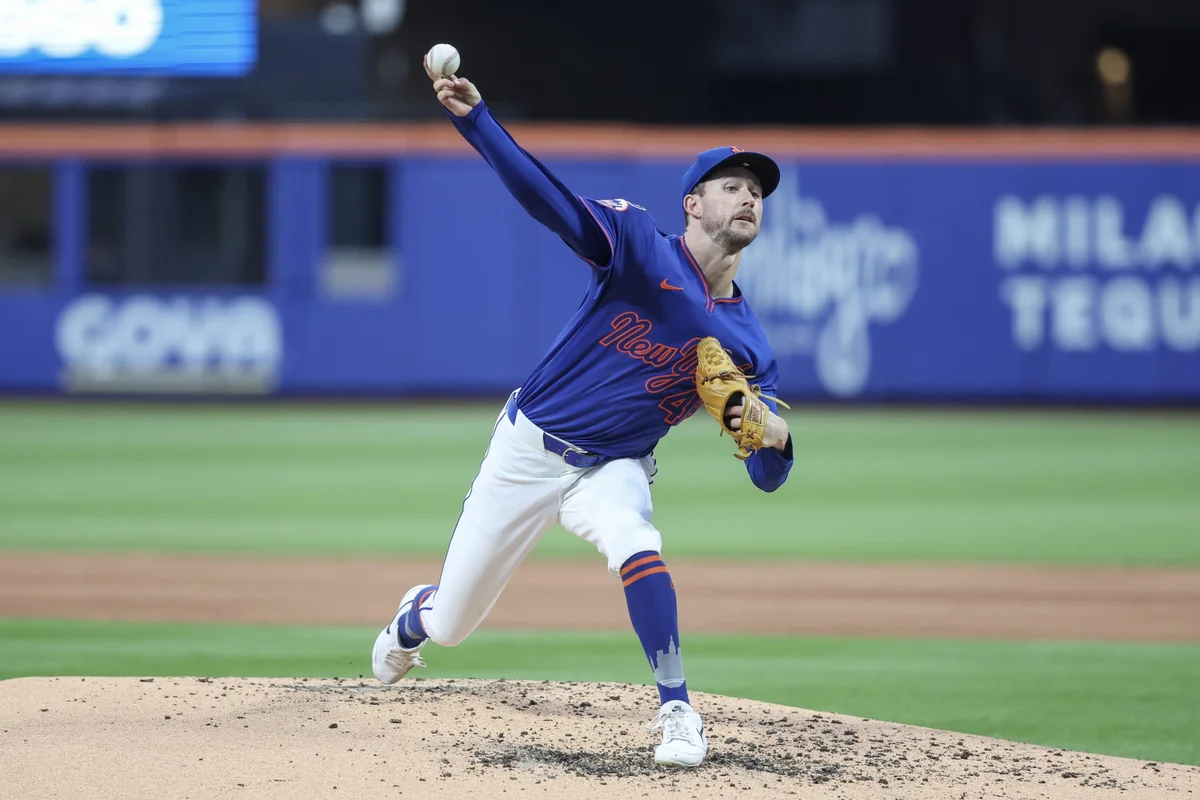
The New York Mets, after a slow offseason start marked by losing Pete Alonso and Edwin Diaz, invigorated their lineup by signing Bo Bichette and trading for Freddy Peralta and Luis Robert Jr. Integrating these new pieces and navigating position changes will be a major storyline in 2026.
The New York Yankees face uncertainty until the health of key arms Gerrit Cole, Carlos Rodón, and Clarke Schmidt is determined. Offensively stable, the team has chosen to run back much of last year’s lineup despite notable bullpen departures. The addition of Ryan Weathers provides early-season rotation support.
Teams Poised for Growth and Continued Success
The Seattle Mariners moved decisively in the offseason by re-signing Josh Naylor and acquiring Brendan Donovan, addressing infield issues created by departures of Eugenio Suárez and Jorge Polanco. Opting for contact over power suits their profile as strikeout leaders and positions them to build on their first division title since 2001.
The Houston Astros and Seattle Mariners both upgraded pitching staffs but face questions about how evolving lineups and health challenges will impact their postseason ambitions. For many teams, balancing hopeful rebounds with roster realities underscores the intensity and anxiety surrounding the 2026 spring training period.
The reigning AL champions also faced questions after not retaining stars like Kyle Tucker and Bo Bichette. However, targeted pitching improvements provide optimism that they can remain competitive in the upcoming season.
Meanwhile, the Los Angeles Dodgers acted aggressively by signing Kyle Tucker and Edwin Diaz, addressing two critical weaknesses while maintaining a mostly unchanged roster. This positions them as the clear favorite to secure a third consecutive World Series title in 2026.
Implications for the 2026 Season and What to Watch
As spring training begins, the 2026 MLB team power rankings highlight a league in flux, with rebuilding teams working to develop young talent and contenders seeking to solidify key pieces. Organizations like the Dodgers and Brewers project stability and championship aspirations, whereas many others face urgent questions about health, pitching depth, and offensive consistency.
Offseason moves, from blockbuster trades to strategic signings, will be tested on the field as teams balance ambition with cautious roster management. The integration of high-profile free agents alongside emerging prospects will play a crucial role in shaping playoff races and potential surprises.
The development of pitching staffs, particularly rotations and bullpens, appears decisive for many franchises, while offensive production remains uneven across the league. With so much at stake, the 2026 MLB spring training promises to be a high-stakes proving ground where teams separate those destined for contention from those grappling with persistent challenges.
