
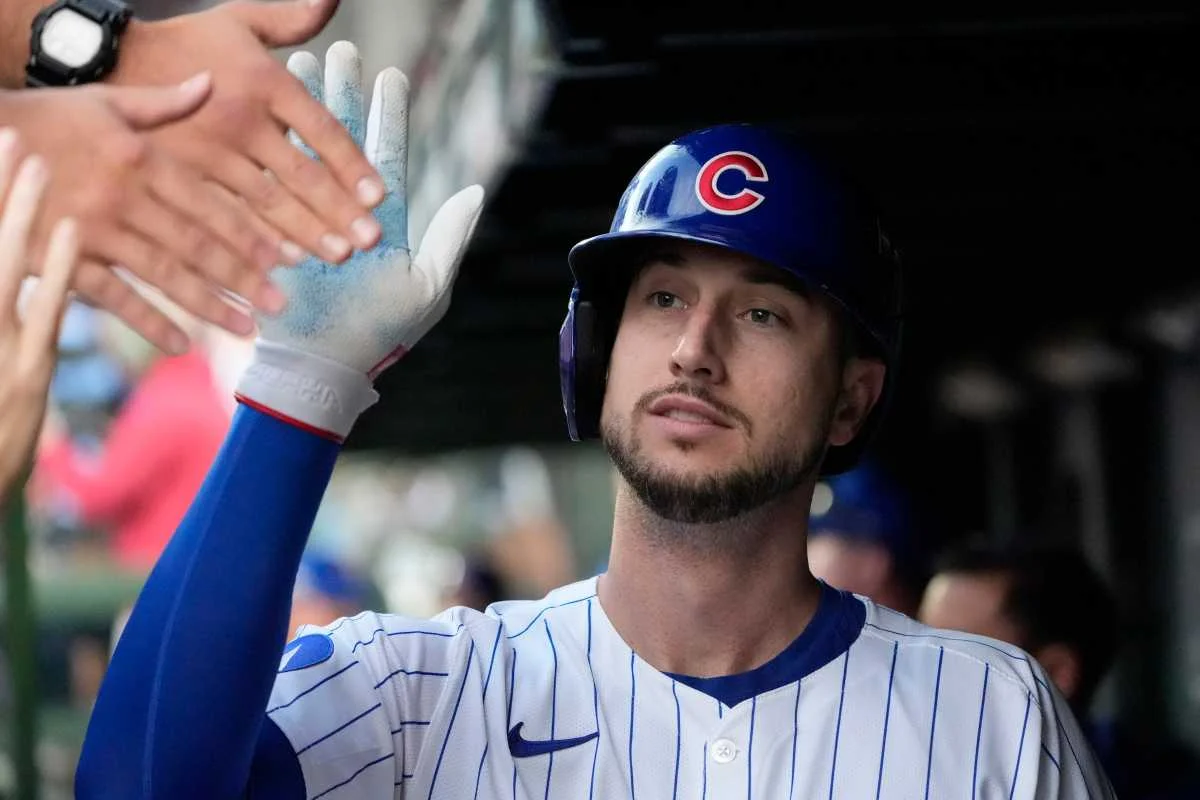
In the aftermath of Kyle Tucker’s groundbreaking contract with the Los Angeles Dodgers this offseason, tensions have intensified across Major League Baseball, highlighting widespread dissatisfaction with the sport’s economic landscape. Fans, disgruntled owners, and players each express frustration as debates over fairness and competitive balance escalate nationally, setting the stage for a labor confrontation before the current collective bargaining agreement expires on December 1.
Among the fanbase, resentment brews not only online but in private discussions nationwide, centering on the Dodgers’ unprecedented spending power following their back-to-back World Series triumphs. Many admire elements of today’s game—such as the pitch clock innovations, the rise of talents like Shohei Ohtani and Aaron Judge, and the vibrant live atmosphere—but question whether the playing field is truly level.
Owners Push for a Salary Cap to Transform Franchise Values and Parity
On the ownership side, frustration stems from a comparative slowdown in franchise valuation growth against other major sports leagues. Owners largely advocate for a salary cap, convinced it would stabilize labor costs and curb what they see as an unsustainable chase for top-tier payrolls exemplified by the Dodgers’ $500 million annual spending. They believe imposing a cap would foster competitive balance and enhance franchise value, even at the risk of compromising upcoming seasons. One senior team official expressed this resolve starkly, stating,
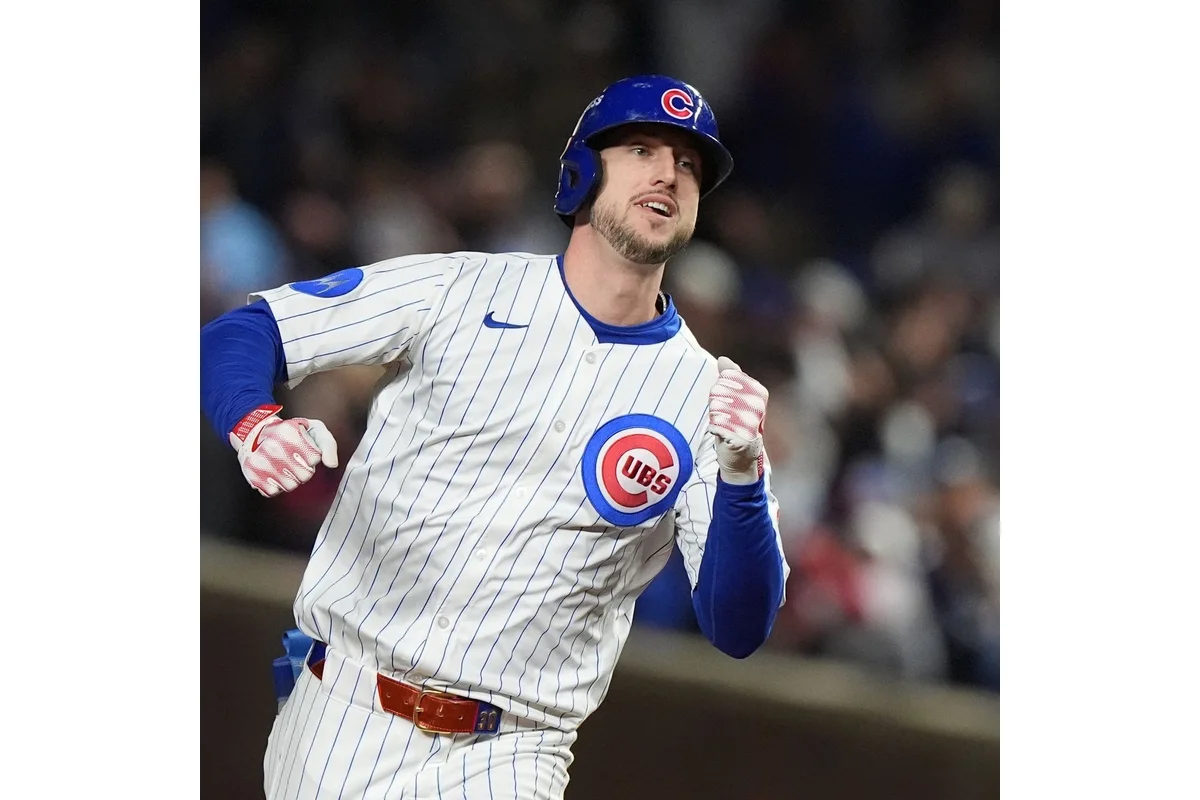
“They are ready to burn the f—ing house down.”
Player Concerns Over Lockout and Fair Compensation Under Threat
Players face mounting worry about a potential lockout triggered by the expired collective bargaining agreement, combined with the looming likelihood that owners will insist on a salary cap. Despite public polling that shows considerable fan support for a cap—largely due to familiarity rather than reasoned argument—players argue they deserve to fairly share in MLB’s substantial $12 billion-plus annual revenue. They resent proposals to limit their earnings, especially considering that just four years ago, all owners unanimously approved the current labor framework. Their foremost desire remains uninterrupted play and equitable compensation.
Baseball’s Paradox: Strong Popularity Amid Growing Conflict
Major League Baseball currently balances a paradoxical state: while progressing toward its most intense labor dispute since the 1994 strike, the sport simultaneously experiences growth in popularity, especially among younger fans. Innovations like the pitch clock, thrilling star players, the World Baseball Classic, and compelling storylines contribute to a resurgence in interest at home and abroad, particularly in Japan. Despite this, the Dodgers’ dominance casts a long shadow, with their continuous success prompting frustration across fanbases. The cyclical repetition of offseason spending followed by World Series victories fuels perceptions of imbalance and entitlement.
How the Dodgers Became Baseball’s Financial Juggernaut
Los Angeles has risen to an empire within MLB’s current economic system by combining vast financial resources with organizational expertise. Their approach exemplifies how capital and operational skill potentiate unparalleled success, creating a “Death Star” effect that overshadows the rest of the league. While the Dodgers lead in payroll, staffing, farm systems, and facilities, other teams face difficulty competing due to limited financial capacity or unwillingness to engage in long-term deficit spending.
Other Teams’ Spending Highlights and the Impact of Dodgers’ Deal for Kyle Tucker
Outside of Los Angeles, several franchises also invested heavily this offseason, such as Baltimore and Toronto, which actively pursued high-priced free agents. The Pittsburgh Pirates even broke a decade-long streak by signing a multiyear contract. Still, these transactions seem secondary compared to the Dodgers’ landmark pact with Kyle Tucker, a four-time All-Star and the top free agent available.
Tucker’s decision defied precedent. Toronto had offered a straight 10-year, $350 million contract without deferred payments, while the Dodgers proposed a four-year deal guaranteeing $240 million, including significant signing bonuses and deferrals. Meanwhile, the New York Mets offered $220 million over four years with a larger upfront bonus but no deferrals. Tucker’s choice to accept the Dodgers’ offer, featuring opt-out clauses after the second and third seasons, demonstrated a strategic bet on maximizing earnings flexibility amid peak career years.
Contract Comparisons Illustrate Shifts in MLB Free Agency Dynamics
Tucker’s deal, while colossal, stands in contrast to other recent contracts involving star players. Shohei Ohtani’s contract, though the highest in per-year value, includes decades of deferrals, reducing present salary impact. Juan Soto’s $765 million contract with the Mets eclipses others with no deferrals, setting new records. The Dodgers and Mets, owned by billionaire investment groups—Guggenheim Partners and hedge-fund magnate Steve Cohen respectively—capitalize on their financial clout to secure top talent decisively. Their resourcing philosophy emphasizes exploiting even the smallest advantages in a system where money can translate directly into sustained success.
Cash Flow Strategies and Luxury Tax Implications for High-Spending Teams
Both the Dodgers and Mets wield financial tools such as signing bonuses and payment deferrals, which mitigate luxury tax burdens by lowering annual salary calculations. For instance, Major League Baseball requires the Dodgers to hold $44 million annually in escrow to fulfill deferred obligations to Ohtani. This cash flow flexibility is something less affluent teams cite as an operational constraint, limiting their ability to engage in similar contracts.
Over the last five seasons, the Mets have spent nearly $1.79 billion on player salaries and luxury tax penalties, slightly surpassing the Dodgers’ $1.72 billion. The gap between these top spenders and others is vast—the Yankees trail by almost $200 million, and small-market clubs like the Oakland Athletics and Pittsburgh Pirates have paid considerably less, highlighting the league’s deep financial divides.
Understanding the Scale of Payroll Disparities in MLB
The Dodgers’ Kyle Tucker contract alone will cost the team $119.9 million against luxury tax payroll calculations, a cost exceeding the projected 2026 payrolls of ten MLB teams. These disparities fuel divisive sentiments, as no formal rules prevent imitation, but widespread reluctance to operate in deficit differentiates the Dodgers and Mets from their competitors. This polarization drives calls for a salary cap to curtail runaway spending and level competition.
The Role of the Dodgers as the Focal Point in Salary Cap Debates
The Dodgers act as the primary target for those advocating a salary cap. Statistics underpinning the cap argument include the fact that over half of playoff teams since 2000 had top-10 payrolls and that 12 of the last 15 World Series champions belonged to this group. League success correlates strongly with payroll allocations, more so than in other professional sports.
Players Present Counterarguments on Competitive Balance and Spending Impact
Players highlight examples where teams with moderate or low payrolls have achieved substantial success, including the 2025 Milwaukee Brewers with a payroll ranking 23rd and the Cleveland Guardians‘ consistent division titles despite spending conservatively. The Tampa Bay Rays frequently exceed expectations, winning more games than their modest payroll would predict. Historical trends indicate more MLB franchises have won championships since 2000 compared to the NHL, NFL, and NBA, underscoring that financial might, while impactful, is not determinative.
Players contend that playoff outcomes exhibit baseball’s inherent unpredictability, countering the notion that expensive rosters guarantee success.
Dodgers’ Post-2023 World Series Strategy Reflects Aggressive Investment
After their 2023 World Series loss, the Dodgers responded swiftly by signing top talent including Ohtani, Tucker, Yoshinobu Yamamoto, Blake Snell, Tyler Glasnow, Tommy Edman, Tanner Scott, Edwin Díaz, and Roki Sasaki, committing more than $1.8 billion. To contextualize, this sum exceeds what several franchises have spent over the entire 21st century, emphasizing the scale of the Dodgers’ financial firepower.
Core Dispute Between Player Union and Owners Over Financial Control
The ongoing negotiation stalemate centers on fundamentally different views: the players’ union sees team-building strategies as owner prerogatives and focuses on ensuring player compensation remains uncapped, while owners pursue structural limits to curb spending. The union emphasizes that high-profile contracts like those of Ohtani, Soto, and Tucker were secured in an uncapped system, making proposals for caps unpalatable.
Feasibility and Consequences of Introducing a Salary Cap in MLB
Major League Baseball’s argument that a salary cap would increase overall player earnings rests on the presence of defined financial pools and revenue splits, similar to models in the NFL, NHL, and NBA, each with varying cap flexibilities and constraints. While a generous cap structure might convince some players, skepticism runs deep due to entrenched opposition cultivated over years of anti-cap messaging.
Economic analyses, such as a 2011 study from Middle Tennessee State, have found no concrete causal link between salary caps and competitive balance, challenging the core rationale for such a system in baseball. Furthermore, implementing a cap carries risks of salary reductions and revenue shortfalls, as demonstrated recently in the NBA.
Challenges in Designing a Balanced Cap and Floor System
Hypothetical scenarios illustrate the difficulty in satisfying all parties: a $280 million cap paired with a $150 million floor might preserve current league-wide player spending, but would demand significant increased spending from low-revenue teams like the Marlins, Athletics, and Rays, potentially causing resistance. Meanwhile, high-spending teams would lose tens or hundreds of millions annually. The disparity resulting from even these measures would remain large, diluting claims of genuine competitive balance.
MLB Leadership Seeks a Middle Ground Amid Owner Divisions
The league’s labor relations department acknowledges owner factions: some are staunchly pro-cap, others favor controlled spending without hard limits. Awareness grows that bluntly imposing a cap threatens negotiations and league stability. Instead, the preferred approach may involve incremental compromises that delay contentious issues, provide temporary concessions to players, and set the stage for future discussions with a stronger bargaining position.
Television Rights as a Potential Financial Game Changer
Commissioner Rob Manfred envisions a strategy resembling the NFL’s consolidation of local broadcast rights, intending to combine all MLB rights into a comprehensive package after current national deals expire in 2028. The entrance of streaming giants such as Amazon, Netflix, Apple, alongside traditional networks like ESPN, NBC, and Fox, could dramatically elevate MLB’s media revenue from its current $1.8 billion baseline.
This influx could enable more effective revenue sharing designed with competitive balance in mind, soothing tensions among lower-revenue teams. A robust broadcast revenue stream strengthens MLB’s financial foundation and, importantly, its appeal to both fans and franchise owners. One team president reflected on this potential, asserting,
“The only reason I’m confident we’re not going to miss games, is because of what TV can do for us.”
Baseball’s Future Hinges on Adaptability and Cooperation
The critical choice facing MLB is less about capping player salaries and more about evolving in a way that maintains fan engagement and competitive integrity. Prolonged alienation of supporters, prioritization of franchise valuations over game fairness, and denial of payroll disparities by both owners and players risk long-term decline. Constructive dialogue, transparency, and innovative thinking are imperative to repair a strained relationship between the league and its union.
Owners’ Resolve and Fan Expectations Set Stakes for Upcoming Negotiations
Owners, determined to overhaul a system unchanged for more than fifty years, approach negotiations with urgency and intensity, fully aware they bear the responsibility for baseball’s continuity. As fans collectively implore,
“Whatever it takes, please just figure it out and don’t screw up our game,”
the path forward will demand compromise and vision to preserve baseball’s place in sports culture.
