
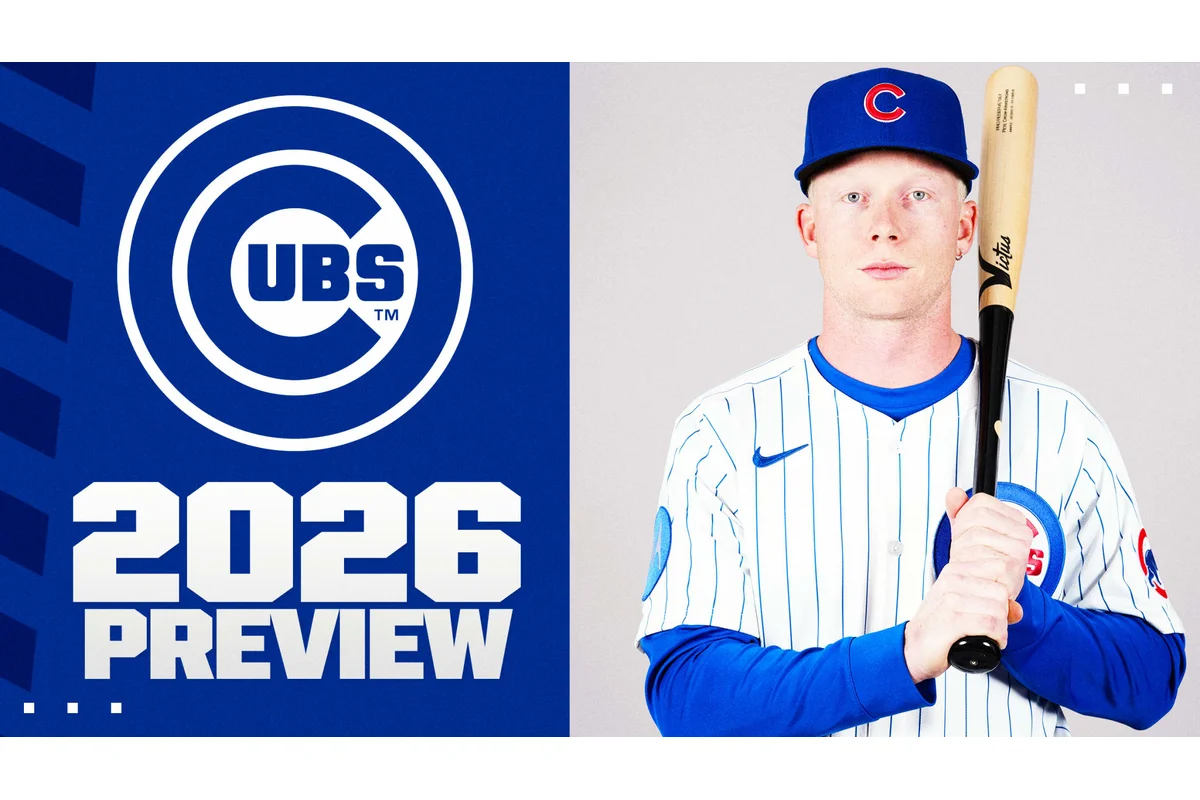
As the Chicago Cubs gear up for the 2026 season, spring training at Sloan Park in Mesa is in full swing, offering a glimpse into how the team is shaping up ahead of Opening Day at Wrigley Field. Following a strong 2025 season where the Cubs won 92 games and advanced to the NLDS, much interest revolves around how the team’s roster changes and new strategies will influence their performance this year.
The Chicago Cubs spring training is crucial for answering questions about roster spots, player health, and team chemistry, especially after the additions of key players like Alex Bregman and Edward Cabrera. This preseason period will likely reveal how manager Craig Counsell will piece together his lineup and bullpen, setting the tone for a campaign filled with hope but also uncertainty.
Evaluating the Cubs’ Pitching Roster and Rotation Depth
Chicago’s pitching staff was a major strength in 2025, finishing among the top 10 in starting pitcher ERA and limiting opposing hitters with an MLB-best 1.14 WHIP. Matthew Boyd and Cade Horton both had solid contributions, though Boyd’s effectiveness declined later in the season, and Horton’s fractured rib just before the playoffs was a significant blow.
Those pitching difficulties played a role in the Cubs’ fall to the Milwaukee Brewers in October, prompting the front office to bolster the rotation by acquiring Edward Cabrera from the Miami Marlins. Cabrera is seen as a promising supplement to an already competitive group and is expected to compete for a starting role during spring training.
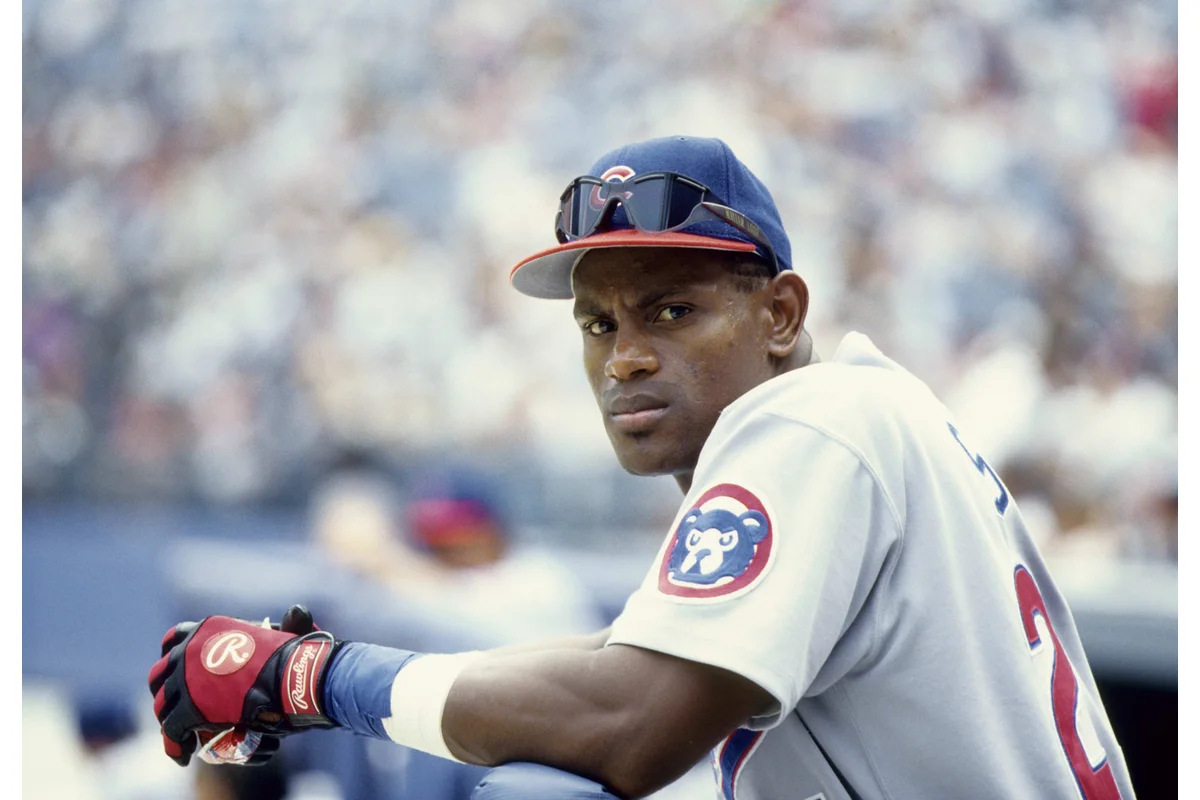
Another key figure to monitor is Shota Imanaga. After a standout rookie season in 2024, when he posted a 2.91 ERA and earned an All-Star nod along with a fifth-place finish in NL Cy Young voting, Imanaga struggled with health and performance issues in 2025. His velocity dipped, his ERA+ dropped to 103, and he missed time due to injuries. The Cubs and their fans will be watching closely in spring training to see if he can regain his form and velocity to return to his prior level of excellence.
The bullpen has also undergone significant changes. The departure of Brad Keller, the team’s top reliever by bWAR in 2025, along with Drew Pomeranz, leaves some gaps. Meanwhile, returning arms like Caleb Thielbar, who posted a 2.64 ERA and 0.879 WHIP over 58 innings, and closer Daniel Palencia, who saved 22 games in 24 attempts, offer some stability.
To address the losses, general manager Jed Hoyer signed several veterans on short-term deals, including Hoby Milner, Phil Maton, Hunter Harvey, and Jacob Webb. Meanwhile, Shelby Miller, another acquired arm, is expected to miss the entire season with injury. Spring training provides a vital opportunity to see how these pieces will fit and whether the bullpen can maintain its strong reputation heading into the new year.
Assessing Pete Crow-Armstrong’s Adjustments and Offensive Development
One of the most intriguing storylines of Cubs spring training centers on outfielder Pete Crow-Armstrong (PCA). His 2025 season was notable, marked by a rare 30-30 achievement—only the second player in Cubs history to accomplish this—and a Gold Glove award in center field.
While his overall numbers dazzled early in the year, a closer look shows some unevenness that sparked concern. PCA’s first half featured an impressive .846 OPS, 50 extra-base hits, and 25 home runs, earning him the starting center field spot for the National League at the All-Star Game. However, his second-half production saw steep declines, including a .643 OPS, 22 extra-base hits, and just six home runs. His playoff slump was even more pronounced, with a .185 batting average and a strikeout rate exceeding 40%.
Crow-Armstrong ended the season with 155 strikeouts compared to 29 walks, pointing to a need for greater plate discipline. The Cubs are eager to see if he has worked on patience and selectivity during the offseason, as his game’s success hinges more on getting on base and using his speed rather than chasing every power opportunity.
Spring training will be the first chance to observe whether PCA has shifted his approach to build on his power without the excessive strikeouts, which could make him a more consistent threat this season.
Examining the Impact of Alex Bregman’s Arrival on the Infield
The addition of Alex Bregman marks a major offseason move for the Cubs, who have now signed back-to-back multi-time All-Stars, following last year’s acquisition of Kyle Tucker. Bregman agreed to a five-year, $175 million contract and is projected to be the starting third baseman, anchoring an infield alongside Dansby Swanson, Nico Hoerner, and Michael Busch, who together recorded a combined 18.8 bWAR in 2025.
Though Bregman’s 2025 season was hampered by a right quad strain in late May, sidelining him until about the All-Star break, his performance when healthy was impressive. Prior to injury, he posted a .299/.385/.553 slash line with a .938 OPS. After returning, his statistics dropped to a .250/.338/.386 slash line and a .724 OPS, which illustrates the lingering effects of the setback.
The Cubs are counting on Bregman’s veteran leadership and postseason experience from over 100 playoff games to provide momentum and stability, helping the team push beyond recent plateaus. The coming weeks of spring training will be vital for Bregman to reestablish his health, timing, and role as a clubhouse leader as the regular season approaches.
Determining Matt Shaw’s Role Amid Position Shifts and Roster Changes
Matt Shaw’s place on the 2026 Cubs roster is one of the more uncertain topics at spring training. Shaw started nearly every game at third base in 2025 and showed significant growth after a tough start in the majors. However, with Bregman now occupying third base, Shaw enters the new season without a clear everyday position.
The team has a vacancy in right field following the departure of Kyle Tucker, but Seiya Suzuki has already received considerable time there, making it unlikely that Shaw will hold down a full-time spot. Instead, he is expected to serve as a valuable super-utility infielder, providing depth across multiple positions and stepping in as needed due to rest days or injuries.
Spring training will give fans their first look at how the Cubs plan to utilize Shaw’s versatility and how he will contribute to Chicago’s roster flexibility during the season.
With these storylines unfolding at Sloan Park, Chicago’s spring training offers an intense preview of how the Cubs hope to build on last year’s successes while addressing lingering questions in pitching, offense, and roster roles. The mix of experienced veterans like Alex Bregman and promising young players such as Pete Crow-Armstrong creates both anticipation and cautious optimism as the Cubs chase another playoff run.
