
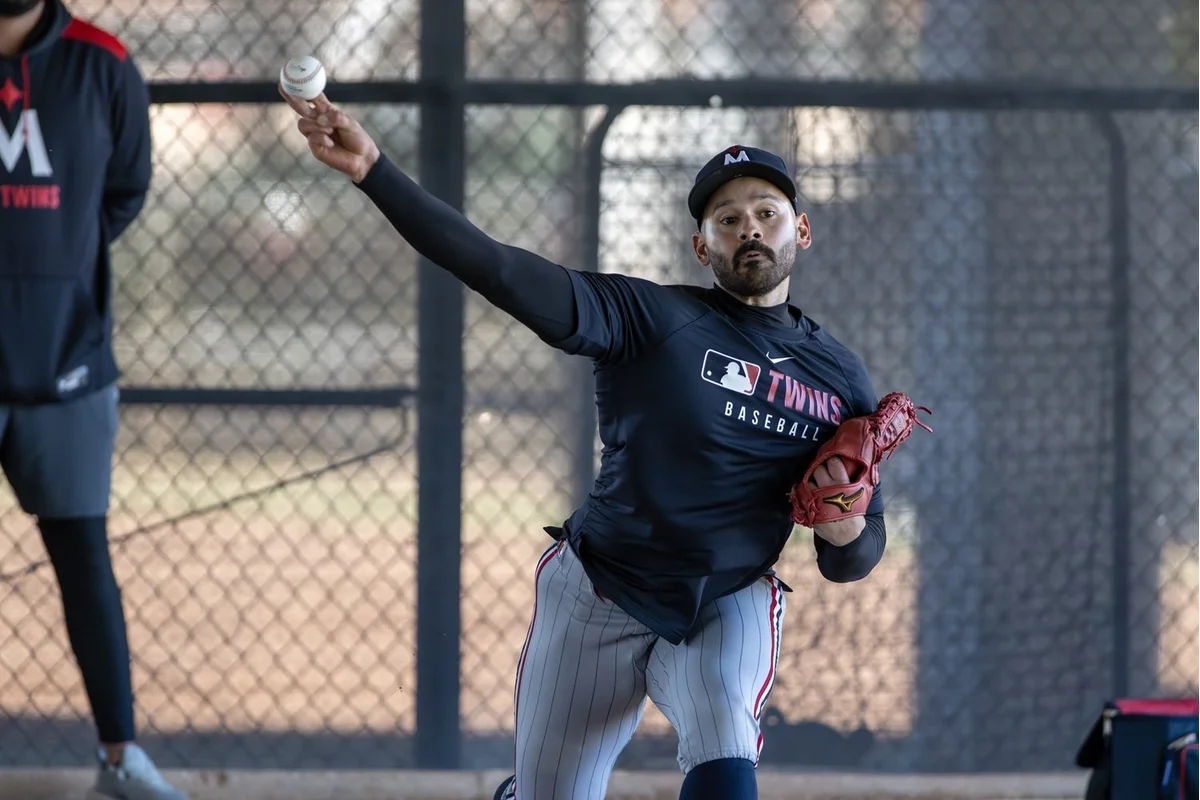
The Minnesota Twins are actively considering whether to offer Pablo López a contract extension despite his impending absence due to Tommy John surgery, which will sideline him for the entire 2026 season. This decision comes as the team remains focused on competing for playoff spots this year and looks ahead to securing critical assets for the future.
Owner Tom Pohlad has emphasized the organization’s determination to contend soon, a stance that previously led to significant leadership changes, including the departure of president of baseball operations Derek Falvey. Against this backdrop, López’s contract situation is one of the most important challenges facing the front office.
Career and Injury History Shapes Contract Discussions
López, acquired from the Miami Marlins in January 2023 in exchange for Luis Arraez, quickly established himself as a cornerstone of Minnesota’s rotation. Over three seasons, he has maintained a 3.68 ERA and demonstrated strong underlying metrics, including a 26.8% strikeout rate and a ground ball rate exceeding 43%. Advanced statistics such as SIERA and FIP indicate his performance may be even stronger than basic numbers suggest.
However, López’s 2025 season was derailed by injuries, beginning with a Grade 2 teres major strain that sidelined him for about three months. After returning briefly in September, he ended the season on the injured list with a minor forearm strain. The team noted he could have pitched through this injury if they were in playoff contention, but since that was not the case, they prioritized his long-term health.
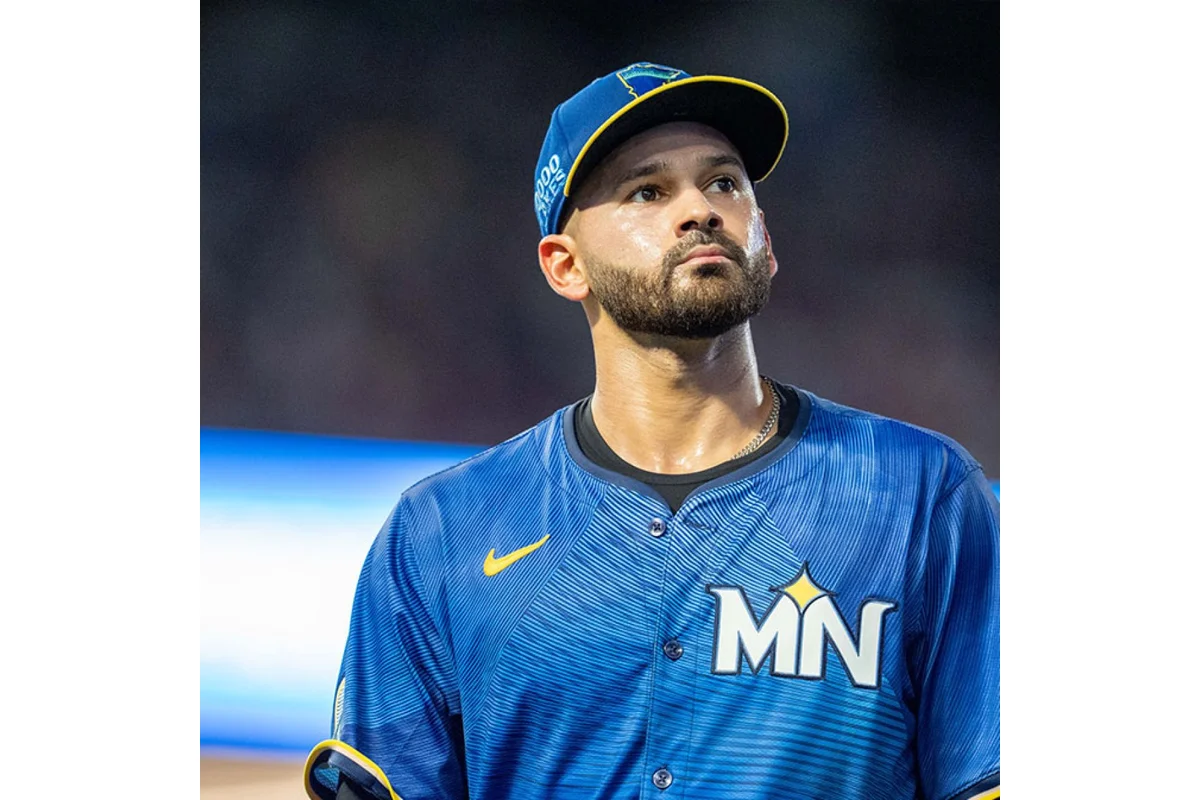
This upcoming absence for a second Tommy John surgery, a procedure López previously underwent more than ten years ago, coincides with the final year of the four-year extension he signed following his trade to Minnesota. His return in 2027 will coincide with the conclusion of that deal, heightening the urgency to decide whether to renegotiate now or wait for clearer evidence of his health and performance.
Potential Contract Models and Precedents
The Twins may look to precedents for managing contracts of pitchers recovering from major surgeries. A recent example is the Cleveland Guardians’ arrangement with Shane Bieber, which guaranteed $10 million for 2025, included a $16 million player option for 2026, and featured a $4 million buyout. This structure balanced the team’s financial risk with the player’s security during rehabilitation.
Bieber’s deal allowed Cleveland to retain potential upside while providing the player peace of mind, a framework Minnesota could adapt to López’s situation as he approaches free agency in 2027 and beyond. This approach would cover the post-surgery seasons 2027 and 2028, giving both sides flexibility amid uncertainty.
Advantages of Extending López Before Return
Offering López a contract extension now would ensure financial security for a player facing considerable medical uncertainty following his second elbow reconstruction. It would also reward a key leader respected both on and off the field, reinforcing the organization’s commitment to its core contributors.
From Minnesota’s perspective, negotiating before López’s return creates the opportunity to acquire him at a lower cost than if they waited for proven post-surgery performance. This “buy-low” strategy could yield significant value if he regains his pre-injury form and continues to anchor the rotation.
Moreover, publicly supporting López could enhance the team’s internal culture, signaling that leadership and dedication are highly valued. For an ownership group intent on annual competitiveness, backing such a player would align with their vision and send a strong message to fans and teammates alike.
Risks and Reasons to Delay Contract Decisions
The primary risk in extending López lies in the unpredictability surrounding his recovery from a second Tommy John surgery. When the 2027 season begins, he will be nearly two years removed from sustained health, raising legitimate concerns about his durability and effectiveness going forward.
Deferring an extension until López proves his fitness during the 2027 campaign could allow Minnesota greater certainty, albeit likely at a higher financial cost. Meanwhile, the Twins must consider the need to allocate resources elsewhere, as several important players are approaching salary arbitration or free agency.
This decision fundamentally reflects how the franchise perceives its competitive timeframe. If leadership believes the team’s window remains open beyond the next couple of years, extending López now could solidify the pitching staff and provide continuity in key clubhouse leadership.
Weighing the Future of the Twins’ Rotation and Leadership
Pablo López has become one of the Twins’ most reliable starters and a respected figure within the clubhouse, making his contract situation critical to Minnesota’s long-term blueprint. The team must balance financial and medical considerations with its ambition to sustain a winning culture.
The coming months will reveal whether the Twins opt to secure López through an early extension akin to Cleveland’s arrangement with Shane Bieber or wait until he demonstrates health and effectiveness on the mound in 2027. Either path will signal the organization’s confidence in its competitive trajectory and commitment to its players.
