
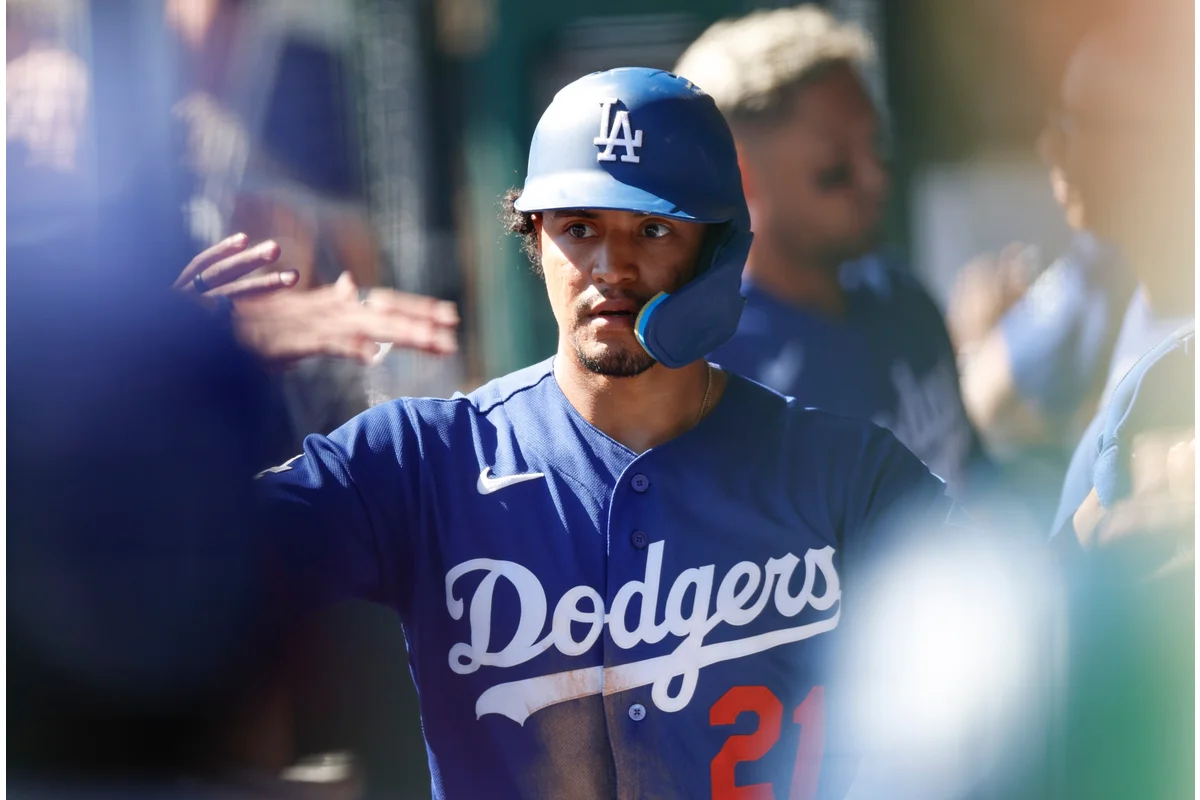
As fantasy baseball managers prepare for the 2026 season, caution is warranted when considering players like Texas Rangers shortstop Corey Seager, whose persistent durability issues and inconsistent playing time create significant fantasy risk. Alongside Seager, other notable players face uncertainties that could impact their fantasy value this year. These factors make the decision to draft such athletes early a gamble, especially as teams prioritize proven reliability and sustained production.
Seager, despite his solid production when healthy, has appeared in at least 125 games in only one of the last five seasons, raising doubts about his sustainability as a foundational fantasy asset. His challenges exemplify larger trends with several key players across various positions whose injury histories, aggressive playing styles, or declining metrics suggest they are best avoided or drafted later than their average draft positions currently indicate.
Evaluating Pete Crow-Armstrong’s Upside and Risks
Last season’s standout in the fantasy community, Chicago Cubs outfielder Pete Crow-Armstrong, impressed with a rare combination of power and speed, finishing with 31 home runs and 35 stolen bases—the coveted 30/30 milestone. However, this peak was shadowed by critical concerns: a notably weak walk rate of 4.5%, which ranked among the lowest for qualifiers, and a highly aggressive approach at the plate. After a torrid first half where he posted a .265/.302/.544 slash line, Crow-Armstrong sharply declined in the second half, hitting just .216/.262/.372 with fewer home runs and stolen bases.
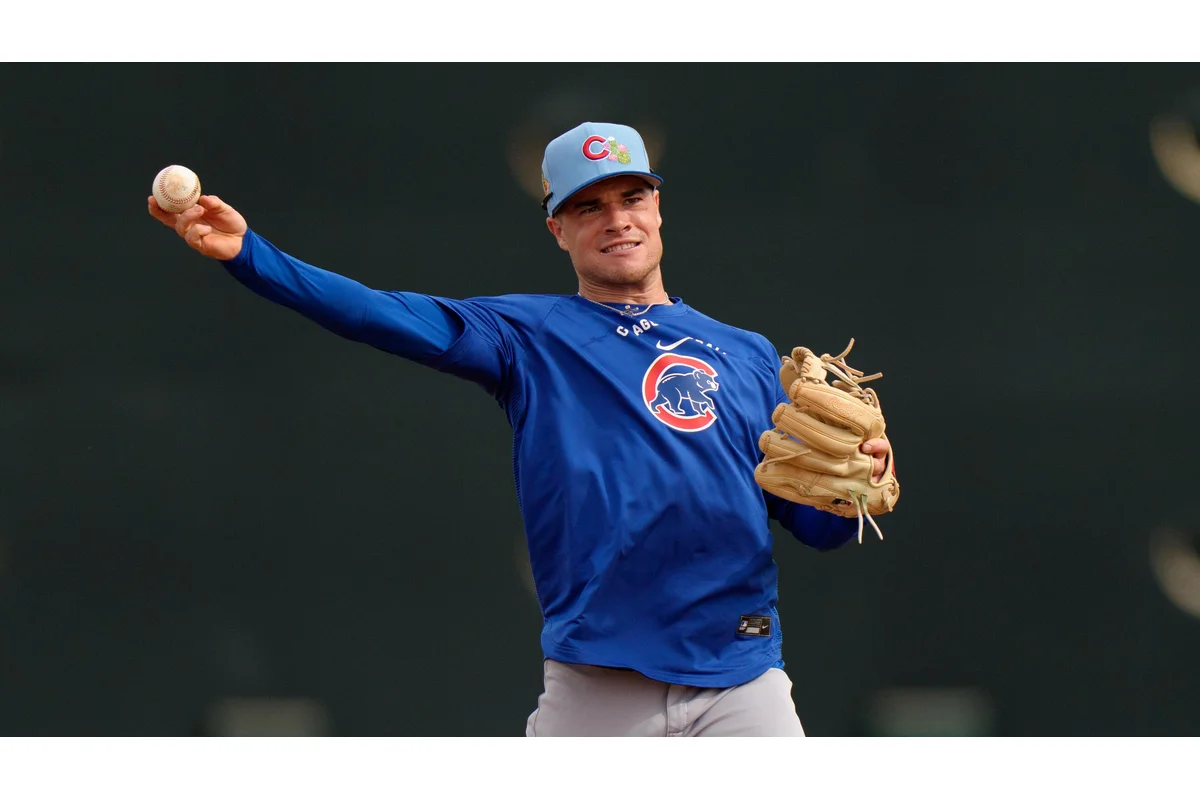
This regression was accompanied by one of the lowest on-base-plus-slugging (OPS) marks in the league during the latter part of the season, signaling that pitchers adjusted well to his approach. Such plate discipline deficiencies often pose sustainability problems in fantasy formats, particularly in ESPN’s standard points leagues where walks and strikeouts significantly affect scoring. While Crow-Armstrong’s defensive skills and baserunning remain assets, the risk of repeating his first-half performance in 2026 suggests that committing an early or high draft pick to him is not advisable.
His current draft position, often inside the top 50, does not reflect this risk adequately. Managers seeking stable contributors may want to avoid investing heavily in Crow-Armstrong until he demonstrates improved plate discipline or greater consistency.
Why Seager’s Injury History Demands a Cautious Approach
Corey Seager’s intermittent availability continues to hamper his fantasy viability, despite solid output when on the field. His tendency to miss substantial time due to injuries makes him a precarious choice for managers who count on regular and consistent production. While his talent and ability remain undeniable, the risk that he may not reach a full season again is significant and must be factored into draft strategies.
Seager’s inclusion on expert “do not draft” lists, especially near his current average draft position (ADP), reflects this concern. Fantasy owners who take the bait on his established reputation rather than current health status risk losing valuable roster spots that could have been invested in more dependable options.
Additional Injury-Prone or Underperforming Players to Avoid at Current Draft Prices
Beyond Seager and Crow-Armstrong, several other players across different positions are positioned precariously due to injury concerns, declining skills, or unfairly high draft costs.
Catchers: Catchers traditionally pose durability problems, and this trend persists. Baltimore Orioles’ Adley Rutschman’s recent struggles after his 2023 breakout and aging Philadelphia Phillies catcher J.T. Realmuto’s declining numbers recommend fading them in single-catcher leagues. Yainer Diaz and Salvador Perez, despite low walk rates, remain reasonable middle-round picks, but defensive positions with low durability deserve caution.
First Basemen: Los Angeles Dodgers’ Freddie Freeman has seen his ADP fall outside the top 50, which aligns well with his trajectory and injury history. Seattle Mariners‘ Josh Naylor remains a moderate option, though his lack of speed limits upside and inconsistencies warrant conservative use.
Second Basemen: Jose Altuve, soon turning 36, is an aging risk with declining offensive metrics, making him an uncertain top-100 choice. Ceddanne Rafaela’s weak plate discipline and low power alongside Ozzie Albies’ inconsistent performance suggest better mid-draft alternatives are available.
Shortstops: Mookie Betts of the Dodgers, still valuable after the fifth round, is no longer the high-end trigger he once was, while Arizona’s Geraldo Perdomo remains an under-the-radar but solid option. Red Sox’s Trevor Story’s durability last season masks the probability he will again contend with injuries, elevating his risk at a top-50 price. Seager continues to shadow the shortstop position for risk at 2026 drafts.
Third Basemen: Cincinnati’s Eugenio Suarez’s outstanding power faded into more typical, lower production, which doesn’t justify his draft cost, especially with his low batting average and high strikeout rate. Austin Riley and Royce Lewis deal with durability concerns that should temper fantasy expectations, while Jordan Westburg’s UCL injury sidelined his breakout potential before it began.
Outfielders: Pittsburgh Pirates’ Oneil Cruz carries a history of a low batting average and high strikeouts, which threatens to limit playing time and value. Atlanta Braves’ Michael Harris II and New York Mets’ Luis Robert Jr., while talented, come saddled with frequent slumps and injury history, respectively. Their ADPs should make fantasy managers wary of selecting them early.
Pitchers and Relief Options with Notable Considerations
On the pitching front, Dodgers ace Yoshinobu Yamamoto stands out as a top early investment. However, other Dodgers starters have experienced injury-limited roles, diminishing their value. Blake Snell’s limited innings, Hunter Greene’s elbow concerns, and Tyler Glasnow’s injury history reduce their reliability as top-100 picks. Mets rookie Nolan McLean’s hype seems inflated relative to his draft position, while Reds pitcher Chase Burns has impressive strikeout potential but is unlikely to throw enough innings.
Among relievers, Astros left-hander Josh Hader’s shoulder and biceps injuries cloud his availability, making him a risky top-100 pick this season. Mets closer Devin Williams offers mixed signals with a strong FIP but uneven ERA, and Orioles’ Ryan Helsley similarly faces uncertainty. Milwaukee Brewers’ Trevor Megill’s possible share of save opportunities reduces his value, and Toronto’s Jeff Hoffman’s history with home runs allowed creates caution despite hopeful signs from Louis Varland.
Generally, investing top-100 picks in relief pitchers remains questionable given the abundance of visible and potential starters and position players with greater overall upside for early investments.
Emerging Talents and Dark Horses to Monitor with Caution
Rookie or young players like Tampa Bay Rays’ Chandler Simpson, Washington Nationals’ Dylan Crews, and New York Yankees’ Jasson Dominguez bring intrigue but also risk. Simpson’s lack of power and defense limits upside despite his speed, while Crews needs to prove his ability to hit consistently against major-league pitching. Dominguez faces uncertain opportunities to make the team, making him a speculative pick.
The aggressiveness and limited plate discipline exhibited by players like Dodgers’ Teoscar Hernandez and Andy Pages may be tolerable within deep, talented lineups but represent risks if their roles or abilities decline. Meanwhile, Hall of Famer Mike Trout entering drafts in the middle rounds aligns well with his age and current production, but fantasy managers should adjust expectations accordingly.
Understanding the Broader Implications for Fantasy Draft Strategy in 2026
The 2026 fantasy baseball draft environment requires a careful balance between pursuing high-ceiling talents and mitigating injury or performance risks. Players who have shown sporadic injury patterns, weak plate discipline, or sudden second-half performance declines, such as Corey Seager and Pete Crow-Armstrong, should be handled cautiously despite their potential upside.
The mixed results of many catchers, infielders, and outfielders with durability or plate discipline issues underscore the importance of depth and flexibility in roster construction. Managers are encouraged to scout beyond hype and recognize when a player’s average draft position exceeds realistic expectations based on recent trends and health concerns.
Additionally, the pitching staff’s landscape does not encourage premature investments in many relievers or injury-prone starters, favoring established performers like Yamamoto while advocating prudence with promising but uncertain arms.
Ultimately, fantasy managers who adjust draft strategies to account for these risks will be better positioned to avoid costly busts and maintain competitive balance throughout the demanding 2026 season.
