
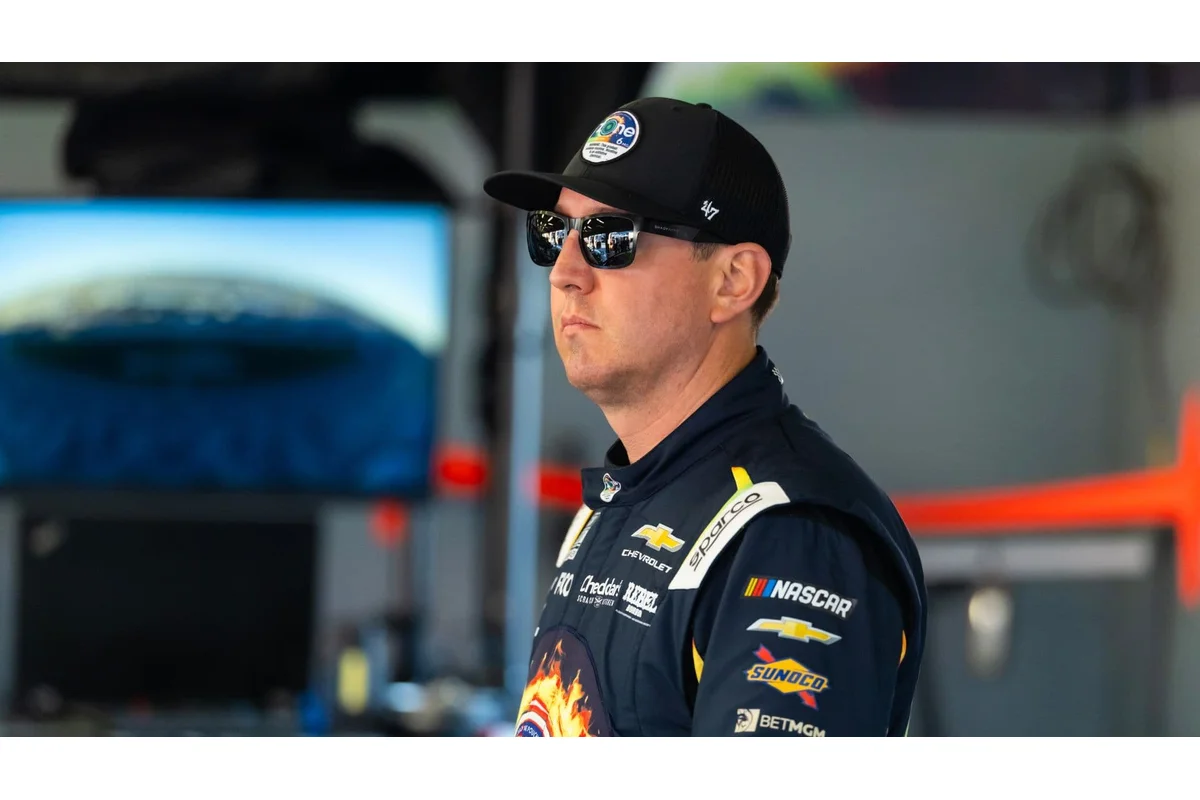
Garrett Mitchell, better known as Cleetus McFarland, is scheduled to debut in the NASCAR O’Reilly Auto Parts Series at Rockingham Speedway on April 4, driving the No. 33 Chevrolet for Richard Childress Racing. This announcement has stirred controversy within the NASCAR community, with critics questioning whether McFarland’s unconventional path fits alongside traditional driver development routes in the sport. The ongoing Kyle Busch NASCAR controversy centers on whether McFarland’s rapid rise, boosted by his online fame, undermines the merit-based progression typically followed by NASCAR competitors.
Kyle Busch Voices Concerns Over McFarland’s Opportunity
Two-time NASCAR Cup Series champion Kyle Busch expressed his skepticism regarding McFarland’s entry during the Phoenix race weekend. Busch highlighted the stark difference between McFarland’s limited racing background and the years of experience most drivers accumulate in lower series before reaching national NASCAR events. Busch also referenced his own son’s extensive racing development to emphasize the long journey drivers usually endure to compete professionally. His remarks quickly spread within motorsports circles, intensifying debate about how top-level racing seats should be earned.
Kyle Petty Adds Perspective on Traditional NASCAR Development
Adding to the discussion, former driver and NASCAR analyst Kyle Petty shared his doubts about McFarland’s advancement during a segment of NASCAR: Inside the Race. Petty outlined the historical norm of rising through competitive ranks, starting with grassroots karting, moving through regional stock car series, and gradually advancing via ARCA, the Truck Series, and the Xfinity Series before reaching NASCAR’s upper echelons. He questioned the wisdom of inserting a driver into a national series seat without the extensive groundwork commonly associated with making it at that level.
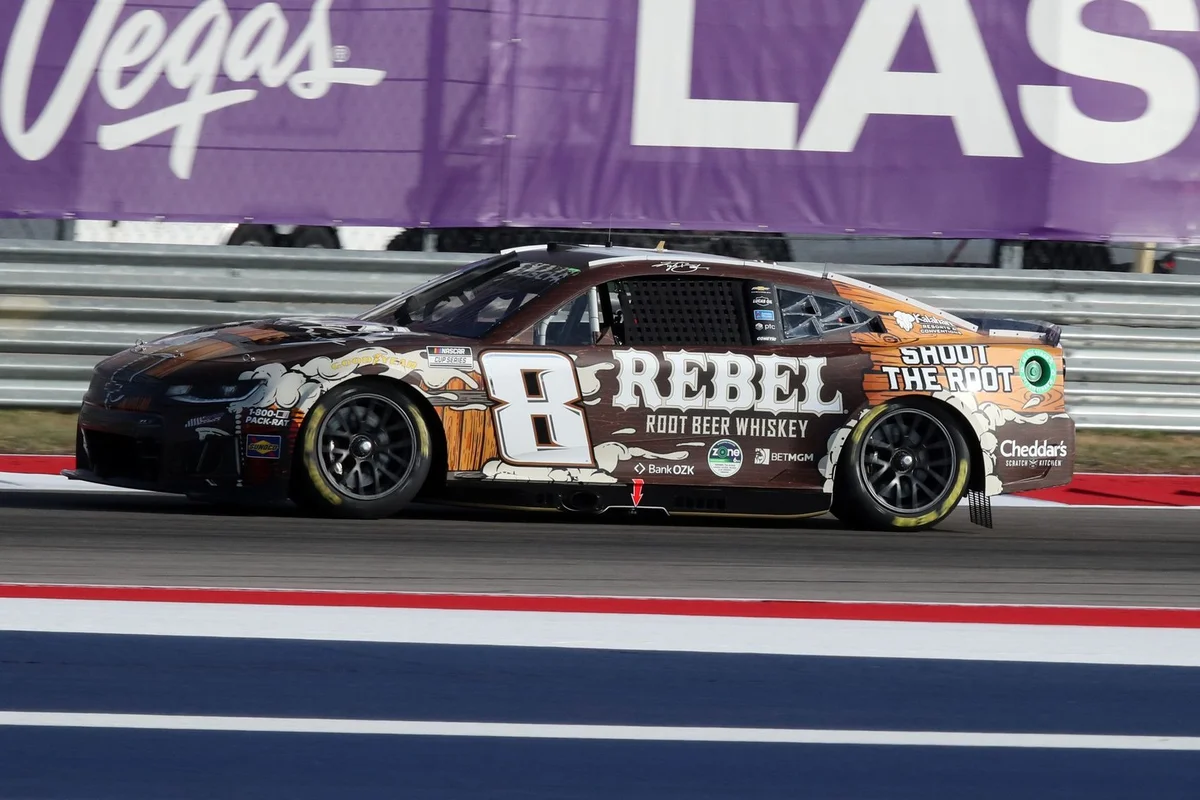
While Petty acknowledged that motorsports has always involved promotional aspects to attract fans and sponsors, he stressed that NASCAR’s professional competition generally requires years of experience for consistent performance at the national level.
Tensions Between Marketing Appeal and Racing Experience
The controversy over McFarland’s NASCAR slot reflects broader tensions in modern motorsports. On one hand, racing bodies recognize the commercial benefits of drivers with substantial online fanbases. On the other, veteran racers and industry experts emphasize the necessity of experience, racing skills, and time spent developing through traditional channels. These conflicting views underscore the evolving nature of driver recruitment strategies in the sport.
Cleetus McFarland’s Racing Background and Popularity
Mitchell’s Cleetus McFarland brand gained massive popularity through automotive content featuring high-performance car builds and motorsports entertainment, attracting millions of dedicated subscribers. This widespread recognition has played a significant role in spotlighting his entry into NASCAR.
Although some question his qualifications, McFarland has gained racing experience recently, including a part-time run in the ARCA Menards Series in 2025, a common stepping stone for drivers aiming for NASCAR’s national divisions. ARCA events offer valuable experience, teaching drivers to master larger tracks and stock car competition nuances.
Earlier this year, McFarland also debuted in the NASCAR Truck Series at Daytona, his first start in one of NASCAR’s three national touring series. This race offered an initial glimpse into how he competes against professional drivers on a challenging superspeedway.
Critics Emphasize the Challenge of NASCAR’s Development Ladder
Detractors argue that McFarland’s limited racing appearances pale compared to the years drivers typically invest competing and proving themselves across multiple feeder series. NASCAR’s development ladder is notorious for its difficulty, with countless drivers competing regionally and nationally for only a few coveted seats in top-tier events. This scarcity heightens competition and the value of a proven track record.
The small number of national series opportunities means that most aspiring professionals spend years earning race wins, experience, and sponsorship backing to secure a place with a prominent team. This lengthy and uncertain journey fuels criticism against fast-tracked opportunities seen as based more on fame than race results.
Business Considerations Behind Racing Opportunities
Despite criticism, NASCAR teams often make decisions based on a mix of factors including talent, sponsorship support, and marketing appeal. Drivers who bring sizeable followings can help secure partnerships that sustain racing teams financially. This reality is evident in Richard Childress Racing’s choice to place McFarland in the No. 33 Chevrolet, reflecting the modern business dynamics of motorsports.
High-profile personalities can attract new audiences, boost online engagement, and increase exposure for teams and sponsors, making their presence a valuable asset beyond just on-track performance.
Upcoming Rockingham Race and What It Means
McFarland’s scheduled debut at Rockingham Speedway will be his first start in the O’Reilly Auto Parts Series, one of NASCAR’s highly competitive environments. Rockingham holds notable historical significance and is known for demanding races that test driver skill and vehicle control.
Whether McFarland matches the competitiveness of his more experienced counterparts remains uncertain. Nevertheless, his entry has already generated intense debate, marking it as one of the most discussed topics in this NASCAR season.
All eyes will be on April 4 as McFarland takes the green flag for Richard Childress Racing’s No. 33 Chevrolet, with his performance likely shaping future conversations regarding opportunities for drivers with unconventional backgrounds in NASCAR.
“The move brings one of the internet’s most recognizable automotive figures into a major national series, some established voices in the sport have questioned whether the opportunity aligns with the traditional pathway drivers typically follow to reach NASCAR’s upper tiers.” – Kyle Busch, Two-time NASCAR Cup Series Champion
“Drivers often begin in karting or grassroots racing, move into regional stock car series, and gradually advance through ARCA, the Truck Series, and the Xfinity level before reaching the top of the sport.” – Kyle Petty, Former Driver and Analyst
“NASCAR competition is highly professional and typically demands years of experience behind the wheel before drivers can perform consistently at the national level.” – Kyle Petty, Former Driver and Analyst
