
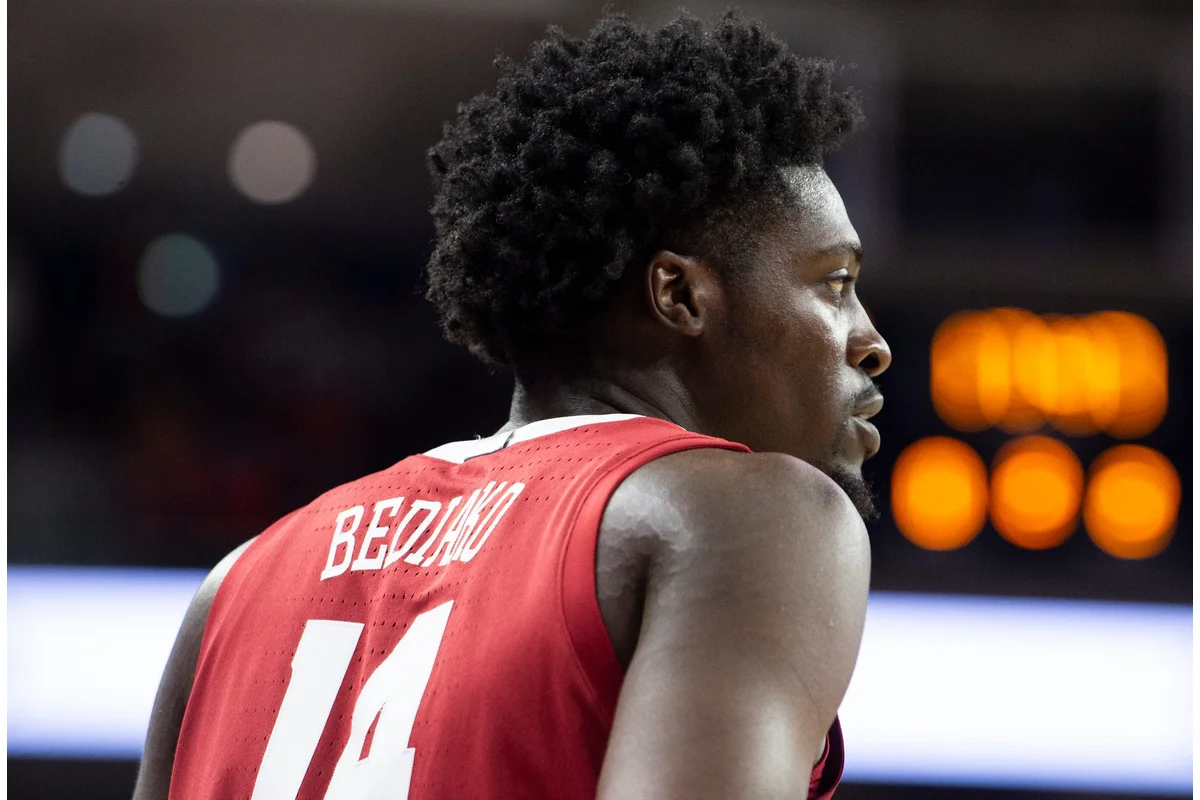
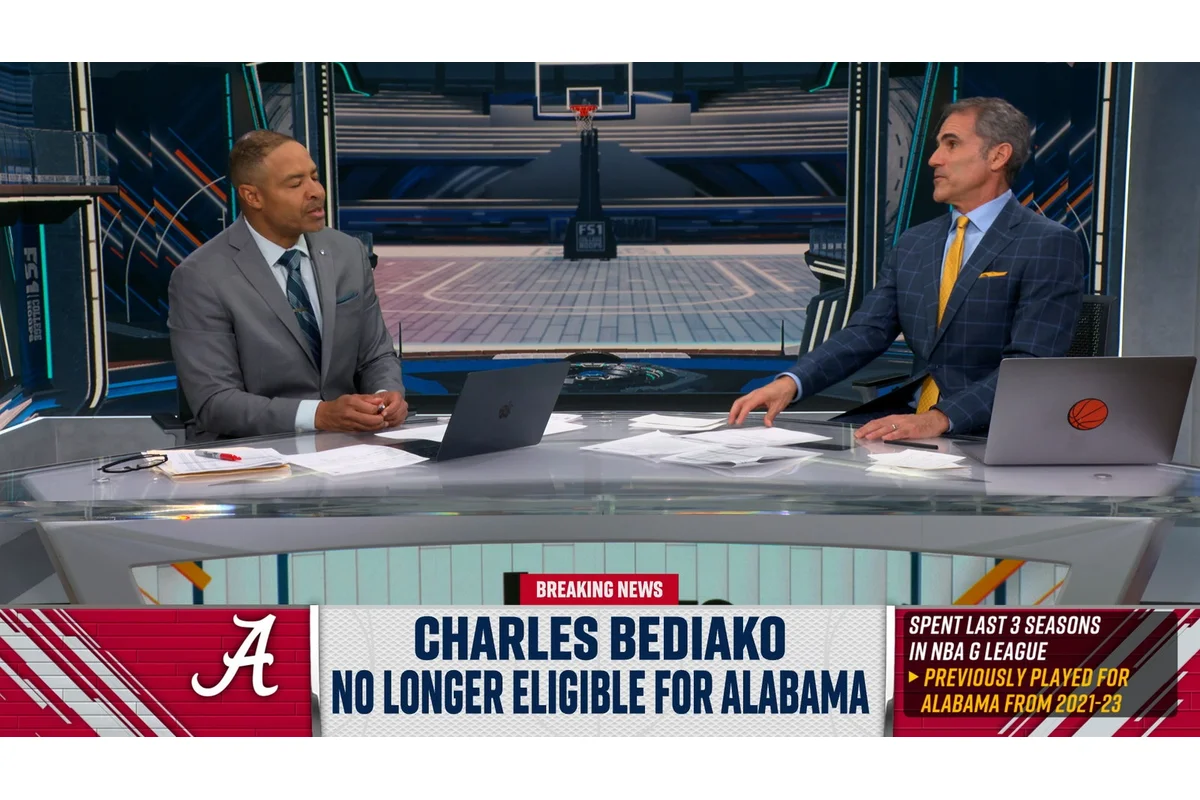
Charles Bediako, who previously played college basketball at Alabama during the 2021-22 and 2022-23 seasons, has been denied NCAA eligibility following a series of legal disputes. After spending time in the G-League without securing a spot on an NBA roster, Bediako sought to return to college basketball but was ultimately blocked from continuing his career with Alabama this season.
The eligibility issue arose after Bediako sued the NCAA, challenging their decision to deny him a return to college play. Initially, an Alabama judge ruled in his favor, allowing him to appear in five games under coach Nate Oats. However, the presiding judge was replaced, and a new ruling reversed that decision, prompting the NCAA to uphold the ineligibility ruling.
“Former pro Charles Bediako has been denied a preliminary injunction against the NCAA and will no longer be eligible to play for Alabama this season,”
On3 wrote on Instagram.
Controversy Surrounding G-League Players’ College Eligibility
The decision to deny Bediako’s eligibility reflects broader concerns within college basketball regarding players moving between the G-League, the NBA, and the NCAA. Similar debates have recently surrounded James Nnaji, who was signed by Baylor from the G-League and faced questions about his ability to play at the college level.
Several influential college basketball figures have voiced their opinions on this issue. Kentucky coach John Calipari has led protests arguing that former G-League players and NBA draftees should be barred from competing in college basketball to protect the interests of high school student-athletes. Supporting Calipari, Hall of Famer Rick Pitino remarked that the current situation
“doesn’t look like the sport he once loved.”
Michigan State’s Tom Izzo also expressed frustration about perceived unfairness, the lack of consistent regulations, and the challenges posed by the transfer portal system.
Mixed Reactions from Fans on Bediako’s Eligibility Outcome
The NCAA’s decision sparked a wave of reactions from fans online, many of whom celebrated what they viewed as a positive development for college basketball integrity. Supporters expressed relief and satisfaction at the ruling, viewing it as a rare win for the sport’s amateur status. Some fans praised Bediako’s short stint as a valuable contribution, while others expressed hope that similar ineligibility rulings would continue.
“Hell yeah, rare NCAA W,” one fan celebrated.
“Buddy just helped me win 150 Saturday vs Auburn I appreciate it my guy,” another fan joked.
“Good,” another remarked.
“Finally a WIN for College basketball,” another fan said.
“Any update on the Baylor kid? Surely he can still play right?” one fan wondered.
Impact on College Basketball and Future Eligibility Battles
The ruling against Charles Bediako carries significant implications for how the NCAA handles eligibility for players with professional experience, particularly those who compete in the G-League. The decision highlights the tension between preserving college sports’ amateur nature and adapting to the evolving landscape where players pursue multiple development paths.
As college basketball continues to grapple with eligibility rules, the situation signals potential ongoing disputes and legal challenges from players aiming to return to the collegiate level after brief professional stints. The NCAA’s firm stance in Bediako’s case may influence future rulings and the policies governing G-League competitors and NBA draftees seeking to join or return to college teams.
