
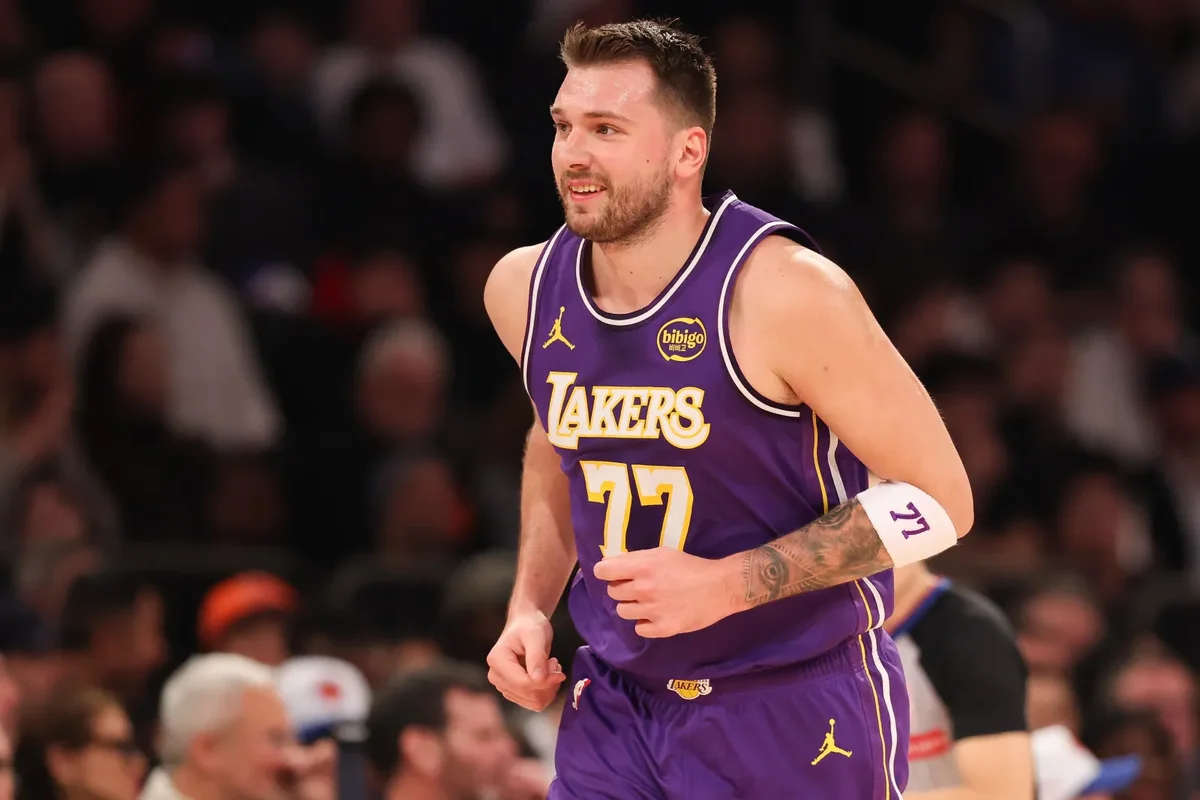
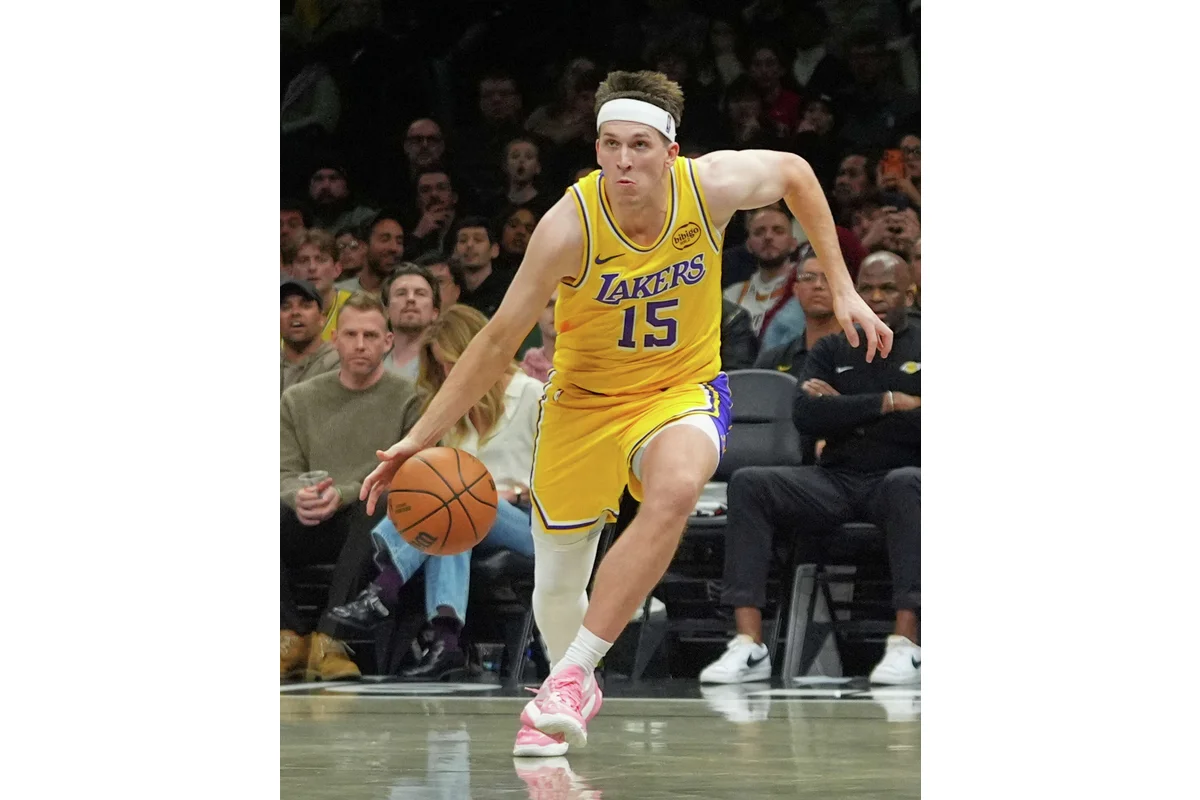
On Tuesday night in Brooklyn, Austin Reaves made his highly anticipated return to the Los Angeles Lakers lineup, contributing significantly to their 125-109 victory over the Nets. After missing five weeks due to a strained left calf, Reaves came off the bench, playing under strict minutes limits, yet made an instant impact on both ends of the floor.
Reaves recorded 15 points on 3-of-9 shooting, securing four rebounds and two steals while restricted to 21 minutes of play—substantially less than his average of 35.3 minutes this season. His return marked a pivotal moment for the Lakers, who had struggled without him during their recent road trip.
Limited Minutes but Immediate Contributions
Austin Reaves entered the game with about 90 seconds remaining in the opening quarter and quickly found his rhythm, reaching the free throw line early and converting both attempts. Despite his minutes restriction, Reaves showcased his versatility, contributing as a scorer and defender, helping stabilize the Lakers’ energy on the court.
Head coach JJ Redick emphasized Reaves’ multifaceted importance to the team before the game:
“I think we’ve missed him in every facet,”
Redick said.
“Both as an on-ball player, off-ball player, a connector, leadership on the court, competitive spirit — competitive spirit defensively. So, he’s an All-Star-level player, and of course, you’re going to miss him in a number of ways.”
Despite not being at full minutes, Reaves’ presence provided a clear boost, as the Lakers improved their road trip record to 5-3 following the game.
Reaves Reflects on His Time Away and Return
The 27-year-old guard suffered his initial calf strain on December 10 against the San Antonio Spurs and then experienced a separate strain two weeks later in the loss to the Houston Rockets on Christmas Day. Before these injuries, he was delivering a career-best season, averaging 26.6 points per game on over 50% shooting, alongside 6.3 assists and more than five rebounds per contest.
Reaves expressed the frustration of being sidelined during his recovery:
“I think all I did for the month-and-a-half was yell at the refs. It’s no fun. It’s better to yell at them on the court. But it’s good to be back out there and run around, feel the energy and play the game I love.”
He also shared why he chose to wait until the Brooklyn game to return rather than rushing back against the New York Knicks:
“I wanted to make sure I was 100% good,”
Reaves said.
“Really wanted to play the other night against the Knicks. Love playing there. Wish I could have been able to get out there and help the team, but just didn’t feel right and woke up this morning and felt really good and gave it the go right before the game and had fun.”
Team Leaders Highlight Reaves’ Impact on Lakers’ Success
LeBron James, who led the Lakers with 25 points in the game, praised Reaves’ return as a necessary lift for the team during a demanding road trip:
“It was just a boost for all us, especially at the end of a road trip, to get a guy like that back,”
James said.
“Obviously his rhythm is a little off, but s—, he still made an impact and I’m just happy to have him back.”
Without Reaves, the Lakers went 10-9 since his injury, underscoring how much his presence influences the team’s overall performance on both offense and defense.
Expected Next Steps and Significance of Reaves’ Return
Austin Reaves’ return is a critical development for the Los Angeles Lakers as they prepare for the remainder of the season. Although under a minutes cap for now, his ability to contribute defensively and offensively offers the team enhanced versatility and leadership. With head coach JJ Redick stressing Reaves’ All-Star-level qualities, his health and continued integration into the lineup could significantly impact the Lakers’ playoff positioning and success.
As the Lakers continue their schedule, monitoring Reaves’ minutes and effectiveness will be key, especially given his prior career highs in scoring and playmaking. His return not only improves the Lakers’ depth but also reignites the team’s competitive spirit, which was diminished during his absence.
