
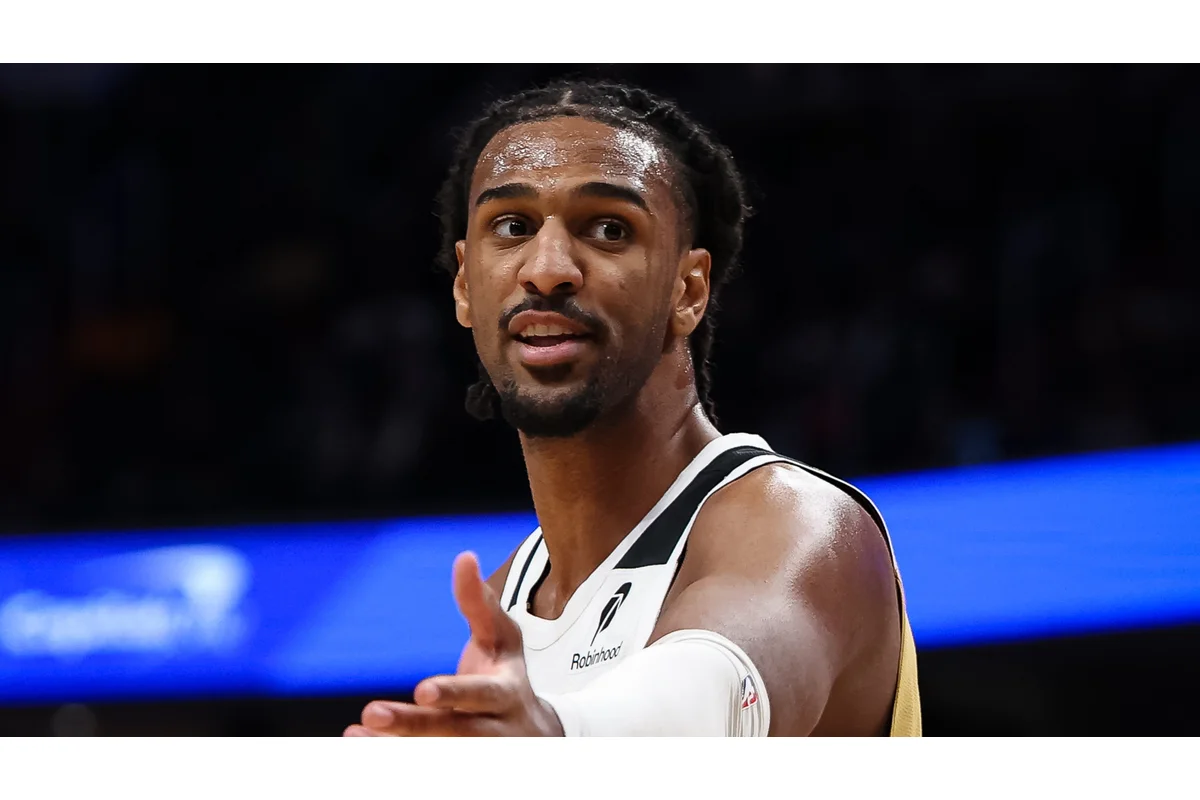
On the afternoon of February 4th, the Washington Wizards abruptly shifted their franchise direction by acquiring NBA Hall of Famer Anthony Davis. This unexpected trade sent ripples through the basketball community, as little speculation linked Davis with the Wizards before the deal. The move clearly signals Washington’s ambition to contend immediately, using Davis’s star power to boost their chances in the Eastern Conference.
However, doubts linger about whether the Wizards’ roster has enough depth to complement Davis effectively. While adding such a marquee player can transform a team’s outlook, Washington sacrificed significant resources in the trade, raising questions about the long-term effects of this bold gamble.
Costly Assets Traded to Secure Davis
Washington parted ways with a considerable package to obtain Anthony Davis, including Khris Middleton, AJ Johnson, Malaki Branham, Marvin Bagley III, along with two first-round and two second-round draft picks. In return, they gained D’Angelo Russell, Jaden Hardy, two first-round picks, and three second-round selections.
Superficially, the Wizards maintained young talents like Bub Carrington, Tre Johnson, and Kyshawn George, which could ease concerns about roster depletion. Yet, the future value of their first-round picks looms large, potentially affecting franchise flexibility moving forward given their current competitive position.
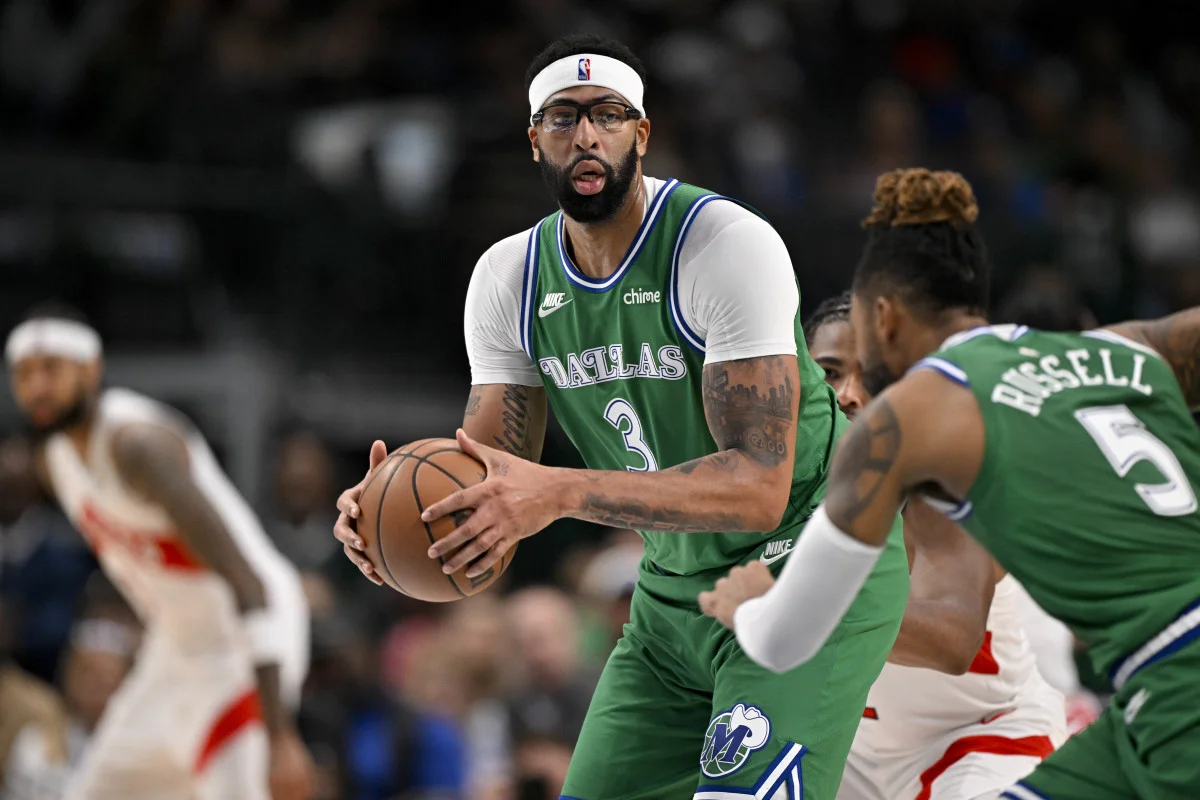
Defensively, Davis is expected to enhance rim protection and allow for more versatility, especially benefiting players like Alex Sarr. Offensively, though, his impact is less certain. Over recent seasons, Davis’s shooting efficiency has declined and injuries have reduced his aggressiveness attacking the basket, diminishing his overall offensive threat compared to earlier in his career.
The success of this trade depends heavily on Davis’s health and consistent performance, alongside the progression of young Wizards such as Tre Johnson, Alexandre Sarr, and Kyshawn George. Notably, the much-anticipated debut of Trae Young for Washington remains pending, adding another layer of uncertainty.
If the Wizards fail to see marked improvement, the sacrifice of valuable draft picks and key players will likely be viewed as a considerable setback.
The Impact of Losing A.J. Johnson
A.J. Johnson’s departure as part of the trade could prove to be especially damaging for the Wizards. At just 21, Johnson has displayed promising potential as a guard, with recent standout performances including a notable game against Sacramento, where his speed and ability to finish near the basket were on full display.
As a former first-round draft pick, Johnson had development upside that the Wizards will now miss. Meanwhile, Dallas benefits by adding a talented player who could emerge as a foundational piece alongside Cooper Flagg, making this loss significant for Washington’s future backcourt depth.
Concerns over Anthony Davis’s Ongoing Injury Issues
A major source of apprehension revolves around Davis’s ability to stay healthy and maintain consistent availability. This season, Davis has played only 20 games, following 51 appearances the previous year. His injury history, including recent hand issues and a series of lower-body injuries, raises doubts about his durability at age 32.
Washington’s hopes hinge on Davis avoiding prolonged absences, as his availability profoundly influenced his previous teams’ success in Los Angeles and Dallas. Though the star retains undeniable talent, frequent injuries could undermine the Wizards’ championship aspirations, making this trade highly risky.
As the Wizards continue the season under this new direction, uncertainty remains over whether this deal will elevate the franchise or become a cautionary tale about trading future assets for an aging star.
