
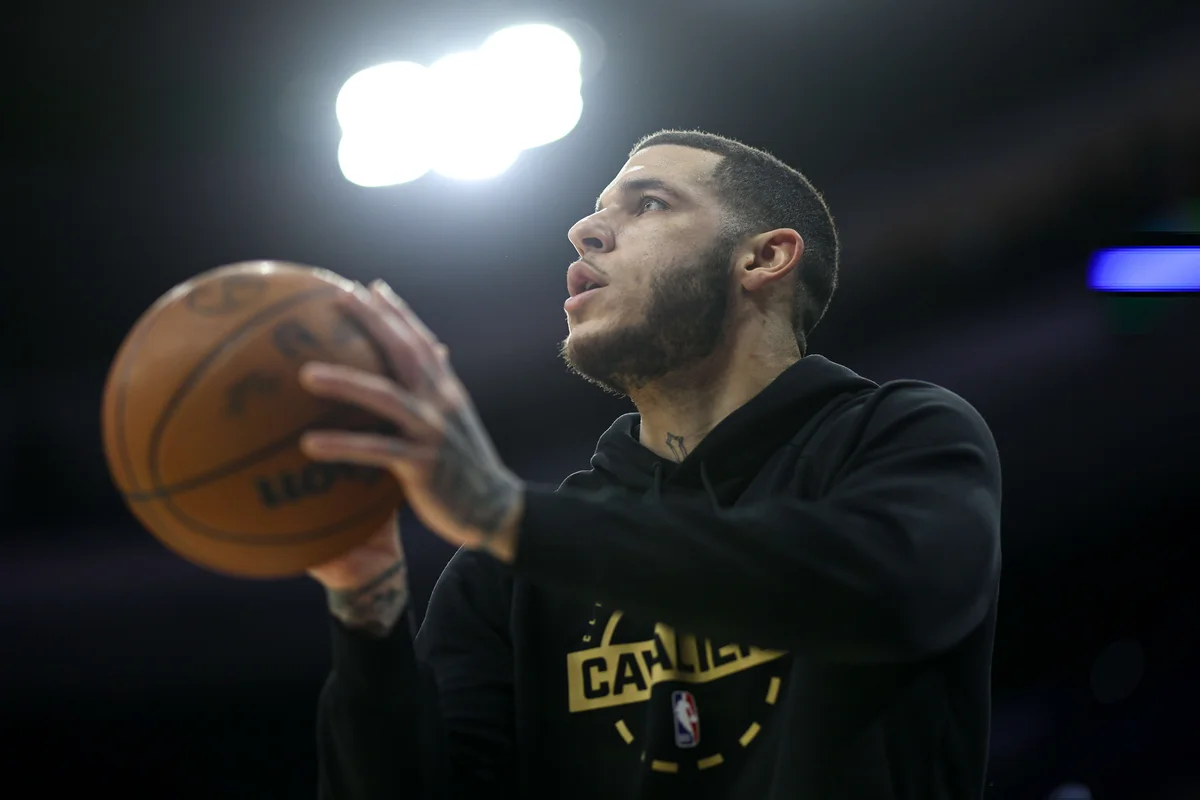
Lonzo Ball‘s brief stint with the Cleveland Cavaliers has apparently ended after only 35 games, as the team traded him to the Utah Jazz just hours before the NBA trade deadline. The Cavaliers included two second-round draft picks in the deal, although it remains unclear if Cleveland will receive any players or assets in return. This move is primarily viewed as a salary cap strategy ahead of the offseason.
Implications of the Trade and Future Free Agency
With Ball’s contract containing a club option that may not be exercised, this trade signals that the Cavaliers are keen to move his $10 million salary off their payroll. According to NBA insider Chris Haynes, the Jazz plan to waive Ball immediately after the trade, allowing him to enter free agency. This decision reflects Utah’s focus on long-term financial flexibility rather than on Ball’s on-court contributions.
Utah Jazz will waive Lonzo Ball after acquiring him from the Cleveland Cavaliers, league sources tell me. He’ll be a free agent point guard in demand.— Chris Haynes, NBA Insider
Context of the Cavaliers’ Roster Changes
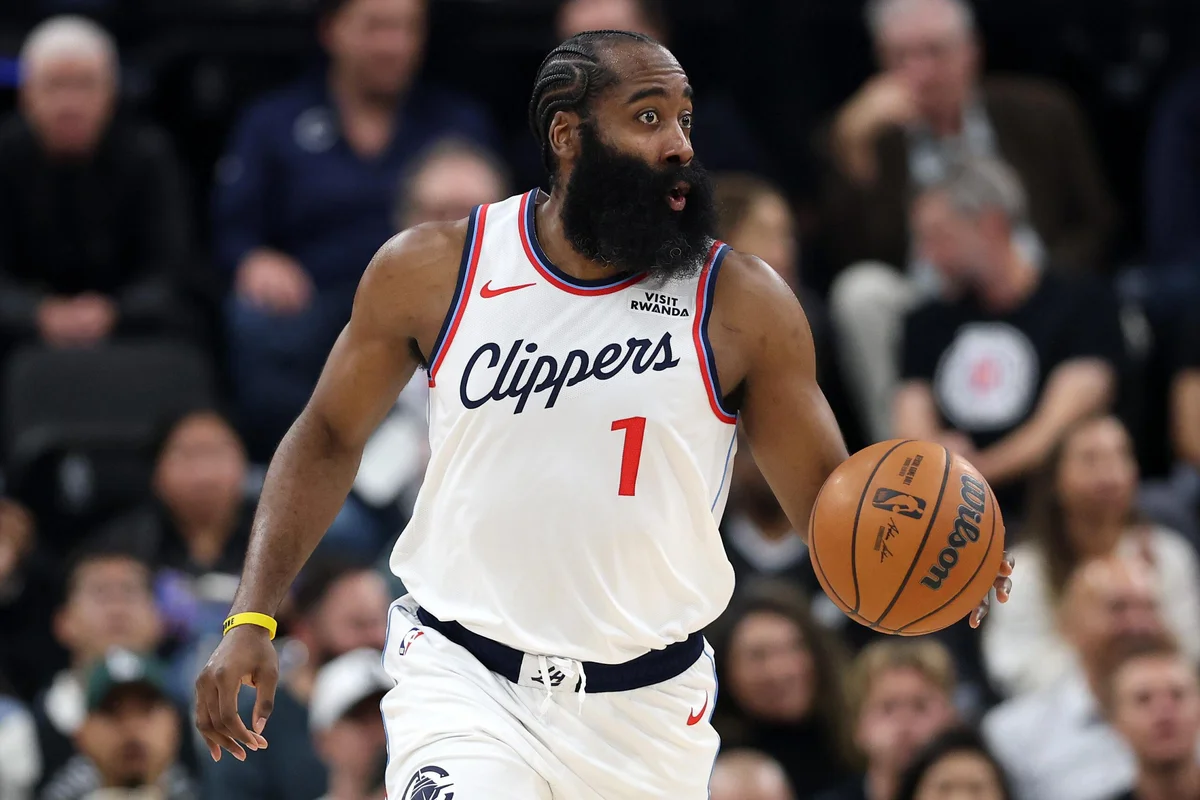
This transaction follows other significant moves by the Cavaliers ahead of the trade deadline. Reports confirm that Cleveland also agreed to send All-Star guard Darius Garland to the Los Angeles Clippers in exchange for former MVP James Harden, aiming to bring in a veteran presence to bolster their playoff chances. In contrast, dealing Ball appears less about acquisition and more about removing a player who failed to meet expectations.
Performance and Challenges During Ball’s Time in Cleveland
Lonzo Ball arrived in Cleveland from the Chicago Bulls last July, with the Cavaliers trading away former first-round pick Isaac Okoro to facilitate the deal. Ball was recovering from knee surgery when he joined Cleveland and was managed carefully to avoid back-to-back games. Still, the team hoped his defensive versatility and ability to shoot from long range would provide much-needed depth for their postseason aspirations.
Unfortunately, Ball’s performance fell far short of these hopes. Despite maintaining decent defensive ratings, his offensive output diminished significantly. Over 35 games, he averaged only 20.8 minutes per contest and struggled with a shooting percentage of just 30.1%, including a 27.2% success rate from beyond the arc. Meanwhile, emerging young players like Jaylon Tyson and Craig Porter Jr. began to overshadow him, contributing to Ball’s reduced role and several games where he was a healthy scratch since January.
Trade Significance and What Lies Ahead
This trade marks a turning point for both Ball and the teams involved. For Cleveland, it is part of an active strategy to reshape their roster for a deeper playoff push, especially with the acquisition of Harden. For Utah, the move offers salary cap relief while creating a chance to add a free agent point guard who remains in demand. As Ball enters free agency, how his next contract and team fit shape up will be closely watched by analysts and fans alike.
The Cleveland Cavaliers have agreed to trade Lonzo Ball and two second-round picks to the Utah Jazz, sources tell ESPN. Ball's agent Rich Paul and the Jazz are expected to discuss his future soon. pic.twitter.com/qrNtC6tlc7
— Shams Charania (@ShamsCharania) February 4, 2026
Utah Jazz will waive Lonzo Ball after acquiring him from the Cleveland Cavaliers, league sources tell me. He’ll be a free agent point guard in demand.
— Chris Haynes (@ChrisBHaynes) February 4, 2026
