
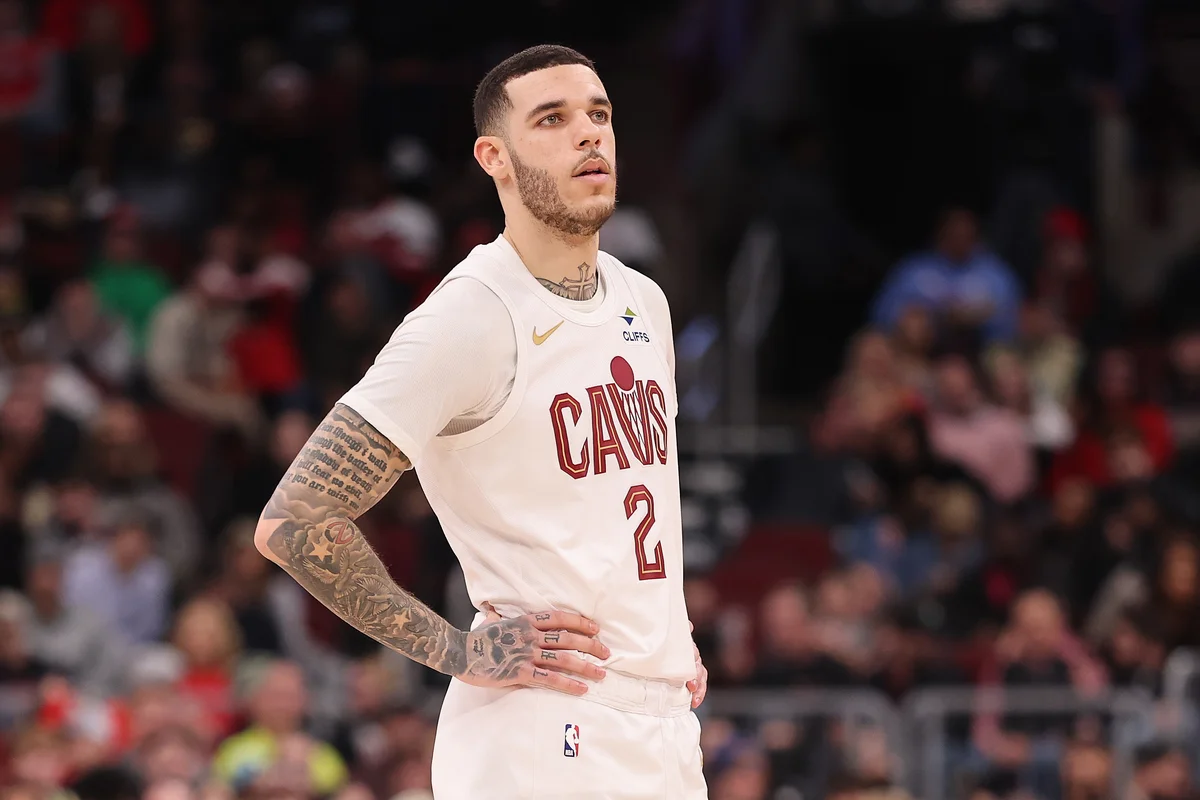
The Cleveland Cavaliers have made a significant move ahead of the NBA trade deadline by agreeing to send point guard Lonzo Ball and two second-round draft picks to the Utah Jazz. This trade follows Cleveland’s recent acquisition of James Harden from the Los Angeles Clippers, signaling the team’s aggressive strategy to improve its roster and free up salary space.
ESPN NBA insider Shams Charania reported that Ball‘s agent, Rich Paul, is expected to enter discussions with the Jazz about Ball’s future after the trade. Besides Cleveland and Utah, the Atlanta Hawks also participated in the transaction, acquiring center Jock Landale from Utah in a three-team deal.
Breaking Down the Multi-Team Deal Involving Cavaliers, Jazz, and Hawks
The trade allowed Utah to receive two second-round picks, while the Hawks gained a productive center in Jock Landale. For Cleveland, the main goal was to shed considerable salary commitments, creating tax relief, and solidify the roster by adding Harden, Keon Ellis, and Dennis Schroder. Charania noted that Ball is expected to be bought out by the Jazz shortly after the trade.
Why Clearing Salary Was Crucial for Cleveland’s Ambitions
Following the high-profile Harden trade, the Cavaliers appear intent on building a championship-caliber squad around Donovan Mitchell. Moving Lonzo Ball, who was owed $10 million this season with a matching club option for the 2026-27 season, has freed up valuable salary space for Cleveland. This maneuver aligns with reports that the Cavaliers plan to pursue LeBron James in the upcoming offseason, with both Harden and Mitchell expected to assist in efforts to bring him back to Cleveland.
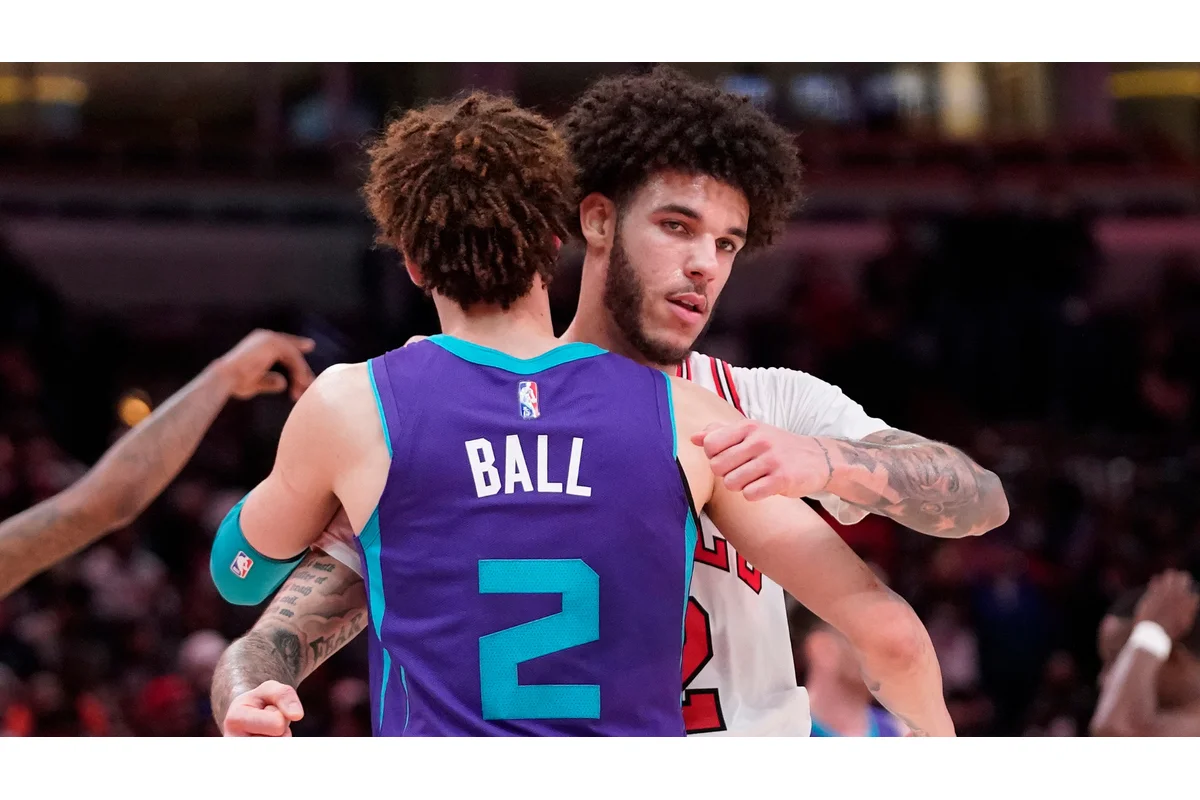
Lonzo Ball’s role had diminished this season, especially after the additions of Schroder and Ellis reduced available playing time. The Cavaliers clearly decided that keeping Ball was no longer feasible within their evolving roster framework.
Utah Jazz Opt to Acquire Draft Picks Instead of Retaining Ball
The Jazz’s involvement appears motivated primarily by the opportunity to add future assets, specifically the two second-round selections included in the trade. Since Utah is unlikely to keep Ball, the focus is on accumulating draft capital that could be utilized in upcoming player development or as leverage in future trades.
Second-round picks have increasingly become valuable tools for NBA franchises looking to build sustainable talent pipelines or package deals for proven players. After recently acquiring forward Jaren Jackson Jr. from Memphis, the Jazz front office seems focused on strengthening their asset base moving forward.
What This Means for the Teams and the Season Ahead
This series of trades highlights the Cavaliers’ determination to construct a stronger roster capable of contending for the NBA Finals. By managing salary commitments and bringing in seasoned veterans like Harden and Schroder, Cleveland is positioning itself for a potential major offseason push to re-sign LeBron James.
At the same time, Utah’s strategy reflects a longer-term approach centered on building through draft capital, while Atlanta gains an immediate roster boost with Landale’s acquisition. The dynamics of this three-team trade underscore the complex balancing act NBA teams perform in navigating talent, salary, and future planning as the season progresses.
The Cleveland Cavaliers have agreed to trade Lonzo Ball and two second-round picks to the Utah Jazz, sources tell ESPN. Ball's agent Rich Paul and the Jazz are expected to discuss his future soon. pic.twitter.com/qrNtC6tlc7
— Shams Charania (@ShamsCharania) February 4, 2026
