
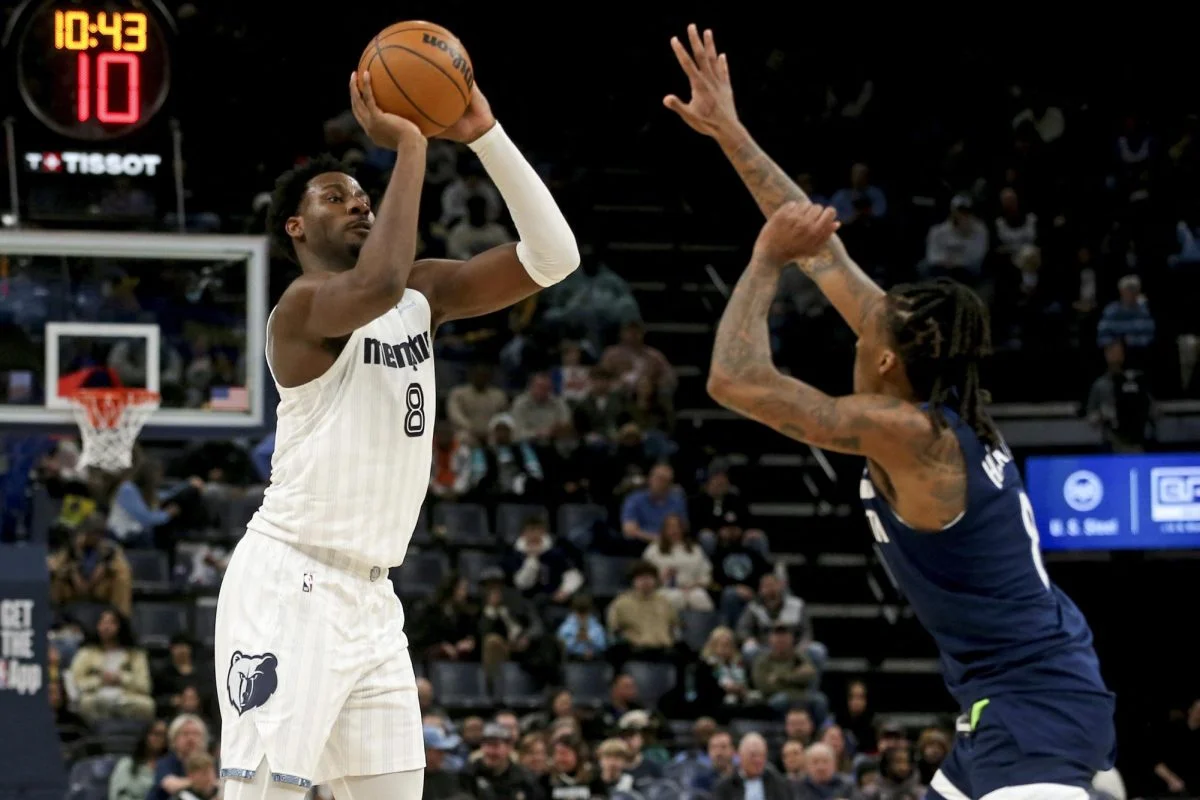
The Memphis Grizzlies decided to move on from their Ja Morant and Jaren Jackson Jr. era, which fell short of expectations, while the Utah Jazz reached a critical stage in their rebuild where bold action was necessary. This culminated in a significant NBA trade deadline deal sending former Defensive Player of the Year Jaren Jackson Jr. to the Jazz in a complex eight-player exchange.
Details of the Trade Between Utah Jazz and Memphis Grizzlies
The Memphis Grizzlies acquired Kyle Anderson, Taylor Hendricks, Walter Clayton Jr., Georges Niang, and three first-round draft picks (top picks from the Jazz 2027 selections, the Lakers 2027 pick, and the Suns 2031 pick). In return, the Utah Jazz received Jaren Jackson Jr., John Konchar, Jock Landale, and Vince Williams Jr.
How the Utah Jazz Stand to Benefit
Grant Liffman of NBC Sports described Utah’s move as a notably aggressive trade that sets a positive example for other teams willing to take risks. Knowing they would not find a talent like Jackson through free agency, Utah leveraged cap space and draft capital to obtain him. Under owner Ryan Smith’s urging, the Jazz are eager to exit their rebuilding slump this season amid growing restlessness among fans and franchise leadership.
Last year’s NBA Draft Lottery disappointment, in which Utah held the worst record but still picked fifth, motivated GM Danny Ainge and his son Austin to rely less on luck and make a significant strategic play. Now, the Jazz are shaping a promising but unfinished roster featuring Jackson Jr. alongside Lauri Markkanen, creating a versatile and athletic front line capable of scoring inside and beyond the arc.
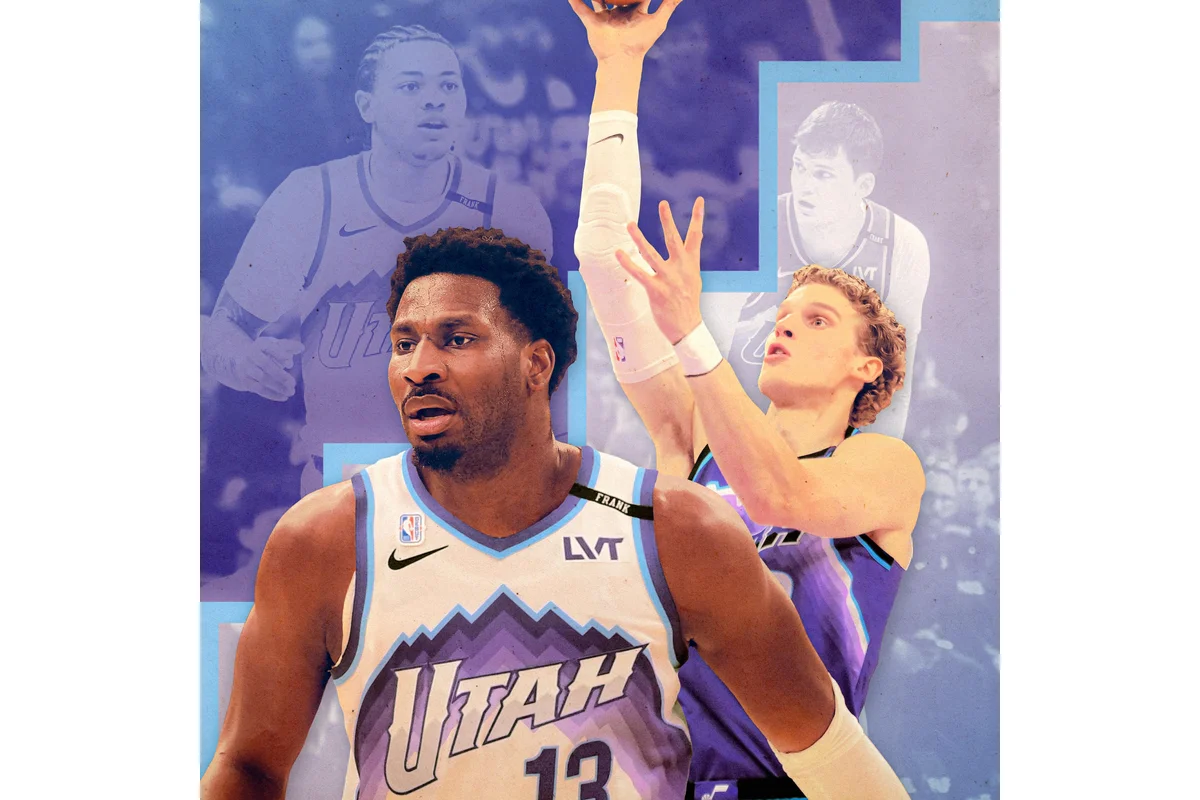
They also aim to retain Walker Kessler this summer to fill the center role, providing strength on the boards that Jackson and Markkanen lack, according to Tony Jones of The Athletic. Supporting this core are guard Keyshawn George, performing at an All-Star level, and Ace Bailey, the No. 5 overall pick from last year who has recently started to find his stride in the NBA.
Yet, there are important risks. The Jazz must likely continue losing games this season to improve their position for the upcoming deep draft, complementing their current assets. Additionally, Utah is committed to Jackson Jr. with a contract averaging over $50 million per year for the next three seasons, meaning his health and ability to return to peak Defensive Player of the Year form are crucial for the Jazz’s hopes of contention.
Memphis Grizzlies Embrace a Long-Term Rebuild
While some Grizzlies fans are unhappy with what feels like a dismantling of a team that might have only needed adjustments, the organization accepted that the current trajectory was no longer viable. Ja Morant’s performance plateau and changing play style have diminished the team’s offensive core, fueling speculation that Morant himself may not remain with Memphis beyond this season.
Memphis began this rebuild after trading Desmond Bane for four Orlando first-round picks. Combining those assets with the returns from the Jackson trade and their own draft selections leaves the Grizzlies with roughly twelve first-round picks over the next seven years. This wealth of draft capital forms a solid base for rebuilding.
The key now lies in the franchise’s ability to effectively develop young players, capitalize on their numerous future picks, and capitalize on some good fortune. This calculated reset aims to transition the team toward sustainable success rather than continuing to chase fading potential on the current roster.
The Impact of This Trade on NBA Tanking Discussions
The end of this NBA season will largely be remembered for increased tanking strategies, exemplified by both the Utah Jazz and Memphis Grizzlies in this deal. Memphis entered the trade deadline as the 11th seed in the Western Conference, just a few games shy of the play-in tournament, yet opted to prioritize a long-term rebuild over an immediate push for the postseason.
By moving star players and key contributors, Memphis signaled a shift away from competitiveness this season despite the potential to compete if fully healthy. Utah has been in a longer rebuilding process, although despite professed disinterest in tanking, they are maintaining a low level of competitiveness to protect their draft position. Their first-round pick is top-eight protected and likely to remain in their control, while large portions of Jackson’s playing time may be limited facing a similar approach.
This trade highlights how team strategies align with league rules that reward talent acquisition and draft positioning, forcing franchises to balance short-term competitiveness against long-term growth. As one insider put it:
“acquire the most talent you can.”
How This Trade Shapes the Market for Ja Morant
The ripple effect of this deal suggests that Memphis is poised to trade Ja Morant, either before the deadline or during the summer, although the asset value he commands has likely decreased. Prospective suitors considering Morant will be weighing the risks and rewards of his health and form, but with the reduced price, some teams might view this as an opportunity to acquire a once elite player at a discount.
