
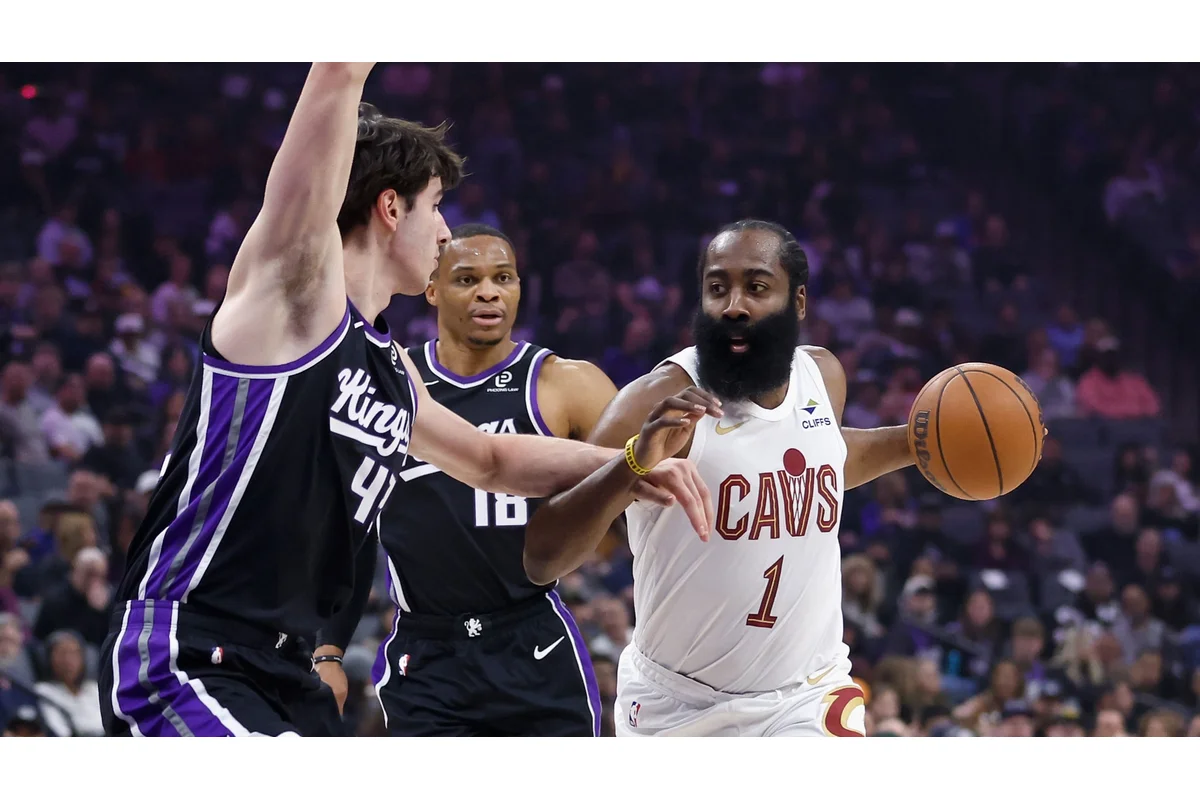
The Sacramento Kings trade deadline revealed a critical moment of hesitation in an already disappointing 2026 season. Despite facing a series of losses, the front office chose to maintain an aging roster rather than pivot toward a rebuild, risking prolonging the team’s struggles in the competitive Western Conference.
Continued Decline in Performance
Currently sitting at 12-42, the Kings occupy the bottom of the Western Conference standings. Although the roster features high-scoring veterans like Zach LaVine, who averages 19.2 points per game, and DeMar DeRozan, with 18.9 points per game, the team’s defense has faltered under head coach Doug Christie. Defensive rotations have been inconsistent, and opponents often exploit transition opportunities, leading to some of the league’s worst defensive statistics.
What was meant to be an offensively potent lineup has instead become one-dimensional, unable to secure crucial stops. A 12-game losing streak culminating just before the trade deadline effectively ended any chances of postseason competition, leaving the franchise in a state often described by insiders as a form of basketball limbo.
Front Office Inaction Spurs Fan Frustration
The Kings’ front office drew widespread criticism at the February 5 trade deadline due to their minimal activity. Aside from a minor trade that brought in De’Andre Hunter in exchange for Keon Ellis, a promising young defender, the Kings failed to make significant moves to offload large contracts or reset the roster around youth.
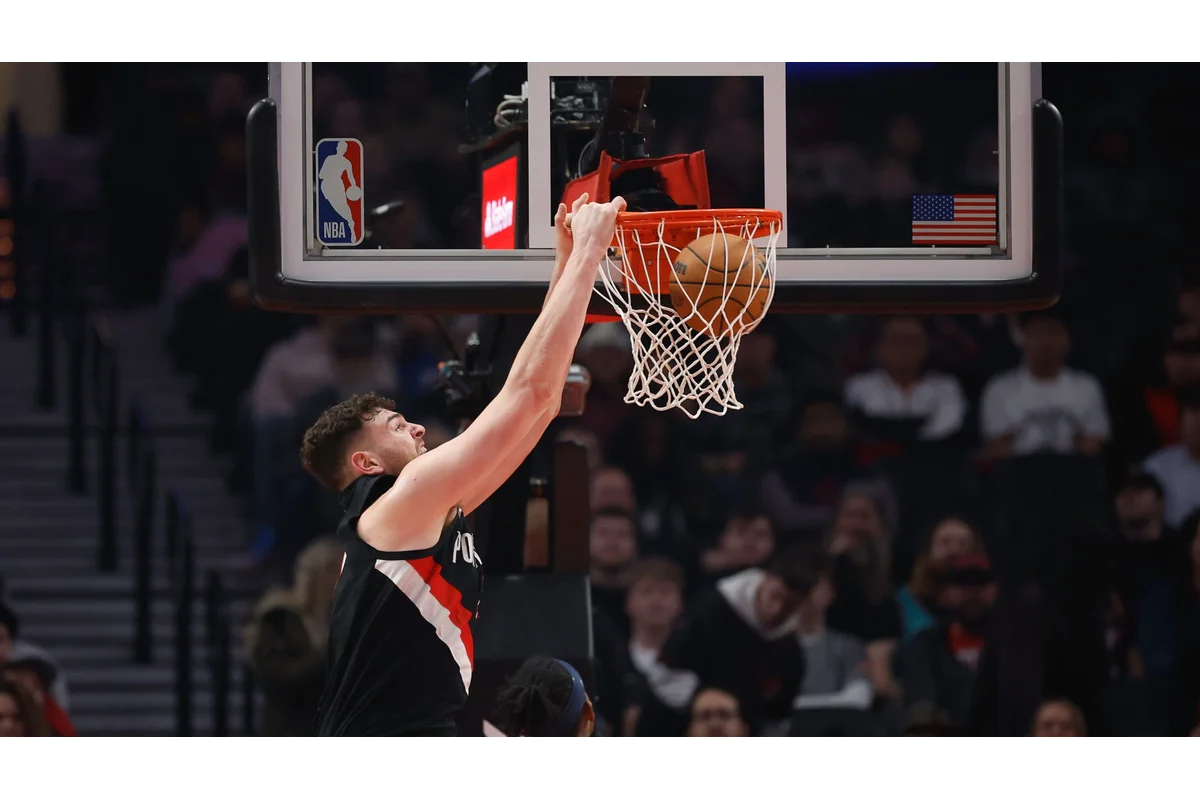
This decision kept young talents like Nique Clifford and Devin Carter sidelined behind aging veterans, while injury to Domantas Sabonis and the team’s wide gap behind conference leaders left the season’s remainder feeling more like waiting for draft lottery results than competing for wins.
The Cost of Hesitation in Roster Moves
The Kings’ reluctance to shake up their veteran-heavy lineup effectively shut the door on rebuilding this season. The most notable trade involved a three-team deal including Cleveland and Chicago:
Outgoing players: Keon Ellis, Dennis Schroder, Dario Saric, and a 2030 second-round pick.
Incoming player: De’Andre Hunter.
While Hunter brings size and wing scoring, many analysts questioned this exchange. Keon Ellis offered defensive stability as a cost-controlled “3-and-D” player, fitting the modern NBA’s playoff demands, while Hunter carries a larger contract and an injury history. This lateral trade did little to address the Kings’ deeper developmental needs, leaving fans wanting a more transformative approach.
Untouched Cornerstones Complicate Rebuild
Heading into the deadline, Sacramento had three significant trade assets: Domantas Sabonis, Zach LaVine, and DeMar DeRozan. Yet, none were moved.
Sabonis Trade Talks Stall
Sabonis attracted interest from teams like Toronto, who saw him as a high-post offensive leader. However, negotiations fell apart primarily over financial concerns, especially the willingness to carry long-term salary obligations. Instead of seeking alternative options, the Kings chose not to make a deal, resulting in no transaction.
The LaVine Contract Burden
Zach LaVine’s large upcoming salary, nearly $50 million for the next season, created a barrier for potential trades. League sources confirmed that teams demanded first-round draft picks to absorb this contract, making a trade costly. Confronted with moving picks or retaining LaVine, Sacramento decided to keep him, locking themselves into a restrictive salary-cap situation on a struggling squad.
Youth Development Stalled by Veteran Logjam
One of the most damaging consequences of the deadline decisions is the stagnation of player growth. With veterans occupying the majority of minutes, younger players such as Devin Carter and Dylan Cardwell, recently signed to a four-year deal, receive limited opportunities to develop in live games.
Coach Doug Christie must navigate rotations filled with former All-Stars whose competitive timelines no longer match the rebuilding needs of the team. This environment, often referred to by executives as a “losing veterans environment,” hampers both the progression of young talent and the overall competitiveness of the team, leaving the franchise drifting without a clear direction.
Trapped Between Tanking and Contending
Typically, rebuilding teams make clear choices: either trade veterans for future assets and focus on youth, or commit fully to contending by strengthening the roster. The Kings, however, did neither. They remain caught in a costly middle ground, fielding an expensive yet aging team that is losing regularly.
The core issue was not the Hunter trade or the departure of Ellis, but the lack of a clearly defined strategy at the 2026 trade deadline, leaving the franchise suspended in uncertainty.
Future Risks of Missed Moves
The consequences of the Kings’ deadline decisions are expected to stretch beyond the current season. Retaining veterans now may reduce their trade value going forward, especially if injuries worsen or player performance declines. This reluctance to act also delays much-needed salary cap flexibility, which could be crucial for future trades or blockbuster acquisitions.
Most importantly, it postpones the team’s identity formation—leaving unresolved whether Sacramento is aiming to develop a young core or make one last attempt to compete with veterans.
Missed Chance to Reset the Franchise
Ultimately, the Kings’ greatest error was indecision. As the season slips away, the value lies not in preserving hope with an outdated roster, but in gaining clarity to build a foundation for the future. Sacramento could have reset contract timelines, freed salary cap space, and given emerging players the spotlight needed for growth.
Instead, the franchise preserved a lineup built for a competitive window that no longer exists, effectively ensuring that the painful 2026 campaign will extend beyond the trade deadline into a longer period of uncertainty.
