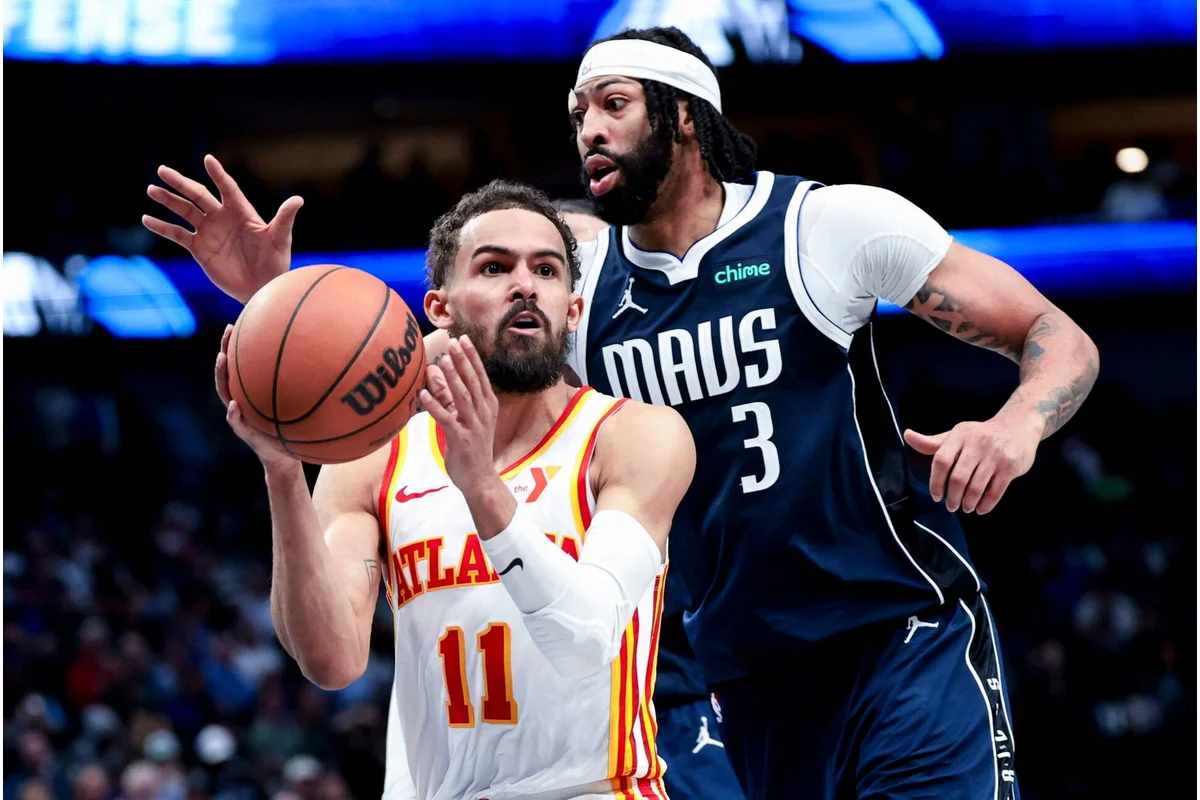
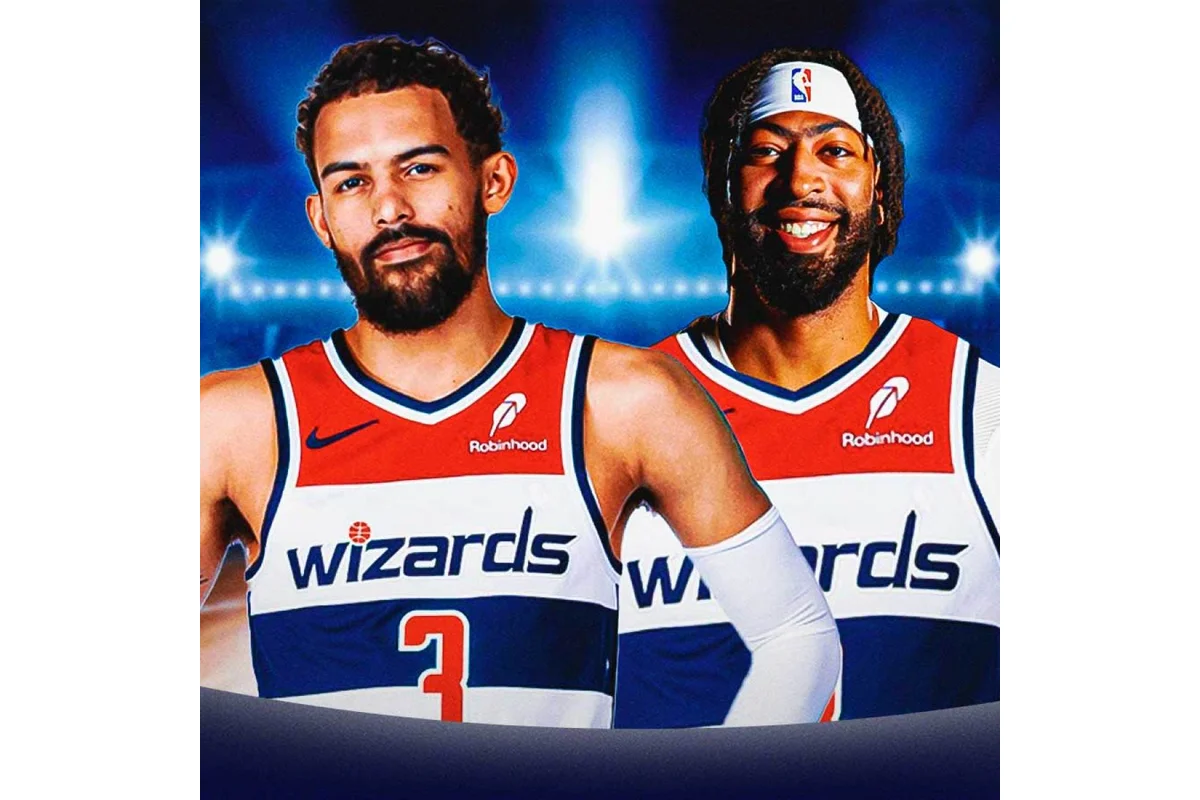
Trae Young trade sparks tanking concerns across the NBA league. [Image Source: PROFOOTBALLNETWORK]
On February 5, the Washington Wizards completed a surprising trade that sent shockwaves through the NBA landscape by acquiring injured stars Trae Young and Anthony Davis. These transactions fueled ongoing concerns about tanking—a strategy where teams deliberately weaken themselves to secure better draft picks. Both players are sidelined with injuries, creating uncertainty over their return timeline and intensifying the discussion on whether these deals were made to prioritize future rebuilding over current competitiveness.
ESPN’s Brian Windhorst reported that frustration is growing within the league regarding teams that trade for injured players as part of a long-term tanking strategy. This trend has captured the attention of the NBA’s competition committee, sparking discussions about potential policy changes to limit such tactics, although any new rules are unlikely to be implemented this season.
League Officials Grapple with the Growing Tanking Debate
The issue of strategic tanking was recently a topic at an NBA competition committee meeting, highlighting the sport’s unease with teams that appear to prioritize draft positioning over meaningful competition. As Windhorst noted,
“The topic of these long-range non-competitive maneuvers was raised at a recent NBA competition committee meeting.”
Despite talk of policy reform, effective changes to address this tactic will not take effect this year, leaving the door open for the continuation of intentional losing.
The debate has sparked vivid metaphors from league insiders. One team president warned,
Image of: Trae Young
“You’ve heard of Icarus and what happens when you fly too close to the sun, I think some teams are in danger of flying too close to the ground.”
The warning hints at the risks franchises take by embracing a lose-now-to-win-later approach, which may ultimately damage the league’s competitive balance and fan engagement.
Other Teams Also Engage in Questionable Roster Strategies
The Wizards’ moves are not isolated, as several franchises have adopted similar approaches. For example, the Brooklyn Nets have amassed five first-round picks while relying on one of the youngest lineups in the NBA. Despite lacking control over many of their future first-round selections, Brooklyn remains focused on securing top-tier draft picks and plans to use Michael Porter Jr. as a trade asset while preparing to spend a substantial amount in free agency.
Similarly, the Indiana Pacers are rebuilding around star guard Tyrese Haliburton, recovering from an Achilles injury. They added Ivica Zubac from the Los Angeles Clippers to strengthen their roster. However, Zubac soon suffered ankle soreness, sidelining him for several games, complicating the team’s immediate competitiveness.
Washington’s Use of Injured Stars Highlights Tanking Debate
Washington Wizards General Manager Will Dawkins expressed hope that Anthony Davis will return this season despite his January 8 hand ligament injury. Dawkins explained,
“go back to Dallas and finish his rehab.”
He added that Davis will undergo a crucial medical evaluation during the All-Star break to assess progress, after which he plans for Davis to rejoin the team.
The Wizards’ roster was overhauled after years of instability linked to John Wall’s decline during the pandemic. On January 9, the team acquired Trae Young from the Atlanta Hawks by trading CJ McCollum and Corey Kispert, both salary-matching players. Shortly after, the Wizards secured Anthony Davis from the Dallas Mavericks, giving up two lower-value first-round picks as part of the deal.
Despite the acquisition of these veterans, both Davis and Young have been sidelined due to injury concerns and draft strategy considerations. The Wizards are also hindered by conditions related to a past deal involving Russell Westbrook, which could cost them a conditional first-round pick if they avoid a bottom-four finish in the standings.
In a game against Brooklyn, minor injuries to main contributors and the extended playtime of Will Riley, Jamir Watkins, and undrafted Keshon Gilbert contributed to a 34-point deficit within just the first 17 minutes. Such events have intensified scrutiny over whether the Wolverines are deliberately undermining their competitiveness to enhance draft positioning.
Given these developments, calls have intensified for NBA Commissioner Adam Silver to step in and impose stricter rules to curb tanking practices.
Implications and Outlook for the NBA
With the return dates of Anthony Davis and Trae Young still uncertain, the Washington Wizards’ situation underscores a troubling trend of teams leveraging injury and roster decisions for long-term gains at the expense of immediate competition. This practice raises anxiety among fans and league officials alike, as the integrity of the NBA’s competitive landscape hangs in the balance.
The ongoing debate highlights deep tensions within the league about its future direction and the need for decisive leadership. As teams continue to navigate injury risks and draft positioning, Commissioner Silver’s role becomes increasingly critical in determining how the NBA will balance player health, competitiveness, and the specter of strategic tanking.
There is some “irritation” in the league about tanking teams trading for injured players, per @WindhorstESPN
“The topic of these long-range non-competitive maneuvers was raised at a recent NBA competition committee meeting.”