
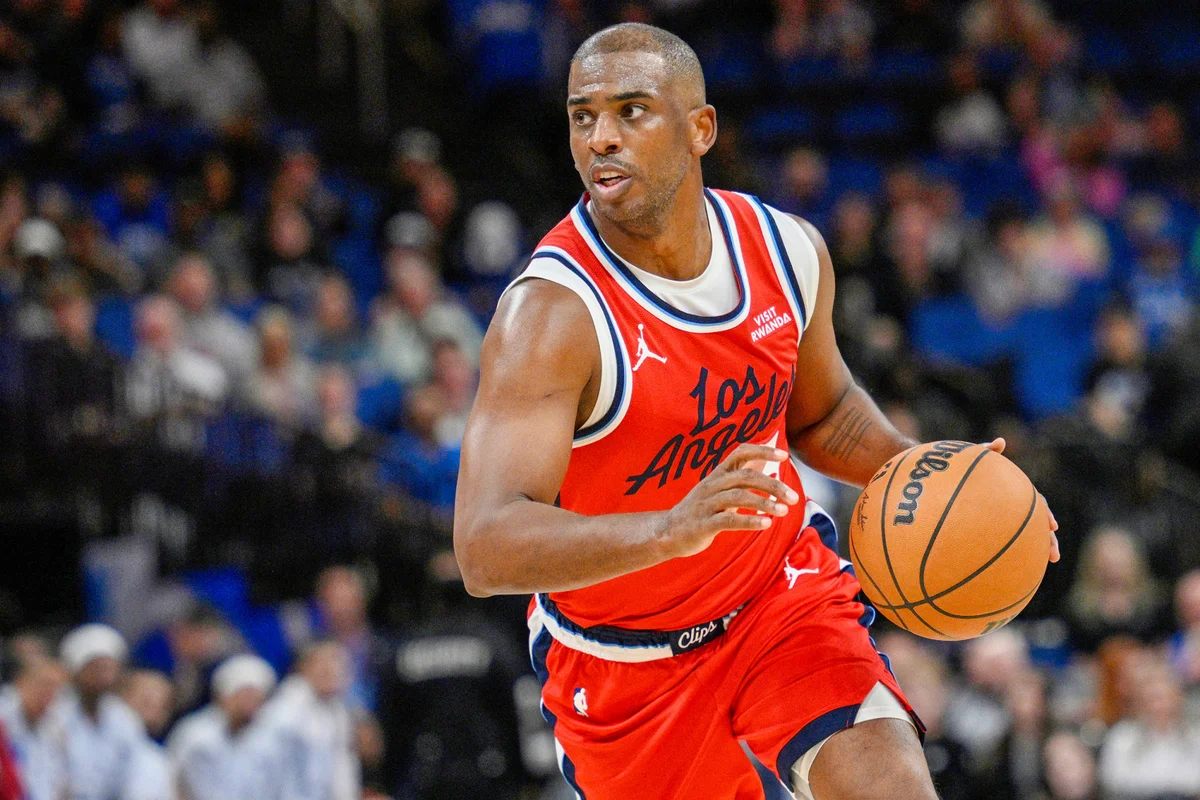
Chris Paul announced his retirement on Friday, closing the final chapter of a basketball journey that began in New Orleans with the Hornets during the 2010-11 season, before the franchise became the Pelicans. Though his last game in New Orleans was over a decade ago, the impact of his time there remains a defining highlight of his career and legacy.
After moving beyond New Orleans, Paul’s career included six seasons with the Los Angeles Clippers, followed by stints with the Phoenix Suns, Houston Rockets, Oklahoma City Thunder, Golden State Warriors, and San Antonio Spurs. This season, he briefly returned to the Clippers but was sidelined after a disagreement and eventually traded to the Toronto Raptors, where he officially concluded his playing days.
New Orleans Celebrates Local Legends: Brees and Paul
Recent celebrations in New Orleans have honored Drew Brees, the Saints quarterback who earned first-ballot enshrinement in the Pro Football Hall of Fame. Brees’s unprecedented success, including the franchise’s only Super Bowl win, alongside his leadership especially after Hurricane Katrina, elevated the city’s spirit and pride. Although Brees spent 15 seasons in New Orleans, Chris Paul’s five seasons with the Hornets were just as impactful in the basketball realm and community.
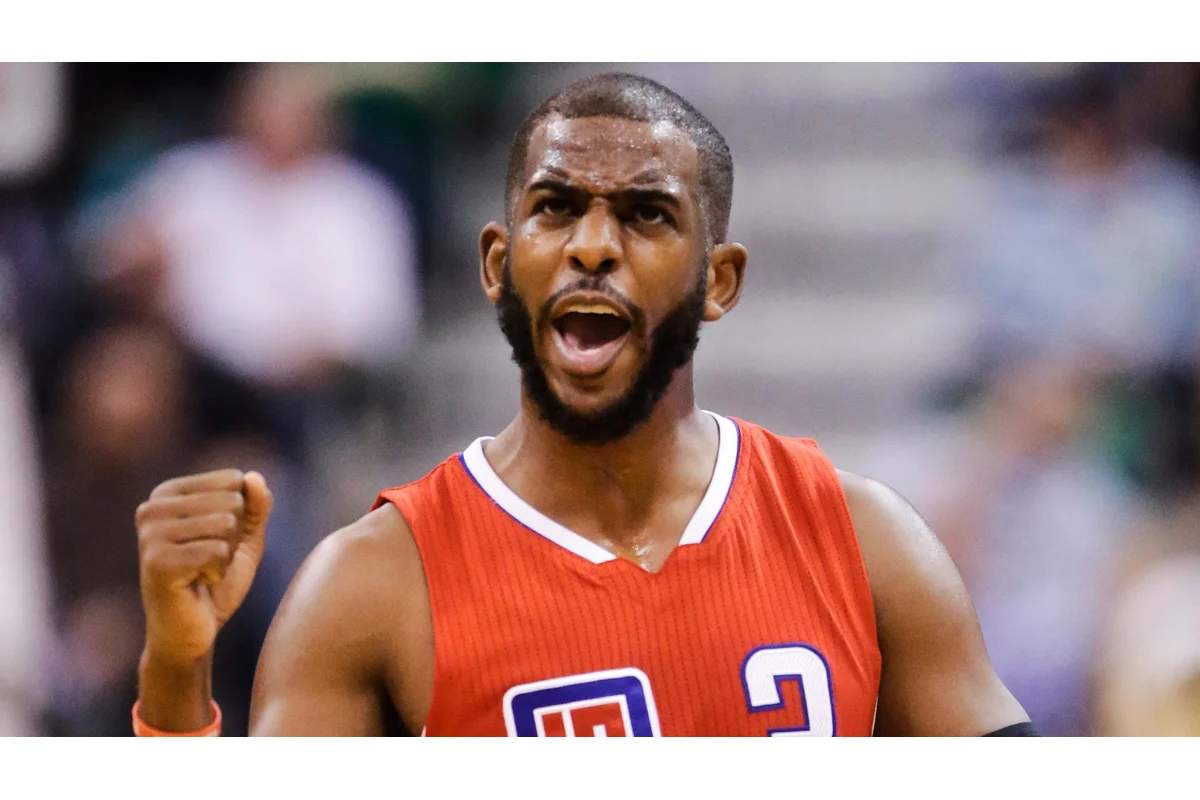
Paul was second only to Brees among athletes who helped revive New Orleans following Katrina’s devastation. He arrived in the city mere weeks before the hurricane struck, while Brees came nearly seven months later. Both athletes emerged as symbols of hope and resilience during a challenging chapter for the city.
Paul’s Draft and Early Promise in New Orleans
The Hornets acquired Paul in the 2005 NBA Draft with the fourth overall pick, a fortunate turn as several talented players, including Andrew Bogut, Marvin Williams, and Deron Williams, were selected before and after him. Paul’s career quickly distinguished itself as the most significant among that draft class, much like Brees’s stature in football despite being just under six feet tall.
Shortly after his retirement announcement, NBA Commissioner Adam Silver praised Paul, describing him as
“one of the greatest point guards in NBA history and a true steward of our sport.”
Silver also highlighted Paul’s leadership, stating,
“From the moment he entered the league, Chris distinguished himself with his savvy playmaking skills, elite competitiveness and intense work ethic,”
and emphasized Paul’s role in the players’ association:
“His leadership on behalf of the players was essential in negotiating collective bargaining agreements, helping guide the league through a pandemic, addressing important societal issues and so much more.”
Chris Paul’s Role in New Orleans’ Recovery After Katrina
Following Hurricane Katrina, the Hornets temporarily relocated to Oklahoma City, mirroring how the Saints spent time in San Antonio. Throughout the disruption, Paul demonstrated his commitment to the city by supporting local families, organizing Thanksgiving meals, funding Christmas shopping sprees, and helping to rebuild basketball courts before even playing his first game in New Orleans.
Though limited to a handful of games in New Orleans during the 2005-06 and 2006-07 seasons due to the team’s relocation, Paul returned full-time for the 2007-08 season. That year, he earned his first of 12 All-Star selections while playing in front of the New Orleans home crowd. He led the Hornets to a franchise record of 56 wins, the team’s only division title, and advanced past the first round of the playoffs twice, nearly overcoming the San Antonio Spurs in a seven-game Western Conference semifinal series.
Trade Turmoil and Legacy with the Hornets and Clippers
Paul’s tenure in New Orleans ended amid ownership turmoil when the franchise was temporarily run by the NBA. A proposed trade to the Los Angeles Lakers was vetoed by Commissioner David Stern, resulting in Paul’s move to the Clippers instead. Over his career, he played an equal number of games (425) for both the Hornets and Clippers.
Despite his relatively brief time in New Orleans compared to other players, Paul’s influence on the city’s sports culture was immense, matched only by Drew Brees and perhaps Pete Maravich as basketball figures connected to the city.
Unfulfilled Return and Honors Awaited
The unresolved conflict between Paul and the Clippers last year prevented him from returning to New Orleans for scheduled games in March, which could have been an opportunity for a homecoming tribute. Many hope the Pelicans will eventually honor Paul by retiring his “CP3” jersey at the Smoothie King Center, celebrating his profound contributions to New Orleans basketball and community.
Paul Reflects on His Departure and Lasting Connection to New Orleans
Years after his trade, Paul shared with ESPN the emotional toll of leaving New Orleans abruptly:
“I remember crying when the plane was taking off,”
recalling how trades leave players little time to say farewell. He also expressed deep gratitude for the city’s impact on his life, stating,
“But the city of New Orleans made me who I am as a person and who I am as a player. I’ll never forget that.”

