
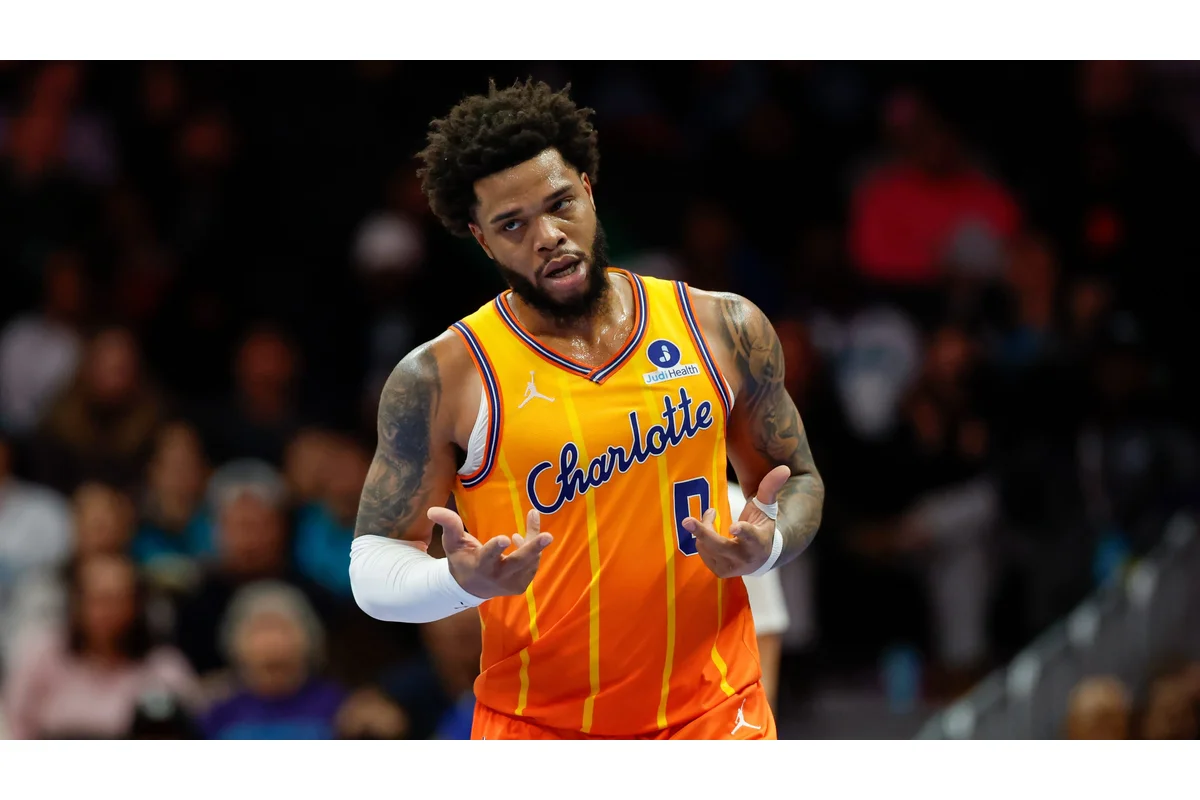
During the New York Knicks‘ 126–111 defeat to the Detroit Pistons at Madison Square Garden on Thursday, head coach Mike Brown was questioned about his choice to bench Mikal Bridges early in the final quarter. Brown described the decision as a strategic move based on the game’s flow rather than a punishment. He highlighted the need for scoring late in the game and explained that Landry Shamet, who had made a couple of shots, was given more playing time to boost the offense.
Landry had hit a couple shots. We needed to score,
Brown said via the New York Post.
They’re both really good defenders. And so I just stayed with Landry. But it wasn’t anything where, ‘Oh, I’m going to sit Mikal because he’s not doing this, or he’s not doing that.’ We were looking to score points, and Landry was the only one to make a shot from behind the arc.
Key Moments Leading to Bridges’ Removal from the Game
While Brown’s explanation framed the substitution as situational, the in-game events suggest greater urgency. At the start of the fourth quarter, with the Knicks already behind, Bridges was involved in a series of negative plays that accelerated the decision to replace him. First, at 11:43 left, his attempted pass to Jeremy Sochan was intercepted by Detroit’s defense. Shortly after, Bridges missed a contested three-pointer, and then he committed a foul on Javonte Green during a fast break. These plays allowed Detroit to extend its lead to 97–81, prompting Brown to take a timeout and pull Bridges from the game for the remainder of the quarter.
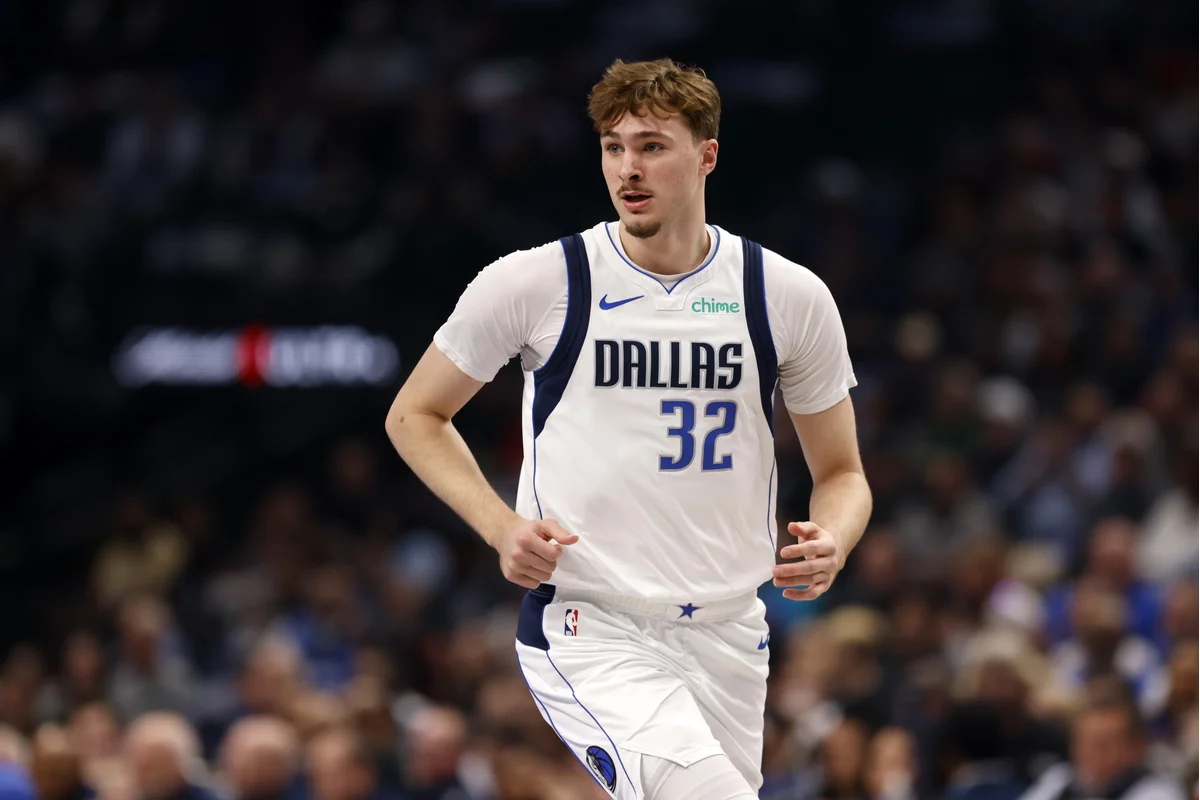
Landry Shamet’s Offensive Contribution after Entering the Game
Following the substitution, Shamet helped the Knicks momentarily narrow the deficit. He scored a layup with just over five minutes remaining, bringing New York within 109–97 and injecting a brief burst of energy into the game. However, the Pistons quickly responded, with Cade Cunningham and Daniss Jenkins orchestrating a strong finish that secured the margin. Shamet ended the night with 15 points on 40% shooting, including three made three-pointers, while Bridges managed only eight points and missed all his three-point attempts.
Bridges’ Defensive Efforts Versus Offensive Struggles
Although Bridges struggled offensively, his defensive performance was notably strong. Despite Cunningham scoring 42 points overall, Bridges limited Detroit’s star to just 1-of-5 shooting when matched against him, according to NBA.com’s matchup data. The Knicks’ defense improved whenever Bridges was on the floor guarding Cunningham, illustrating his value as a defender. Nevertheless, the lack of offensive contribution was critical, especially considering that the Knicks acquired Bridges at a steep price of five first-round picks and invested $150 million in a contract extension designed to secure his two-way impact.
OG Anunoby’s Return and Its Implications for Knicks’ Defense
Complicating the situation was the uneven return of OG Anunoby, who rejoined the lineup after missing four games due to a painful right toenail injury. Anunoby had difficulty containing Cunningham, allowing 10 points on 4-of-9 shooting during his matchup, as per NBA.com. With Bridges sidelined and Anunoby unable to control Detroit’s offensive star, the Knicks’ defensive structure weakened in the game’s crucial moments. Notably, Anunoby received the franchise’s largest contract—five years and $212.5 million—intended to make him a defensive cornerstone for such high-stakes encounters.
We want to try to keep the ball off the middle of the floor,
Brown said.
And we didn’t do a good job of it. We allowed him to get to the middle of the floor often. And when he got to the middle of the floor, he hurt us.
Detroit Pistons’ Dominance Highlights Knicks’ Limitations
The loss against Detroit extended an unfavorable trend, with the Pistons now having beaten the Knicks in three consecutive games by a combined 84 points. What was once viewed as a test against a comparable opponent has instead underscored New York’s fragile margin for error, especially when its top wing players fail to produce offensively. Although Brown emphasized that his decision to bench Bridges was driven by the immediate need for shooting, the broader context of the struggling season made the substitution a telling moment.
The Knicks required perimeter scoring to close the gap, and Shamet provided a temporary spark where Bridges could not. This choice to prioritize short-term offensive gains over sustained defensive reliability revealed the ongoing tension within the team’s performance. Ultimately, Brown’s move highlighted the difficult balance between patience with a defensive stalwart and the pressing demands of a season slipping toward urgency.
