
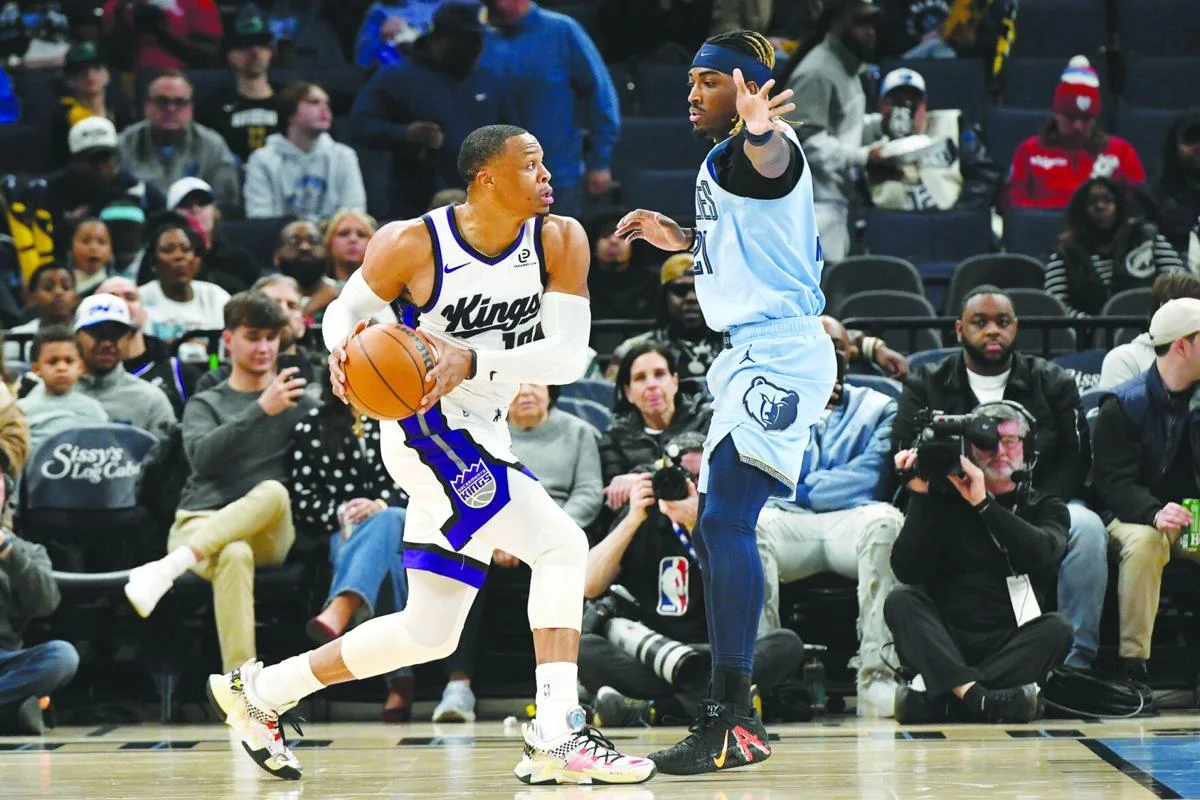
As the NBA season progresses past the All-Star break, evaluating players who are underutilized is increasingly important. Several NBA players needing more minutes are already part of their team’s rotation but have yet to receive the consistent playing time their performances justify. This assessment includes athletes from various teams, not solely those in rebuilding phases, highlighting candidates poised to make greater impacts in high-stakes situations.
Brooklyn Nets’ Drake Powell Should Earn More Court Time
Drake Powell has not yet solidified a role as a consistent 25-to-30-minute contributor for the Brooklyn Nets despite flashes of effectiveness during the season. With Brooklyn’s focus shifting toward draft positioning, there is little excuse to limit his minutes further.
Although Powell struggles with his three-point shooting—making less than 30 percent—he compensates with quickness and strong ball movement during drives and finishes efficiently at the rim, converting approximately 70 percent of attempts near the basket. His contributions on transition offense stand out as above average, supporting the case for greater playing time.
Defense is where Powell’s value becomes clear. He holds his own against larger or more physical ball handlers and is difficult to shake off screens when defending downhill. This versatility allows the Nets to deploy him effectively against skilled opponents like Jalen Brunson, Donovan Mitchell, Cade Cunningham, and Jaylen Brown. While he may not be a star in hiding, Powell’s skill set is precisely what many teams look for in a reliable role player.
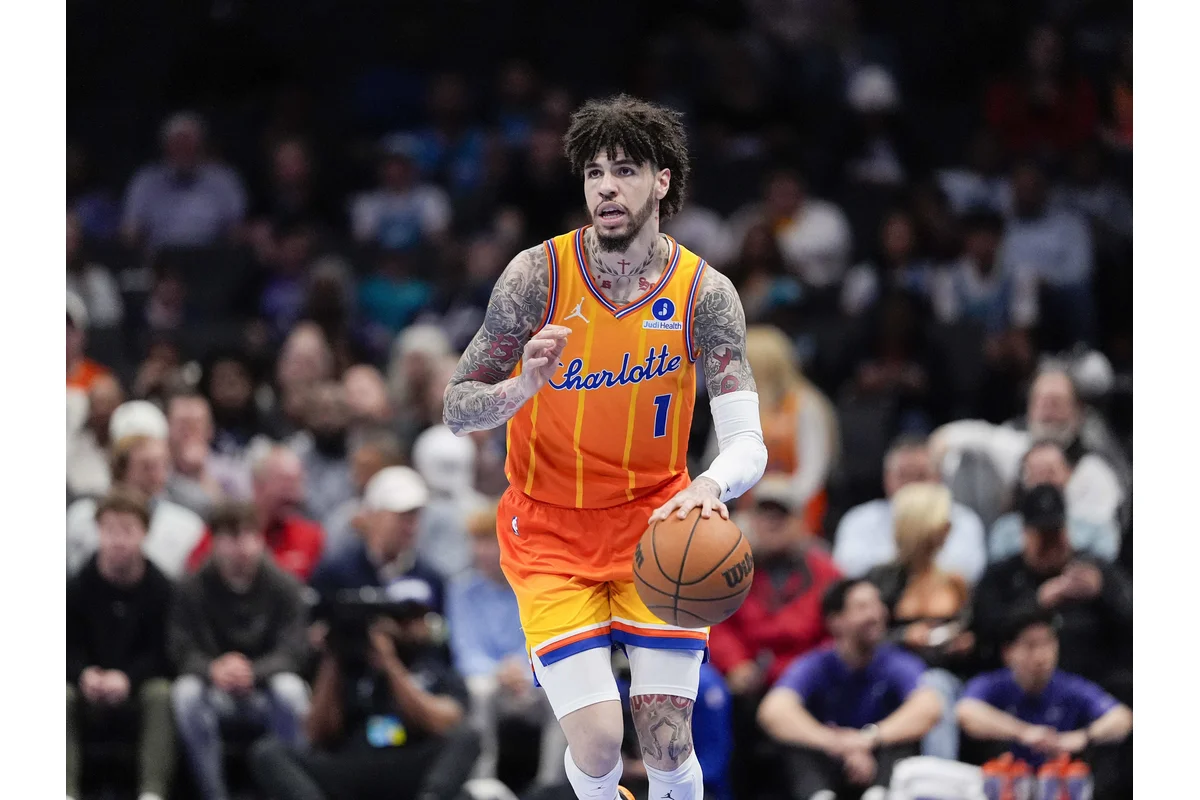
Memphis Grizzlies’ Taylor Hendricks Poised for Expanded Role
After a devastating right leg injury curtailed most of his sophomore season and led to his exit from the Utah Jazz’s long-term plans, Taylor Hendricks has landed with the Memphis Grizzlies, where his playing time has begun to increase. His minutes need to keep trending upward as Memphis searches for a dependable big man alongside Zach Edey, Jaylen Wells, and Cedric Coward.
While Hendricks is not yet fully recovered in terms of mobility, his defensive versatility remains effective. He can handle high pick-up points and may even contribute as a center, providing flexibility for the Grizzlies. Offensively, Hendricks is less polished; he has flashes of a driving game but remains an inconsistent finisher and shooter. Nevertheless, Memphis has ample ball-handlers to support integrating him into a higher-usage role, particularly in screening situations, and should not hesitate to allot him touches when backcourt depth is challenged.
Miami Heat’s Kasparas Jakučionis: Rookie Potential in Critical Moments
Kasparas Jakučionis has faced an injury-plagued start to his rookie season with the Miami Heat and, although he has earned some playing time ahead of the All-Star break, he has yet to become a solidified rotation player amid Miami’s playoff push.
Jakučionis’ passing ability stands out remarkably, showing a level of creative vision reminiscent of some historic Heat figures. His ability to create off the dribble brings an unpredictable element to the offense and has coincided with the team generating more opportunities at the rim and in corner threes when he is on the floor.
Shooting inside the arc remains a challenge, with Jakučionis making less than 31 percent of those attempts, including a modest 42 percent near the rim. However, his shooting from beyond the three-point line is impressive, connecting on over 45 percent of his attempts, which allows the Heat to tolerate early finishing lapses. Prioritizing Jakučionis’ development could enhance Miami’s offense immediately and over the longer term.
New York Knicks’ Mohamed Diawara Offers Reliable Three-Point Shooting
Mohamed Diawara looked like a promising reserve wing for the New York Knicks heading into the All-Star break, a significant asset on a team lacking quality depth in that role. However, head coach Mike Brown’s fluctuating trust in younger players and the emergence of rookie Jeremy Sochan threaten Diawara’s playing time.
While Sochan brings greater ball movement and strong one-on-one defense, Diawara has proved to be the more dependable three-point shooter. He is shooting 41.3 percent from deep on nearly seven attempts per 36 minutes, whereas Sochan sits at a 28.7 percent mark on fewer attempts.
It would be understandable to default to the more experienced Sochan if Diawara struggled defensively, but he holds his own and can guard multiple positions. Although he is not expected to shut down elite scorers like Jaylen Brown regularly, Diawara’s ability to stretch the floor makes him a more valuable asset. Given the Knicks’ offensive spacing needs and their use of non-spacers like Mitchell Robinson, maintaining Diawara as a rotation priority makes strategic sense.
Portland Trail Blazers’ Vit Krejčí on Track for Increased Minutes
Since his trade to the Portland Trail Blazers, Vit Krejčí has seen a significant rise in his role, consistently logging at least 20 minutes per game and occasionally exceeding 25. Portland’s offense, ranked near the bottom in three-point conversion, would benefit from expanding Krejčí’s minutes closer to 30 per contest.
Krejčí offers the Blazers a much-needed outside shooting threat. Though somewhat inconsistent, he has maintained a 42 percent shooting rate on three-pointers over the last three seasons, attempting nearly seven per 36 minutes. His 6’8” frame and ability to handle secondary ball duties further increase his value by providing versatility across guard and forward positions.
While an increase in his minutes might come with some defensive compromises, Portland’s persistent struggles on offense necessitate adjustments. Elevating Krejčí’s role could ignite the team’s stagnant half-court efficiency.
Importance of Expanding Playing Time for These Key Players
Across a range of teams such as the Brooklyn Nets, Memphis Grizzlies, Miami Heat, New York Knicks, and Portland Trail Blazers, the outlined players exhibit distinct qualities warranting increased minutes. Many of these athletes excel defensively, provide crucial shooting or playmaking, or offer versatility needed in today’s NBA. Their elevated involvement could positively influence their teams’ immediate competitiveness while also fostering player development critical to future success.
For organizations navigating playoff pushes, tanking, or roster transitions, integrating these players more fully could unlock productive rotations and depth. Coaches facing tough decisions about where to allocate minutes will need to weigh the potential contributions of these players against existing roles, with the potential payoff being significant in league standings and team dynamics.
