
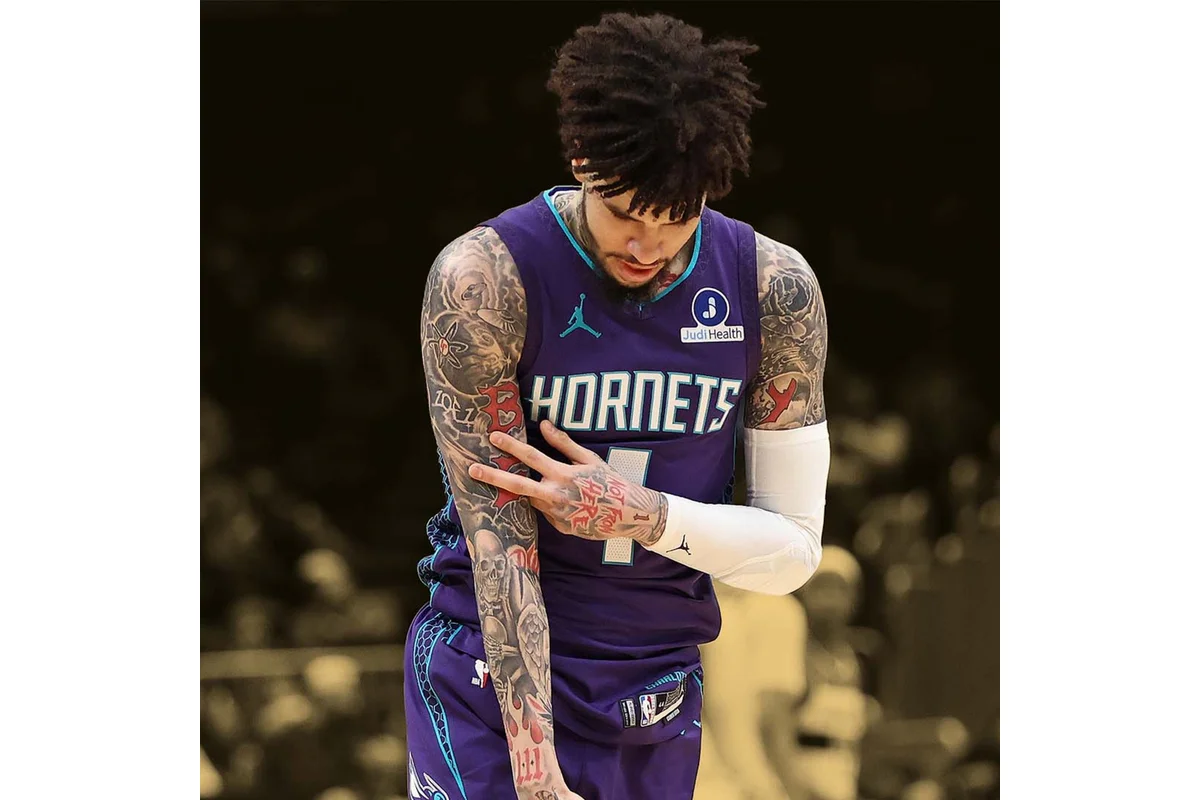
Michael Porter Jr. has displayed two distinct versions of himself across the NBA season, splitting noticeably between his pre-All-Star break and post-All-Star break performances. This Michael Porter Jr. slump is especially clear in his overall statistics, reflecting a shift that has caught the attention of fans and analysts alike.
Leading up to the All-Star break, Porter was producing numbers worthy of serious All-Star consideration. Over 41 games, he averaged an impressive 25.0 points, 7.2 rebounds, and 3.2 assists per game, while shooting 47.7% from the field, 38.5% from three-point range, and 85.3% from the free-throw line. This sustained production placed him among the notable scoring talents in the league, often sparking discussions about his potential All-Star status.
However, the subsequent four games since the break have painted a different story. Porter’s scoring dropped to 20.0 points per game, along with 5.3 rebounds and 4.0 assists, but more importantly, his shooting efficiency diminished considerably. His field goal percentage fell to 43.8% and his three-point shooting plummeted to a troubling 17.2%, an alarming decline for a shooter who had been so reliable from beyond the arc.
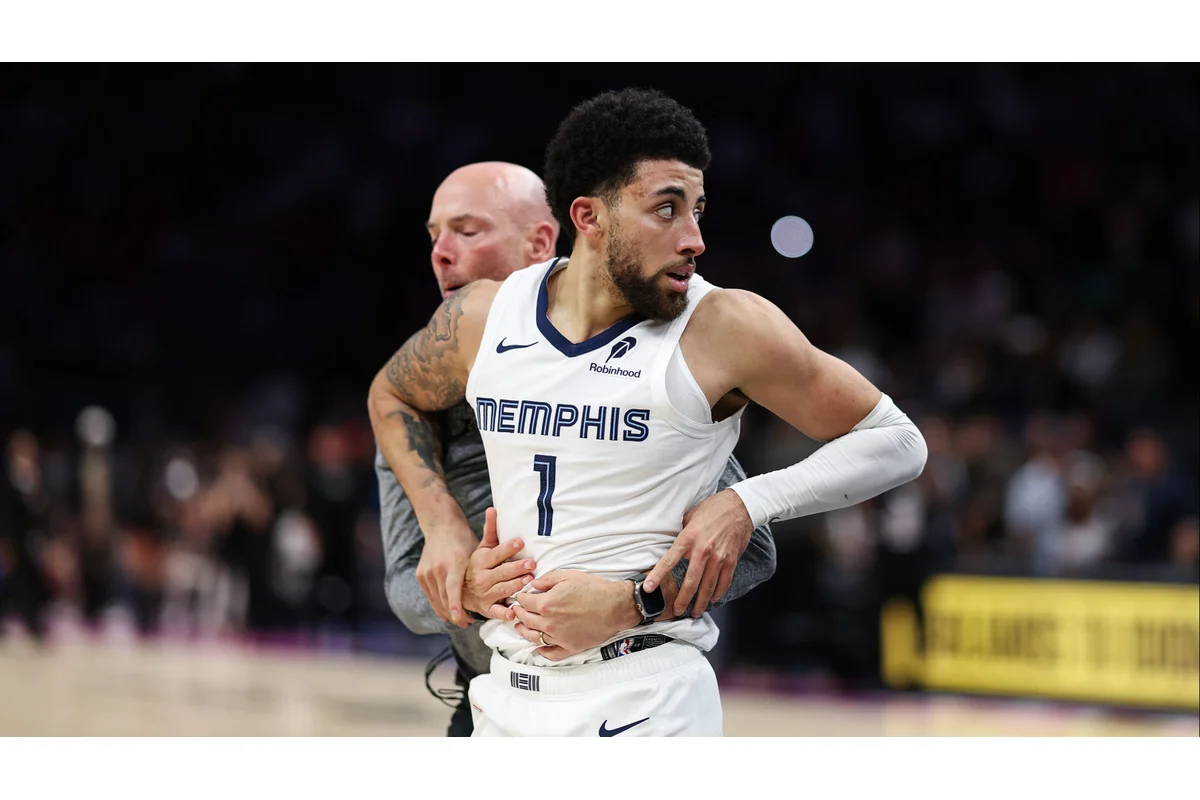
Missed Shots and the Struggle to Regain Rhythm
Specific struggles from three-point land have been a major part of Porter’s slump. He has made just 5 of 29 attempts from deep over these last four games, a cold streak that is uncharacteristic for his usual sharp shooting. Yet, despite these struggles on the perimeter, Porter’s mid-range and inside scoring have remained relatively strong. He continues to convert two-point shots at an impressive 65.7% rate, indicating that his fundamental skills are still intact even if his long-range shooting is out of sync.
Porter is acutely aware of his dip in form and does not shy away from admitting he hasn’t been at his best lately. He attributes his struggles partially to the disruption caused by the All-Star break, explaining that missing a few games and lacking regular practice time has thrown off his timing and rhythm—a critical factor for a shooter’s confidence and success.
“I’ve got to get back in rhythm. Before the All-Star break I didn’t play a couple games, and then I honestly didn’t do much over the break, so I’ve got to get back in rhythm and play better.”
?Michael Porter Jr., NBA Player
Porter describes the difficulty in regaining the “feel” and “timing” of his shot as a delicate process, something that can falter after just a short absence from game action or regular shooting practice. He emphasized how fragile this timing can be and explained that this is likely why his shooting hasn’t felt right for the past four or five games.
“It’s the feel. It’s the timing,”
“My shot hasn’t felt this off for the last four or five games. That’s what happens when you’re out of rhythm and you don’t play for a while. People don’t understand that you can lose your timing in two or three days of not playing. I think not playing before the break and not getting in the gym much during it, I’m paying the price for it, but I think I’ll get back to it sooner rather than later.”
?Michael Porter Jr., NBA Player
Defensive Attention Remains Unchanged, Says Porter
When asked whether opposing defenses have adjusted their approach to contain him, Porter rejects that idea. He insists the coverage he faces remains consistent with what he experienced before the All-Star break, with defenders continuing to close out aggressively and apply pressure on handoffs. The difference, Porter says, is rooted in his execution of shots he typically makes, rather than a change in how he is guarded.
“No, they’re still guarding me the same way,”
“They’re closing out tough, trying to blitz handoffs. I’m shooting tough shots, but they’re shots I normally make and I’m missing some I feel like I should make. I just have to get back to that good feeling when it leaves my hand.”
?Michael Porter Jr., NBA Player
Coach Jordi Fernández’s Perspective on Porter’s Slump
Nets head coach Jordi Fernández has responded to Porter’s struggles with a balanced outlook, resisting any panic despite recognizing the decline in shooting. Fernández maintains that the defensive treatment Porter receives has not shifted significantly, even when matched against top defenders and additional help defenders. He has praised Porter’s determination in staying active, particularly in his purposeful cuts and efforts to attack the rim, highlighting that Porter’s overall game remains engaged even if the shots aren’t falling.
Fernández stresses the importance of maintaining offensive versatility when a shooter is struggling to convert from deep. He encourages Porter to continue attacking the paint, making smart cuts, and forcing defenses to adjust by moving help defenders around, thus preventing defenses from zeroing in exclusively on his perimeter shooting. The coach also underscores the necessity for Porter to keep taking shots, as the worst response to a shooting slump is to hesitate or doubt one’s identity as a shooter.
Perspective on the Impact of a Short Shooting Slump
While the post-All-Star break numbers may look concerning, it is important to remember they represent just four games in contrast to the 41 games that preceded them. Any perimeter shooter can experience short-term variance that skews recent shooting splits. The bulk of Porter’s season demonstrates his true capabilities more reliably than a brief cold streak.
There is also a human element beneath these statistics. The hope of earning an All-Star selection appeared to carry significant emotional weight for Porter. Missing out on this recognition may be affecting his focus or motivation, although Porter does not heavily dwell on this publicly. It is equally possible that this rough patch is just a natural part of being a high-volume scorer, who faces such ups and downs regularly in the course of a season.
Long-Term Outlook and Commitment to Growth
Porter acknowledges this season demands a fresh mental approach, different from past years when the post-All-Star stretch primarily involved preparing for playoff competition. With the Brooklyn Nets out of playoff contention, Porter views this period more as a developmental phase, emphasizing growth, continuity, and chemistry over immediate results.
“This is a new situation that I’ve been in, but no basketball game is meaningless,”
“It’s all part of the journey. We’re not just looking at this year — we’re looking at the next one, two, three, four, five years. All these games matter for growth, continuity and chemistry. Sometimes it’s hard to focus on that, but we’ve got to come in and work every day and realize it’s a bigger picture. At the end of the day, we’re playing basketball, a game we all love.”
?Michael Porter Jr., NBA Player
Despite the recent difficulties, the focus on long-term improvement reflects Porter’s determination to build a sustainable career. His recognition of basketball as a process that transcends immediate results signals a mature perspective, one that values perseverance and continued effort through both highs and lows.
Overall, Michael Porter Jr.’s slump, while frustrating and noticeable, does not overshadow the strong season he built before the All-Star break. With his coach’s support and his own commitment to regaining form, Porter is positioned to overcome this challenging stretch and continue developing into a premier scorer and playmaker in the league.
