
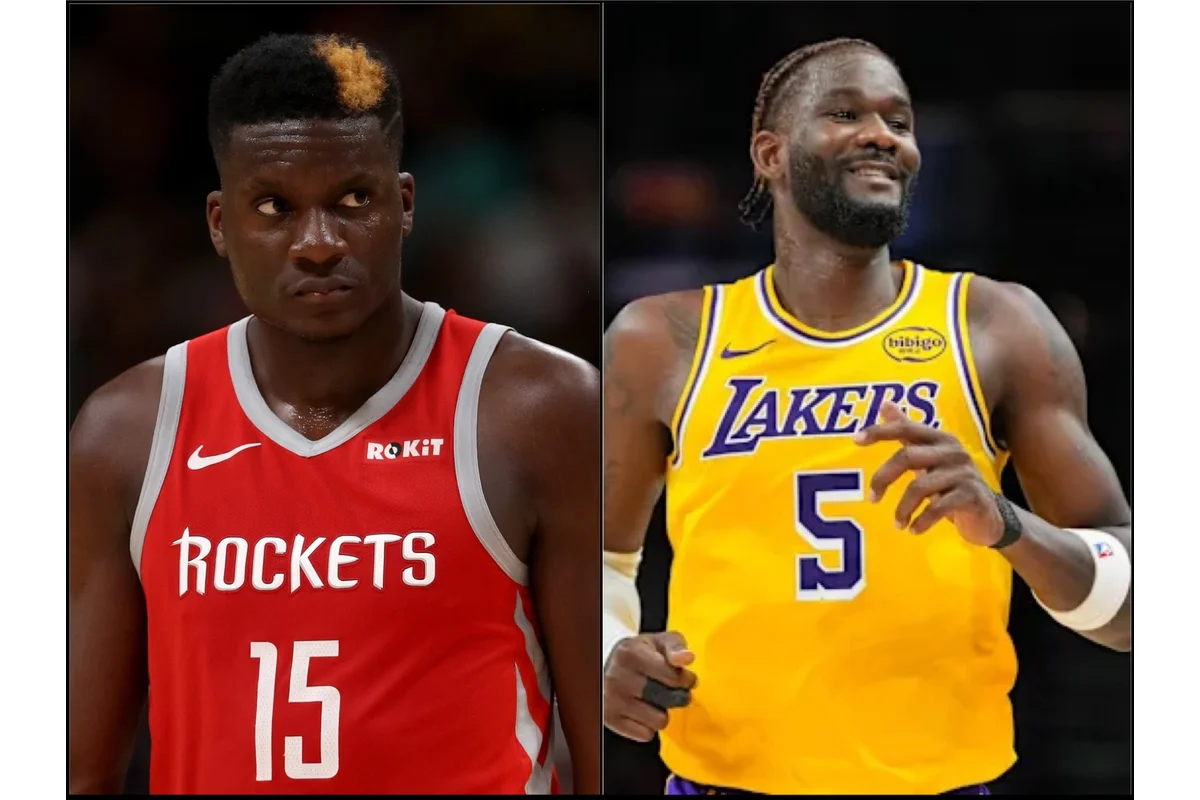
After the Los Angeles Lakers‘ defeat to the Orlando Magic on Tuesday, Deandre Ayton was overheard expressing frustration about being placed in a role similar to Clint Capela‘s. Capela, who currently plays for the Houston Rockets, has built his reputation as a rim-running center focused on rebounding and defense rather than scoring. This shift in role poses challenges for Ayton, given his status as a former No. 1 overall draft pick and expectations tied to that pedigree. The Lakers’ experiment with Ayton’s role reflects a strategic decision influenced by the presence of dominant creators like LeBron James, Luka Doncic, and Austin Reaves.
Understanding Clint Capela’s NBA Role
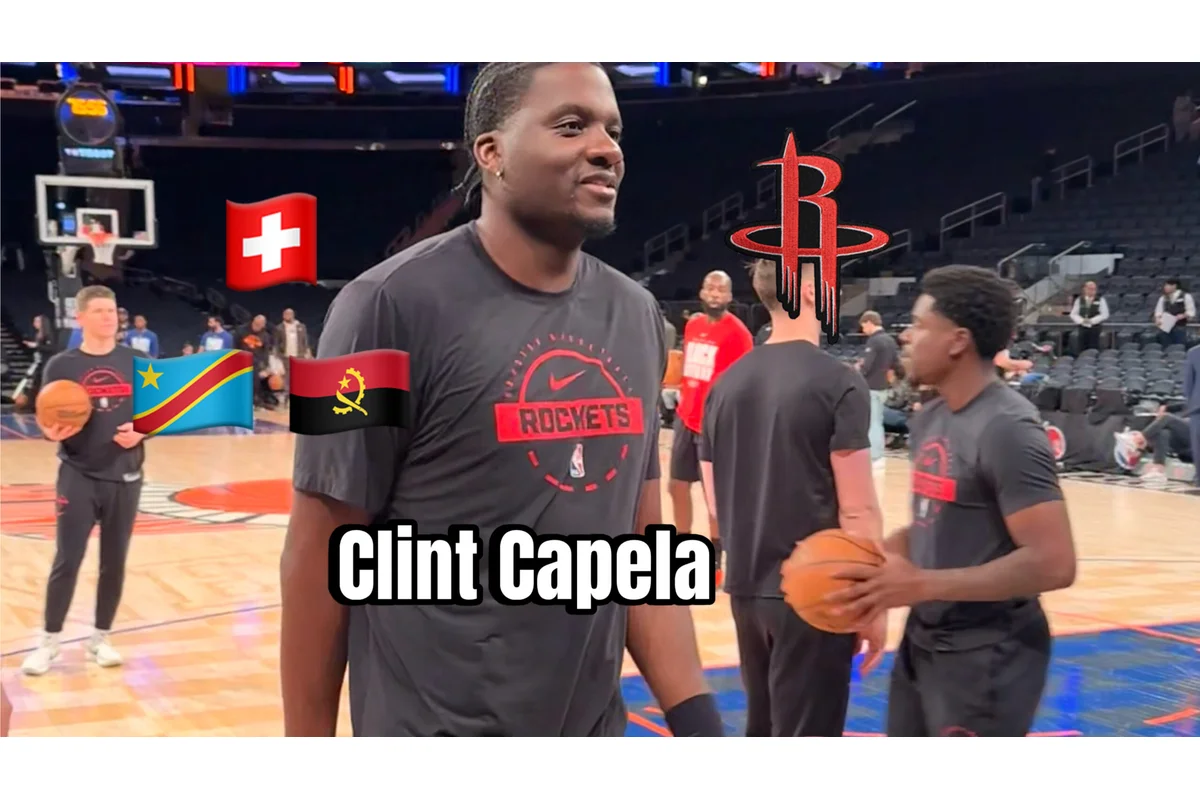
Clint Capela’s career highlights the value of a specialized role in the NBA. Though he has never been known for high scoring, his efficiency and consistency as a defensive anchor and rebounder have made him a key asset. Throughout his 12-year career, Capela has averaged 8.1 shot attempts per game with only two seasons seeing him attempt double-digit shots. His career averages with the Rockets, including 11.1 points, 9.0 rebounds, and 1.4 blocks per game on 61.4 percent shooting, illustrate a player who thrives by focusing on defense and inside presence. His consistent production helped the Rockets contend in the competitive Western Conference.
Ayton’s Journey and Expectations
Deandre Ayton entered the NBA as the top pick in the 2018 draft and has often been tasked with a more prominent offensive role compared to Capela. Except for this season, Ayton has taken at least 10 shots per game in every campaign. His signing with the Lakers brought some hesitation due to past behavioral concerns during his time with the Phoenix Suns and Portland Trail Blazers. Despite that, Ayton was aware of the need to adapt within the Lakers’ system, especially when sharing the court with high-usage teammates.
The Strategic Need for Role Adaptation
Ayton’s comments comparing his role with the Lakers to Capela’s seemed to carry an undertone that such a role felt beneath him. However, Capela’s example demonstrates how accepting a specific role can be vital to team success. According to Daniel Starkand of Lakers Nation, Ayton understood at the season’s onset that playing alongside creators like Doncic, James, and Reaves would limit his offensive opportunities. These players handle the ball and dominate shot attempts, making Ayton’s role as a defensive and rebounding presence more crucial.
Ayton’s Defensive Contributions and Challenges
Defensively, Ayton has shown promise in anchoring the Lakers’ interior defense. Head coach JJ Redick praised Ayton’s effort on this end, emphasizing the progress made through individual training and team defensive schemes.
“When he’s engaged, he’s been good. There’s some technique stuff that we’ve worked on with him all season, in his individual workouts and our defensive shells,”
Redick said.
“It‘s just more consistency. He’s shown he can do it. . .Deandre has told on himself. He can be a really good defender.”
This defensive presence is especially important for a Lakers team that has struggled defensively at times this season.
Balancing Offensive Efficiency With Role Acceptance
There is a trade-off between Ayton’s shot attempts and his shooting efficiency this season. While taking a career-low average of 9.0 field goal attempts per game, Ayton is converting at a career-best 66.7 percent. Sharing the floor with elite playmakers means that the shots Ayton takes will be of higher quality. Embracing a Capela-like role, focusing on defense and rebounding while maintaining offensive efficiency, can not only elevate the Lakers’ potential but also serve Ayton’s long-term career.
The Future Outlook for Ayton’s Lakers Tenure
Ayton currently has one more year left on his Lakers contract, contingent on his team option for the upcoming season. Whether he remains with Los Angeles or pursues opportunities elsewhere, demonstrating an ability to adapt and buy into a role similar to Capela’s will be essential to sustaining his NBA career. The league demands that players either excel as primary offensive options or master complementary roles, and Ayton’s background as a leading offensive player at Arizona and in high school contrasts sharply with the necessity of specialization at the pro level.
The Importance of Role Acceptance for Longevity
Adjusting to a supporting role focused on defense and efficiency is an often difficult but critical step for any NBA player who once held star status. For Ayton, recognizing his potential as a key complementary piece on a winning team is vital before opportunities diminish. His progression could influence not only his standing with the Lakers but also his overall trajectory in the league.
This is a Deandre Ayton quote after the Lakers' first preseason game:
“I wanted to show the team I’m more committed on the defensive end than the offensive end, in a way. Like I said from the get-go, I’m not really here for numbers. I’m just here for whatever the Lakers want me…
— Daniel Starkand (@DStarkand) February 26, 2026
