Two seasons ago, the Minnesota Timberwolves reached an impressive peak, winning 56 regular-season games and establishing themselves as the NBA‘s superior defensive squad with a level of consistency seldom matched. Their memorable triumph in Game 7 against the Denver Nuggets during the Western Conference semifinals left an unforgettable mark on their fan base.
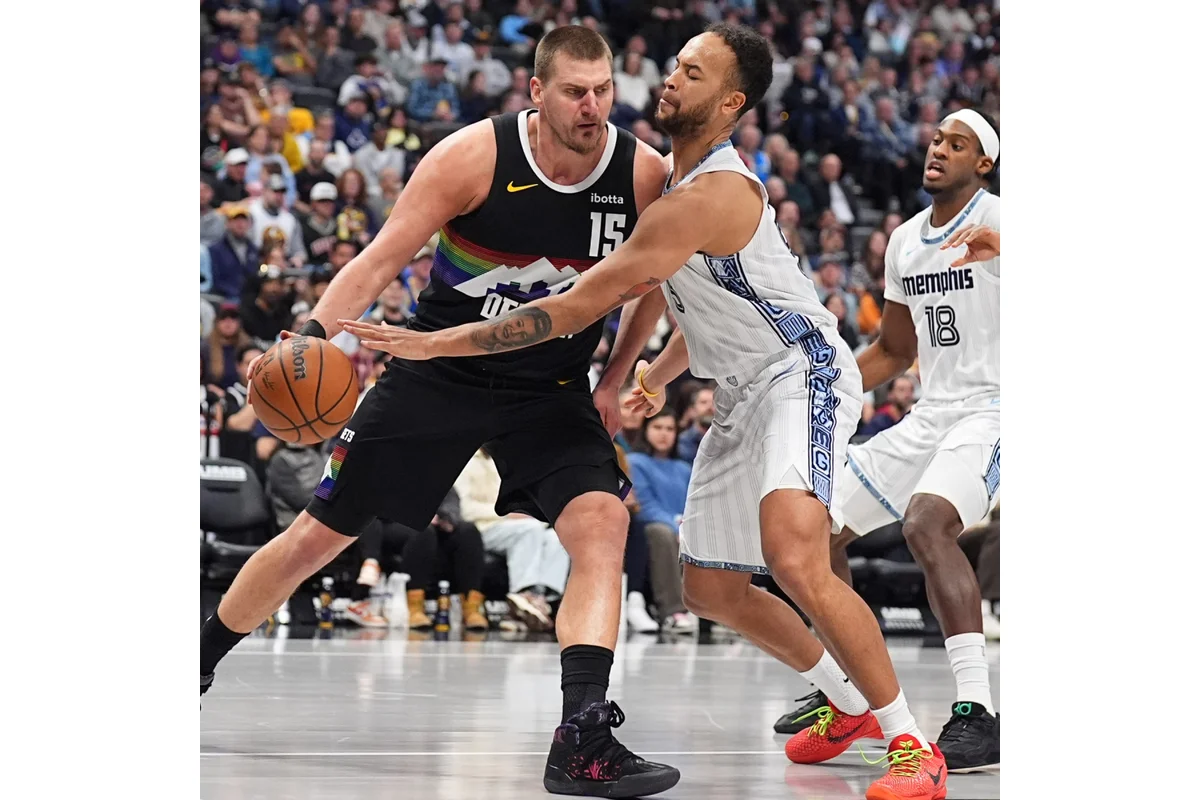
That series featured a Game 2 performance where Minnesota, despite missing Rudy Gobert, held Denver to just 80 points on 35% shooting—a dominant defensive display that reignited excitement among basketball enthusiasts. Nikola Jokic, the league MVP, was limited to 16 points on 5-for-13 shooting, largely due to the persistent defense of Kyle Anderson, who not only disrupted Jokic multiple times but also contributed nine rebounds and eight assists.
Key Moments From the Western Conference Finals Encounter
Facing a dire situation trailing 3-0 to the Dallas Mavericks in the Western Conference Finals, the Timberwolves eked out a lead by two points with just five minutes left in Game 4. Throughout the game, Anderson encouraged teammate Anthony Edwards to deliver a skip pass to the corner shooter. Taking matters into his own hands, Anderson directed Karl-Anthony Towns, who had recently nailed a triple, toward the corner by waving and clapping to gain his attention as Edwards moved closer to the paint on the opposite side.
Recalling the moment, Edwards said,
“He’s out there. I was dribbling the ball, I damn sure was about to shoot it.”
Edwards hesitated only after seeing Anderson’s insistence that the ball go to Towns in the corner.
Edwards connected with Towns, who was tightly guarded by Dallas’s Kyrie Irving. Anderson effectively used his body to shield Towns, allowing the big man to sink another three-pointer, increasing the Wolves’ lead to five points and eventually contributing to their victory.
Towns acknowledged Anderson’s impact from that game, saying,
“Kyle made that play happen. He made a lot of plays happen.”
Decline Since the 2023-24 Season and Current Team Challenges
Since that remarkable 2023-24 season, the Timberwolves have struggled to replicate their excellence. The team often leans on raw talent rather than structured execution, leading to inconsistent results. Despite maintaining good health compared to other Western Conference contenders, Minnesota finds itself in the playoff mix but outside the top tiers where true championship threats emerge.
Currently, the team ranks outside the top eight in defensive, offensive, and net ratings—metrics that normally hint at playoff durability and title potential. The ferocious defensive identity that once defined the Timberwolves has faded, affected by subtle but crucial roster and chemistry shifts.
While much of the core roster remains intact, with significant changes including departures of Karl-Anthony Towns and Nickeil Alexander-Walker, and additions like Donte DiVincenzo and Julius Randle, the intangible elements—professionalism, unity, and joy—have diminished. These qualities once allowed the Wolves to stand out as elite, but now they hover more around being a good, though not great, team.
The Return of Kyle Anderson: A Potential Turning Point?
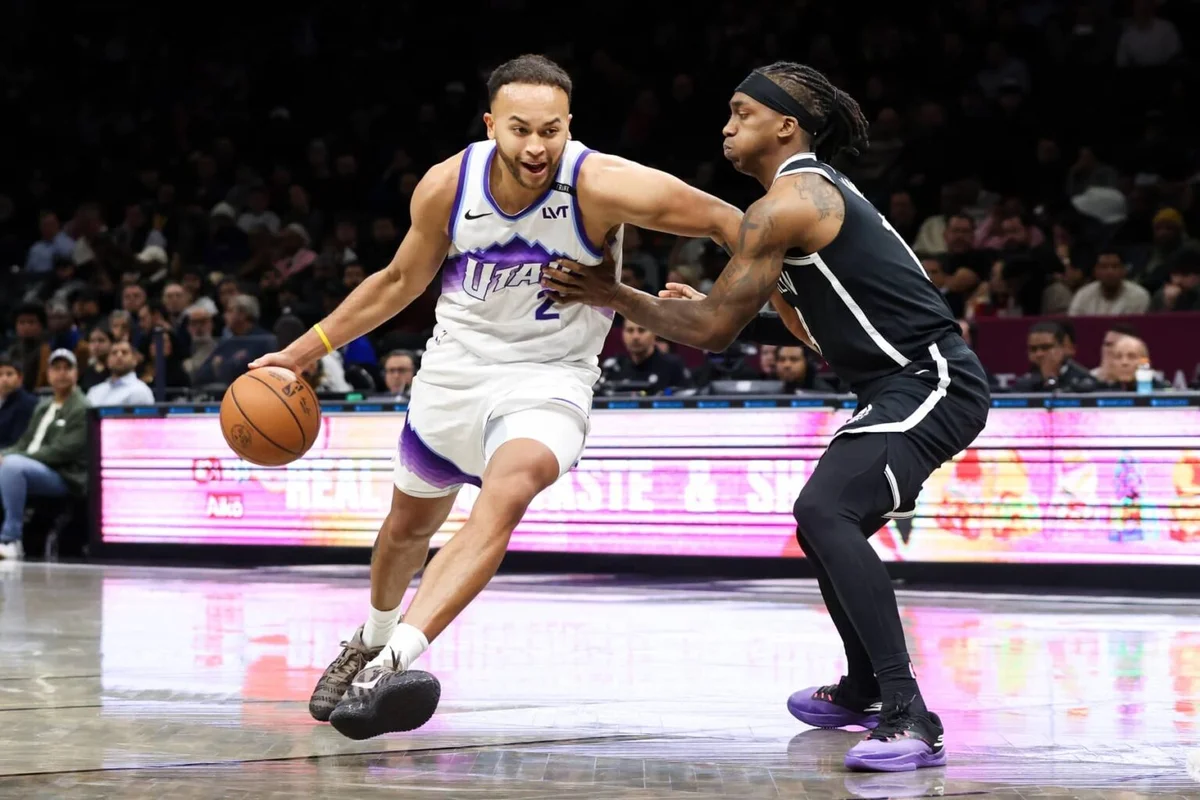
Kyle Anderson is on the verge of returning to Minnesota after receiving a buyout from Memphis and clearing waivers. Salary cap limitations prevented the Timberwolves from re-signing him during the 2024 offseason, leading to his brief tenure with Golden State and subsequent short stops in Miami and Utah. His recent struggles with playing time and impact have cast doubts on whether he can recapture his former influence.
Still, Anderson’s career statistics suggest he remains a capable and versatile defender. Timberwolves head coach Chris Finch cited Anderson alongside Anthony Edwards as a key part of a plan to reduce pressure on an aging Mike Conley, signaling that the coaching staff believes Anderson can still contribute meaningfully.
“We’ve got to get a better package around him, whether he’s at the one, whether he’s at the three, I think we can run more offense through him.”
– Chris Finch, Timberwolves coach
If this strategy plays out, Anderson’s offensive creativity and passing ability could address the Timberwolves’ often predictable offense, which largely relies on transition buckets or isolation plays. His previous Wolves stint allowed him the freedom to orchestrate offense and set plays, an essential piece in Finch’s system, which demands unselfishness and improvisation.
Finch has previously praised Anderson’s basketball intelligence and playmaking skill:
“He’s just so smart. He finds the right spaces, he gets the ball to the right people. Handling, screening, he’s play-calling. Yeah, I mean, it’s something.”
The Leadership Void and Anderson’s Off-Court Role
With Mike Conley transitioning out of a prominent role and no clear replacement emerging, Minnesota needs a player to fill both a leadership and a rotational role. Anderson’s influence extends beyond his minutes on the court; he was known for holding teammates accountable and demanding consistent effort and execution in practices and games.
This vocal leadership is something missing from the current Timberwolves squad. Anderson’s return mid-season could serve as a catalyst for the locker room, especially since he already shares established relationships with many players, having built respect and camaraderie during his previous tenure, including with Rudy Gobert, whose relationship with Anderson deepened despite an earlier on-court altercation.
Although joining a team mid-season and immediately assuming leadership responsibilities is challenging, familiarity provides Anderson with a smoother path. His willingness to confront and motivate teammates may inspire the intensity and cohesion the Timberwolves desperately need.
What Anderson’s Comeback Could Mean for the Timberwolves’ Future
While it is uncertain whether Anderson’s return will dramatically elevate the team’s overall performance, his combination of basketball acumen, accountability, and presence could help restore the competitive spirit lost since their last peak campaign. Minnesota’s current middle-of-the-pack status in the Western Conference underscores the need for renewed leadership and sharper execution.
More than just an eighth-man rotation piece, Anderson might be the missing glue needed to revive the Wolves’ identity as a tenacious defensive unit with unselfish offensive collaboration. If successful, this could improve Minnesota’s chances in the playoff race and stabilize the team as it navigates the challenges of aging personnel and roster flux.
The Timberwolves’ soul was notably diminished after their 2023-24 high point, but Anderson’s rare blend of experience, skill, and leadership may yet serve as the antidote for their struggles.