
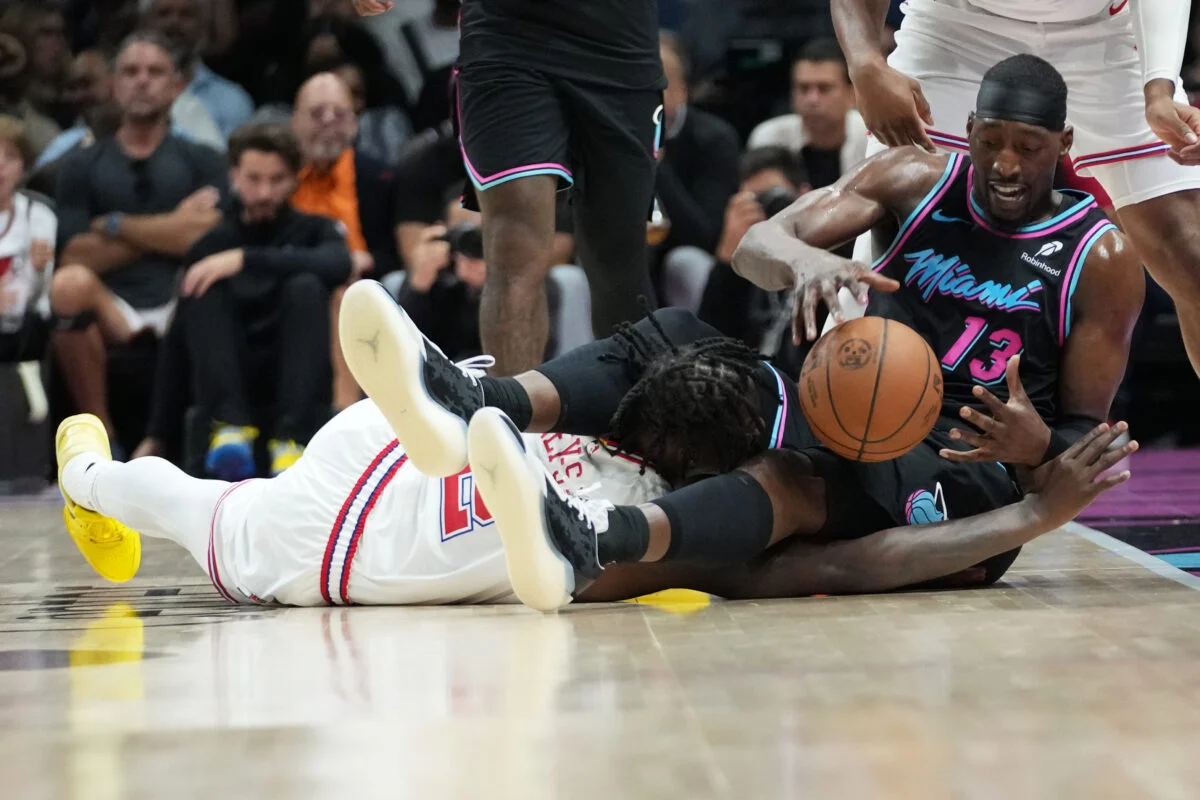
The NBA’s toughest seasons often lead to frustration and finger-pointing, but when examining the league’s worst teams, the NBA worst teams blame often falls squarely on ownership. Poor decisions at the top over multiple years generally doom a franchise, even if other factors contribute to their struggles. By focusing on the five worst NBA teams recently, excluding the Indiana Pacers’ unusual season, it’s possible to see where things unraveled and who bears responsibility.
How Kevin Durant’s Missed Shot Changed Brooklyn’s Fate
For the Brooklyn Nets, a single moment feels pivotal: Kevin Durant’s barely-inside-the-line shot with one second left in Game 7 of the 2021 Eastern Conference Semifinals against the Milwaukee Bucks. Had that shot been just a fraction longer — a fraction beyond the three-point line — it could have given Brooklyn a one-point lead and possibly the series win against the eventual champions.
Could that moment have altered the team’s destiny by keeping James Harden, Kyrie Irving, and Durant united longer, avoiding the forced teardown driven by trade demands? There’s no certitude, especially considering the challenge of maintaining harmony among those stars for extended period. Yet, it’s clear that without that missed shot, Brooklyn likely wouldn’t be in the weeds now, lacking a franchise cornerstone, having forfeited control over key draft picks, and years away from relevancy.
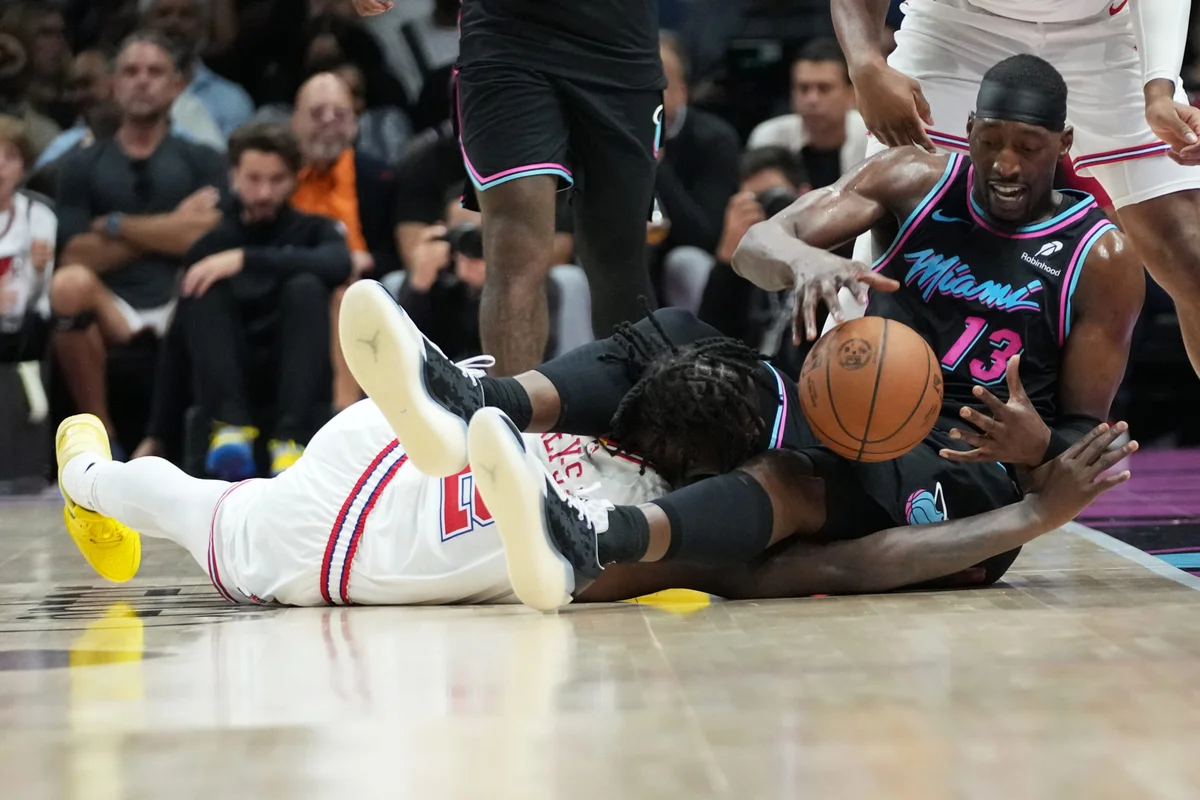
Washington Wizards’ Rebuild Undermined by Unlucky Drafts
The Washington Wizards’ struggles stem less from poor strategy and more from failed luck in the draft lottery, which hindered their rebuild after trading Bradley Beal. The team made the correct choice by embracing a losing stretch to accumulate young talent, but the draft outcomes were disappointing.
A prime example is the 2025 draft, when the Wizards had just a 14% chance at securing top prospect Cooper Flagg despite a historically bad previous season, ultimately sliding to the sixth pick. Although the 2024 No. 2 pick matched their 15-67 record, the draft class was weak at the top, with Alex Sarr lacking star potential expected from such a high pick.
Washington is projected to finish this season with a modest win total, but fierce competition from other low-ranking teams could push them out of the bottom four, reducing their odds of landing a true superstar from an especially deep draft pool. The Wizards’ inability to find franchise-altering talent through the draft spotlights how much luck factors into rebuilding success.
Vivek Ranadive’s Ownership Has Deepened Sacramento Kings’ Woes
Since Vivek Ranadive took ownership in 2013-14, the Sacramento Kings have not managed more than two winning seasons, a modest achievement that masks broader dysfunction. The franchise has rarely advanced past the first round of the playoffs, repeatedly botched drafts, and suffered from a revolving door of coaches and executives. Ranadive’s unpredictable interference and impatience has been a constant problem throughout.
His struggle to identify or retain competent coaches and talent evaluators undermines long-term development. A stark example is the fall from grace following two promising seasons when Coach of the Year Mike Brown was quickly let go, De’Aaron Fox was unfairly blamed and requested a trade, and disarray quickly followed. Even successful moves, like drafting Tyrese Haliburton, were undone by short-sighted trades.
This season, the Kings set a franchise record with 16 consecutive losses, ironically placing them in a strong position for a top pick in an exceptionally loaded draft. Yet this opportunity feels unearned given the team’s commitment to veterans expected to win now—a strategy that backfired spectacularly under Ranadive’s tenure.
Utah Jazz’s Struggles Fueled by Timely Performances at the Wrong Moments
Danny Ainge, known for his success constructing Boston Celtics contenders, took the helm in Utah in late 2021 and promptly dismantled a consistent playoff team to amass future assets. Acquiring Lauri Markkanen was a significant move, but the Jazz’s competitiveness ironically became a liability.
Utah began the 2022-23 season strong, with Markkanen earning All-Star and Most Improved Player honors, making it difficult for the team to tank for high draft picks. They were forced to sabotage their own season to finish under .500, a bitter outcome leading up to the draft featuring Victor Wembanyama. Similar patterns followed, including fines for resting players to maintain competitiveness despite needing losses for draft position.
Ultimately, Utah’s proficiency at key times has limited their ability to rebuild efficiently and may have led to costly decisions such as trading for Jaren Jackson Jr. and his large contract. What should be an advantage has instead handicapped their path to long-term success.
New Orleans Pelicans Hampered by Prioritizing the Saints
In New Orleans, dual ownership by the Benson family has long placed the Pelicans as secondary to the NFL’s Saints, creating persistent organizational challenges. NBA insiders noted years ago that
the organization only cares about the Saints
—Tom Haberstroh, NBC Sports— underscoring the Pelicans’ struggle for top-level attention and resources.
This lack of focus contributed to Anthony Davis forcing his way out, as sources informed The Athletic’s Sam Amick that Davis doubted whether ownership truly prioritized the basketball team. The shared facilities and staff tilted heavily toward the Saints, and even injury issues around 2016 were linked to football-centric medical oversight.
A recent example of questionable management was hiring Joe Dumars and Troy Weaver to oversee personnel, with Locked On Pelicans host Jake Madison calling it
the laziest and most uninspired move the Pelicans could have made.
This decision exemplifies ownership’s tendency to pick familiar names over conducting thorough searches, signaling a lack of commitment.
The Dumars era’s first major action was trading away rights to what could become the No. 1 pick in the 2026 draft— a move that risks setting the franchise back further. For the Pelicans, these factors contribute to a cycle of mismanagement and missed opportunity.
Why Ownership’s Role Is Crucial in Reversing the Trend
The struggles faced by the Brooklyn Nets, Washington Wizards, Sacramento Kings, Utah Jazz, and New Orleans Pelicans reveal that while player injuries, draft luck, and front-office decisions all play a part, ultimate accountability lies with ownership. Multiple seasons of underperformance rarely occur without fault at the highest level.
Ownership’s failure to commit fully, whether through impatience as with Sacramento’s Vivek Ranadive, a lack of priority as in New Orleans, or an overreach into personnel decisions like Brooklyn’s post-Durant era, creates the foundation for failure. Even smart moves by executives such as Danny Ainge with Utah can be undercut by broader strategic inconsistency.
As these franchises face upcoming drafts rich with talent like Victor Wembanyama and potentially five or six superstars, the question remains whether management will learn from past errors or repeat costly mistakes. For fans and analysts following these teams, the hope is that ownership recognizes the decisive role it plays in charting a winning path forward.
This is the LAZIEST and most uninspired move the Pelicans could have made
Look, maybe Dumars is the guy you want. But at least go through a process to interview and find the best person possible.
To basically finalize a deal less than 24 hours after firing Griffin is insane https://t.co/uPYbn6SIaW
— Jake Madison (@NOLAJake) April 15, 2025
