
The 2025 NFL season saw Alabama’s highest-paid player, quarterback Tua Tagovailoa, benched with just three games remaining. The Miami Dolphins invested $50,913,647 in Tagovailoa this year, marking the largest single-season payout for any player with Alabama football roots. Despite this, Tagovailoa was replaced by rookie quarterback Quinn Ewers, who earns $971,576, as Miami sought a change after a disappointing 6-8 record and Tagovailoa leading the league in interceptions.
Alabama Players’ Salaries Among NFL’s Top Earners
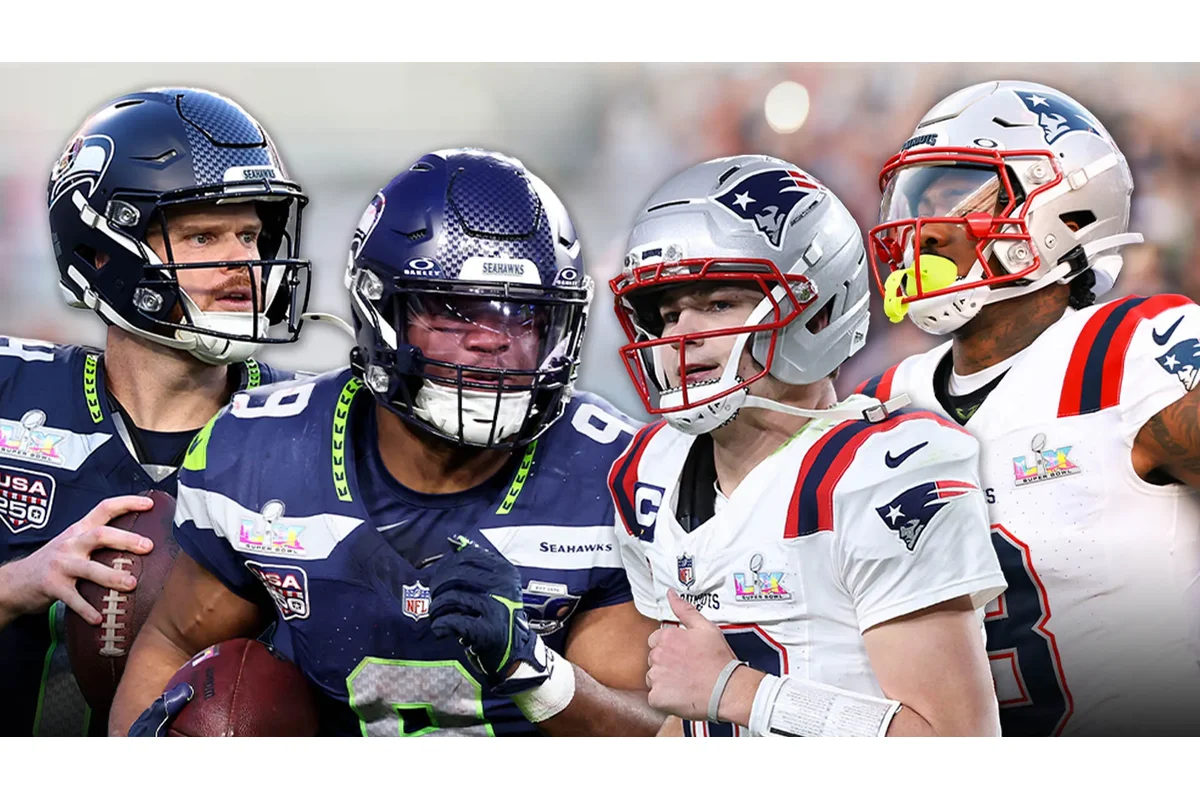
Among all NFL players in 2025, only Justin Herbert of the Los Angeles Chargers and Josh Allen of the Buffalo Bills earned more than Tagovailoa. A total of 27 players originating from Alabama high schools or colleges earned at least $10 million from their teams during the season that concluded with Super Bowl LX, where the Seattle Seahawks defeated the New England Patriots 29-13.
Of these 27 players, 10 advanced to the postseason, with three representing the Patriots in the Super Bowl. Additionally, three of them were selected for the Pro Bowl, while three others missed eight or more games during the season.
Details on Alabama Football Alumni Earning $10 Million or More
The wide spectrum of Alabama football alumni making $10 million or more in the 2025 NFL season includes notable names and their teams with salary figures sourced from spotrac.com:
- Tua Tagovailoa, Miami Dolphins quarterback – $50,913,647
- Jalen Hurts, Philadelphia Eagles quarterback – $42,507,560
- Josh Hines-Allen, Jacksonville Jaguars defensive end (Abbeville) – $33,000,000
- Tyreek Hill, Miami Dolphins wide receiver (West Alabama) – $26,273,529
- Carlton Davis, New England Patriots cornerback (Auburn) – $25,001,890
- Calvin Ridley, Tennessee Titans wide receiver – $23,007,560
- Patrick Surtain II, Denver Broncos cornerback – $22,171,260
- Daron Payne, Washington Commanders defensive tackle (Shades Valley, Alabama) – $20,570,000
- Marlon Humphrey, Baltimore Ravens cornerback – $18,001,890
- Minkah Fitzpatrick, Pittsburgh Steelers/Miami Dolphins safety – $17,500,000
- Jameson Williams, Detroit Lions wide receiver – $17,093,399
- Jonathan Allen, Minnesota Vikings defensive tackle – $16,955,000
- Jaylen Waddle, Miami Dolphins wide receiver – $16,154,834
- Jerry Jeudy, Cleveland Browns wide receiver – $16,004,725
- Tytus Howard, Houston Texans offensive lineman (Monroe County, Alabama State) – $15,977,518
- Jamien Sherwood, New York Jets linebacker (Auburn) – $15,010,080
- Derrick Brown, Carolina Panthers defensive tackle (Auburn) – $14,540,000
- Dalvin Tomlinson, Arizona Cardinals defensive tackle – $14,500,000
- Nico Collins, Houston Texans wide receiver (Clay-Chalkville) – $14,310,295
- Derrick Henry, Baltimore Ravens running back – $14,000,000
- Tyler Booker, Dallas Cowboys guard – $13,887,534
- Darius Slayton, New York Giants wide receiver (Auburn) – $13,000,005
- Jonah Williams, Arizona Cardinals offensive tackle – $12,890,000
- DeVonta Smith, Philadelphia Eagles wide receiver – $12,593,520
- Xavier McKinney, Green Bay Packers safety – $12,088,235
- Marcus Jones, New England Patriots cornerback (Enterprise, Troy) – $11,649,768
- Christian Barmore, New England Patriots defensive tackle – $11,509,450
Alabama’s Football Influence in the NFL Today
The extensive presence of Alabama-developed players among the NFL’s highest earners underscores the state’s impact on professional football talent. With 27 players earning at least $10 million, Alabama’s football programs—from high school to college—continue to produce elite athletes thriving in various positions across the league.
The benching of Tua Tagovailoa highlights the clear divide between contract size and on-field performance, reminding teams of the competitive pressures that can override even the largest investments. As the Dolphins transition to rookie Quinn Ewers for the closing games, observers will watch to see whether the change sparks improvement.
Looking ahead, Alabama’s football roots will remain a significant factor in NFL salary structures and team compositions, continuing to influence the sport’s landscape both on and off the field.
