
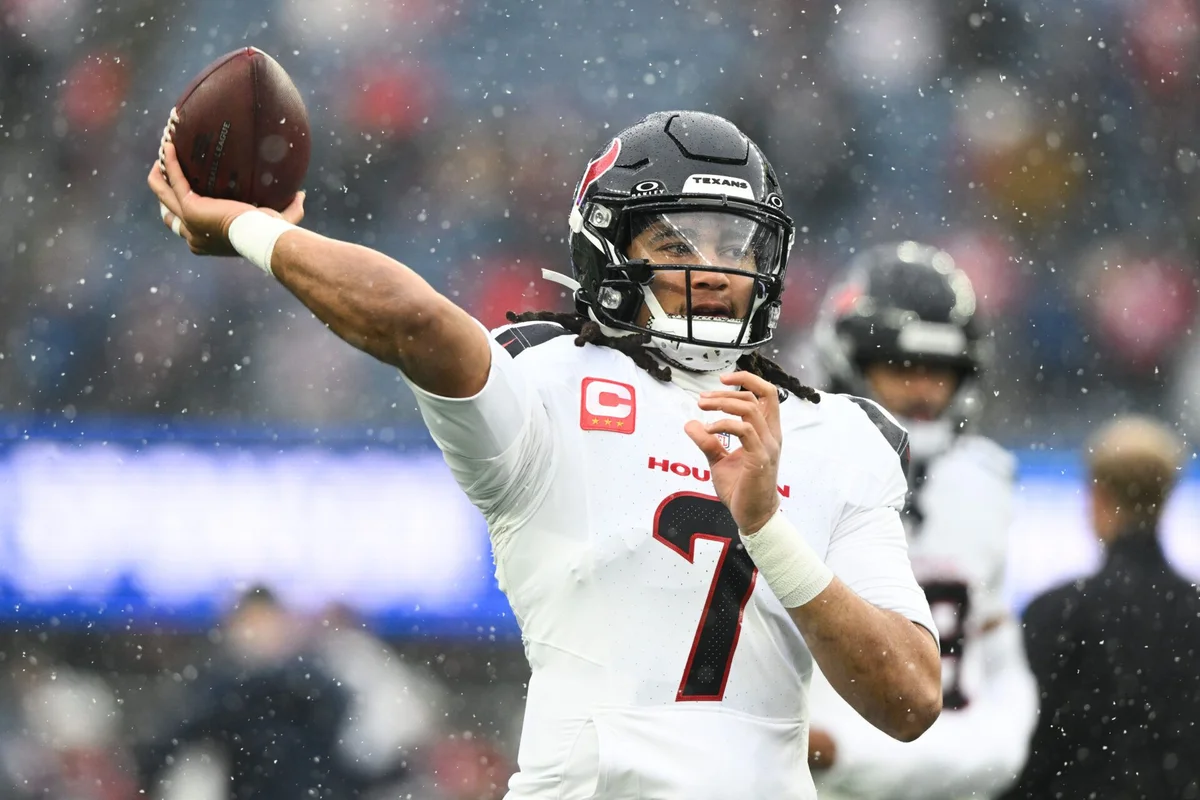
The NFL continues to debate Houston Texans quarterback C.J. Stroud’s mistakes more than ten days after Super Bowl LX, with scrutiny lasting over a month since his poor performances against the Pittsburgh Steelers and New England Patriots. This intense focus sheds light on a broader issue in football: the quarterback position is overvalued, distorting how the game and players are assessed.
How the Quarterback Role Has Been Overemphasized
For decades, the national media has promoted the idea that quarterback is the toughest position in professional sports, elevating it to the most crucial element in building successful NFL franchises. Iconic figures like Dan Marino, John Elway, Peyton Manning, Drew Brees, Joe Montana, Patrick Mahomes, and Tom Brady have shaped this perception, with expectations that current and future quarterbacks—such as Josh Allen, Lamar Jackson, Joe Burrow, Caleb Williams, Jared Goff, and Stroud—must carry their teams to multiple championships if they are truly elite.
However, this narrative overlooks important context and fosters “revisionist history” that inflates the quarterback’s importance unfairly.
Why Wins Should Not Be Seen as a Sole Quarterback Metric
Several celebrated quarterbacks never won a Super Bowl, including Marino, Matt Ryan, Phillip Rivers, Donovan McNabb, Jim Kelly, and Warren Moon, yet they are still remembered as great contributors to the sport. Others like Eli Manning, Aaron Rodgers, Drew Brees, and Brett Favre each have only one championship ring but remain among the game’s best. On the flip side, quarterbacks such as Trent Dilfer, Nick Foles, Jeff Hostetler, and Jim McMahon earned Super Bowl victories despite not being widely regarded as elite players. Nick Wright of First Things First encapsulates this clearly:
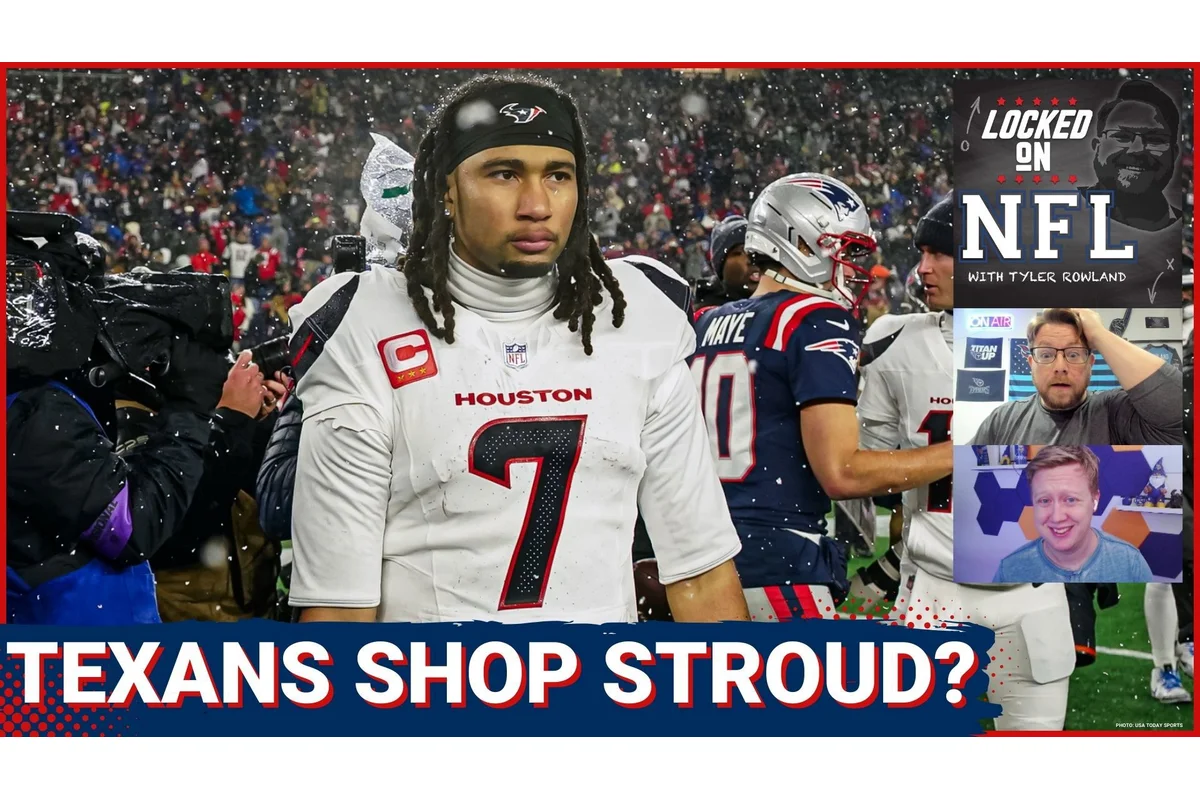
“wins are not a QB stat.”
The Crucial Role of Defense in Winning Championships
The quarterback often is not the primary reason teams secure championships. Dominant defenses have historically been the deciding factor in postseason success. Legendary defensive units like the 1985 Chicago Bears, 2000 Baltimore Ravens, the “No Fly Zone” Denver Broncos, the “Legion of Boom” Seattle Seahawks, and the current “Dark Side” Seahawks have dominated opponents and swung Super Bowl outcomes without depending on offensive stars at quarterback.
These defensive squads often stifled opposing offenses, paving the path to titles more decisively than any individual passer.
Other Key Factors That Determine Super Bowl Success
Kickers have also played an outsized role in championships, often being the difference-makers in clutch moments. Players such as Adam Vinatieri, Stephen Gostkowski, Harrison Butker, and Jason Myers have each contributed to multiple victories through their reliability and critical plays. Beyond kickers, the contributions of tight ends, offensive lines, coaching staffs, and ownership are essential for sustained team success and should not be overshadowed by quarterback-centric narratives.
Unrealistic Expectations on Quarterbacks Lead to Flawed Team Building
The inflated expectations placed on modern quarterbacks have created an unhealthy culture of instant judgment, prompting franchises to discard promising talent too quickly in pursuit of the “perfect quarterback.” This mindset fuels repeated failure, as some teams remain trapped in cycles of desperation and rebuilding. History across sports illustrates the importance of support systems—Michael Jordan’s titles came with Scottie Pippen, Kobe Bryant’s with Shaquille O’Neal and Pau Gasol, and LeBron James’ first rings with Dwyane Wade and Chris Bosh.
Winning in team sports is difficult, especially when one player is burdened with carrying the entire squad. This over-romanticizing of the quarterback position fuels knee-jerk reactions and excessive criticism, as seen in the case of C.J. Stroud.
Until perspectives shift toward valuing comprehensive team dynamics, young quarterbacks like Bryce Young, Jayden Daniels, Bo Nix, Drake Maye, and Stroud will continue to endure relentless scrutiny and exaggerated critique. Perhaps the fault lies not with these players, but with analysts and evaluators who expect one individual to fulfill the responsibilities of an entire 53-man roster.
“wins are not a QB stat.” ?Nick Wright, First Things First Analyst
