
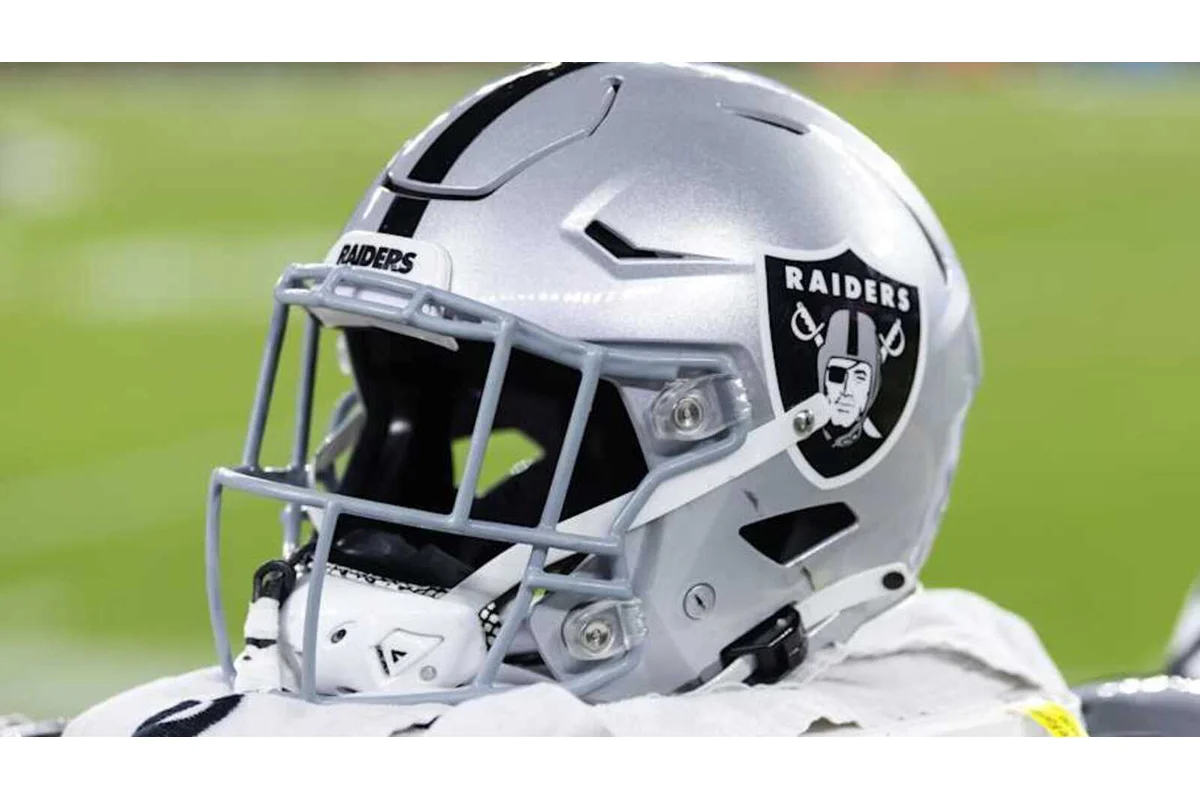
Las Vegas Raiders owner Mark Davis, inheritor of a storied NFL legacy, arrived at the Raiders’ training base just as the Bulldogs wrapped up their session, marking a rare intersection of NFL and NRL worlds in Sin City. Known for overseeing one of the NFL’s most valuable franchises, Davis is now looking to lend his insights to the National Rugby League as it expands its footprint in the United States.
Davis, son of the legendary Raiders owner Al Davis, who led the franchise to three Super Bowl victories and championed the motto “Just win, baby,” took over the team following his father’s passing in 2011. Since then, he has spearheaded its relocation from Oakland, California, to Las Vegas, managing an organization valued at US$7.7 billion. The owner’s commitment to success is reflected even in his $14 million mansion designed after Allegiant Stadium, the Raiders’ home turf.
Television Exposure and Increasing NRL Games in the US
Mark Davis is optimistic about the NRL’s prospect of gaining a stronger foothold in the American market by increasing visibility through more games and television broadcasts. He emphasized the importance of consistent exposure, stating,
“I think having more games and just people getting a chance to see it, and what it is,”
and noted further,
“And then, obviously, you need to get on television. You need that exposure.”
This weekend’s NRL round-one double header at Allegiant Stadium, broadcast on American TV, including Canterbury’s prime-time match against St George Illawarra on Fox Sports, demonstrates the league’s progress in reaching new audiences. Davis envisions this visibility as a critical component for building fan interest and expanding the sport’s presence in the US.

Building Bridges Between Rugby League and American Football
The Raiders already have an Australian player, Laki Tasi, on their roster, who transitioned from rugby league and union in Brisbane into American football. Praising Tasi’s physicality and potential, Davis said, “He’s doing good,” and added,
“He’s got to learn how to play, but what a big, big, big body specimen, man. He’s something else. We love him.”
Davis also acknowledged the toughness of rugby league players, commenting simply,
“I tell you what, they are tough enough,”
underscoring the athleticism and resilience that make these athletes compatible with the demanding nature of the NFL.
St George Illawarra Dragons Immersed in Las Vegas Culture
During their visit to Las Vegas, the St George Illawarra Dragons made the Ole Red live music bar their fan headquarters for the week, decked out with team flags and shirts worn by every staff member. The venue, located near the famed Las Vegas Strip opposite the Bellagio, even showcased photos of the Dragons’ fullback Clint Gutherson in its elevators, highlighting the club’s deep engagement with fans and the local culture.
The team’s player Dylan Egan is expected to participate extensively in media engagements during their stay, signaling an ongoing effort by the Dragons to both entertain and build support among Las Vegas residents and visitors alike. Unlike previous clubs that hosted fan nights, the Dragons committed to an entire week’s presence at Ole Red, further solidifying their connection to the city.
Peter V’landys Champions Cultural and Sporting Initiatives in Sydney and Abroad
Beyond rugby league games, ARL Commission chairman Peter V’landys recently celebrated the return of the Tropfest short film festival to Sydney after a seven-year hiatus, demonstrating his interest in fostering Australian cultural talent. V’landys remarked,
“I tell people I had a role in Bond,”
referring to his minor acting role in a miniseries, while describing his involvement with Tropfest to promote local filmmakers.
He explained,
“Sarah Murdoch, [actor] Bryan Brown, [advertising guru] Richard Weinstein, John Polson, who founded Tropfest, and myself realised there was a need for pathways for young Australian film-makers, similar to how we have pathways in rugby league. Together, we all brought Tropfest back to help discover our local talent.”
Prospects for Future NRL Season Openers Abroad
Looking ahead to 2026, V’landys confirmed that several NRL clubs, including Wests Tigers, Parramatta, Melbourne, Gold Coast, and the Dolphins, are prime candidates to participate in the next Las Vegas series of games. Despite ongoing discussions about expanding opening rounds to other international locations like London, Japan, and Hong Kong, Abu Dhabi currently stands out as the front-runner for hosting future season openers.
The Wests Tigers were noted to be conducting an assessment trip to Las Vegas to determine their suitability for a potential 2027 season opener, with recruitment director Shannon Gallant traveling to the city. This confirms the NRL’s steady strategy to globalize its appeal and maximize international engagement.
US Government and Sports Leaders Support NRL Expansion
Though President Trump is not scheduled to attend the NRL events in Las Vegas, the US government’s support is evident through the presence of Sarah B Rogers, Under Secretary of State for Public Diplomacy and Public Affairs, who will close the NRL’s business of sport conference with a speech on sport’s cultural influence in international relations and US policy priorities.
The conference will feature prominent figures like Las Vegas Raiders president Sandra Douglass Morgan, Brisbane 2032 Olympics president Andrew Liveris, and Marc Badain, president of the MLB’s Athletics, who will relocate to Las Vegas in 2028. Other notable attendees include Angela Ellisk, NFL Media’s vice-president of original content and entertainment, and Stacy Sonnenberg, head of global sports finance at Goldman Sachs, highlighting the cross-industry collaboration supporting rugby league’s expansion efforts.
The Growing Intersection of Sports, Culture, and Business in Las Vegas
Mark Davis’ interest in rugby league reflects a broader trend of sports and cultural integration in Las Vegas, a city known for embracing diverse entertainment and sporting initiatives. The convergence of the NFL’s Raiders, NRL events at Allegiant Stadium, and cultural hubs like Ole Red showcases how Las Vegas is positioning itself as a global center for major sporting events and fan engagement.
As the NRL continues to expand its reach internationally, leveraging strategic broadcasts, high-profile venues, and support from influential figures such as Davis and V’landys, the league could see significant growth in American viewership and participation. These efforts may pave the way for the NRL to become a recognized and established sport in the US, potentially attracting more athletes and fans to join the vibrant rugby league community.
