
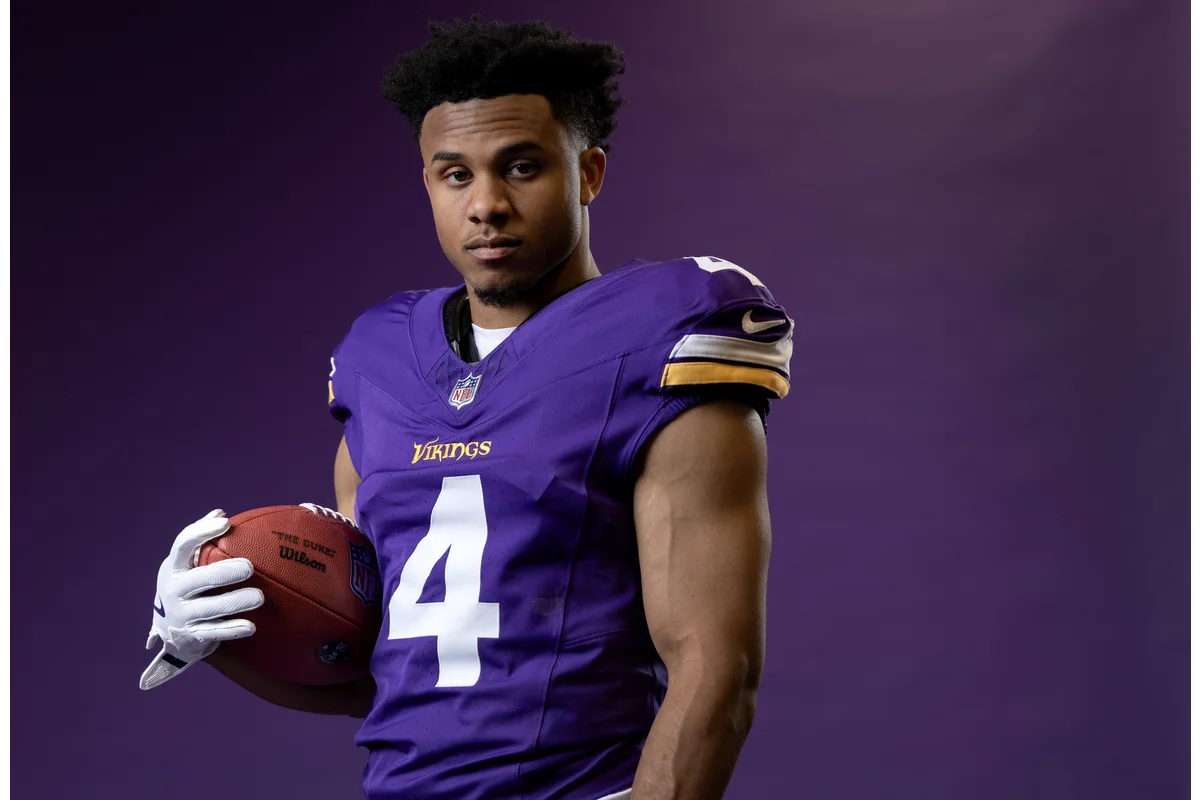
The NFL community was shaken on Saturday by the death of Rondale Moore, who passed away in New Albany, Indiana, at the age of 25. While many former teammates and coaches mourned his loss, some players have spoken out against the harsh and insensitive responses spreading across social media. Among them, Minnesota Vikings linebacker Jonathan Greenard strongly criticized fans who use tragedy as fodder for negativity, highlighting the emotional toll such reactions have on athletes.
Las Vegas Raiders safety Jamal Adams also addressed the issue on X (formerly Twitter) on Sunday, condemning how injured players are labeled “injury-prone” without consideration for the physical and mental challenges they face off the field. Greenard shared Adams’ message with a candid post aimed at those who treat players as mere public entertainment rather than humans.
“Ppl legit will say the most craziest things tryna be funny on this app,” Greenard tweeted. “Then turn around wondering why the players mentals are COOKED. Players see ALL the tweets just like yall do bc WE ARE HUMAN JUST LIKE YALL.”
“Algorithms will flood your page w BS that other ppl try to bring you down with. This isn’t all on the media but they play a part. Especially these bot pages. Use that block button and go pray for clarity on your identity fellas. We got too much life to live than to succumb to the negativity in our most vulnerable periods of time.”
Details Surrounding Rondale Moore’s Death and Career Challenges
Authorities found Rondale Moore deceased in a garage at a residence on Ekin Avenue in New Albany. According to New Albany Police Department Chief Todd Bailey, investigations are pointing toward a suspected self-inflicted gunshot wound. Moore’s career was repeatedly interrupted by injuries, including a knee tear during the Minnesota Vikings’ 2025 preseason opener that led to him being placed on injured reserve before the regular season. He also missed the entire 2024 season due to a knee injury while with the Atlanta Falcons.
Former Quarterback Urges Community to Offer Support Amid Tragedy
Ex-NFL quarterback Johnny Manziel shared a heartfelt tribute on Instagram, emphasizing the fragility of life and the importance of reaching out to those struggling. His post urged people to check on friends and loved ones, reminding everyone how a simple message or call can save lives.
“This is a sobering reminder of just how fragile and precious life is,” Manziel wrote. “To every single person out there struggling and on the door step of giving up PLEASE find any way to believe that life is worth it.”
“Check on your friends and your people in this world because you truly never know what somebody is going thru. One text, one call can be the difference. Praying for Rondale Moore and his family. We lost a great human and athlete way way too soon.”
The Broader Impact of Social Media on Athlete Mental Health
The online hostility exposed by the reactions to Moore’s death has reignited discussions about mental health struggles faced by players who constantly endure scrutiny and public pressure. Jonathan Greenard’s remarks underscore how the relentless barrage of negativity can severely affect players’ well-being during their most vulnerable moments. The calls to block toxic content and seek clarity on personal identity reflect a growing awareness of the damaging effects of social media environments on athletes and the wider community.
Moore’s death is a tragic reminder of the mental health challenges in professional sports, highlighting the need for greater compassion and support from fans and the league alike. As investigations continue, the NFL community is likely to keep focusing on better mental health resources while confronting the toxic culture on social platforms.
