
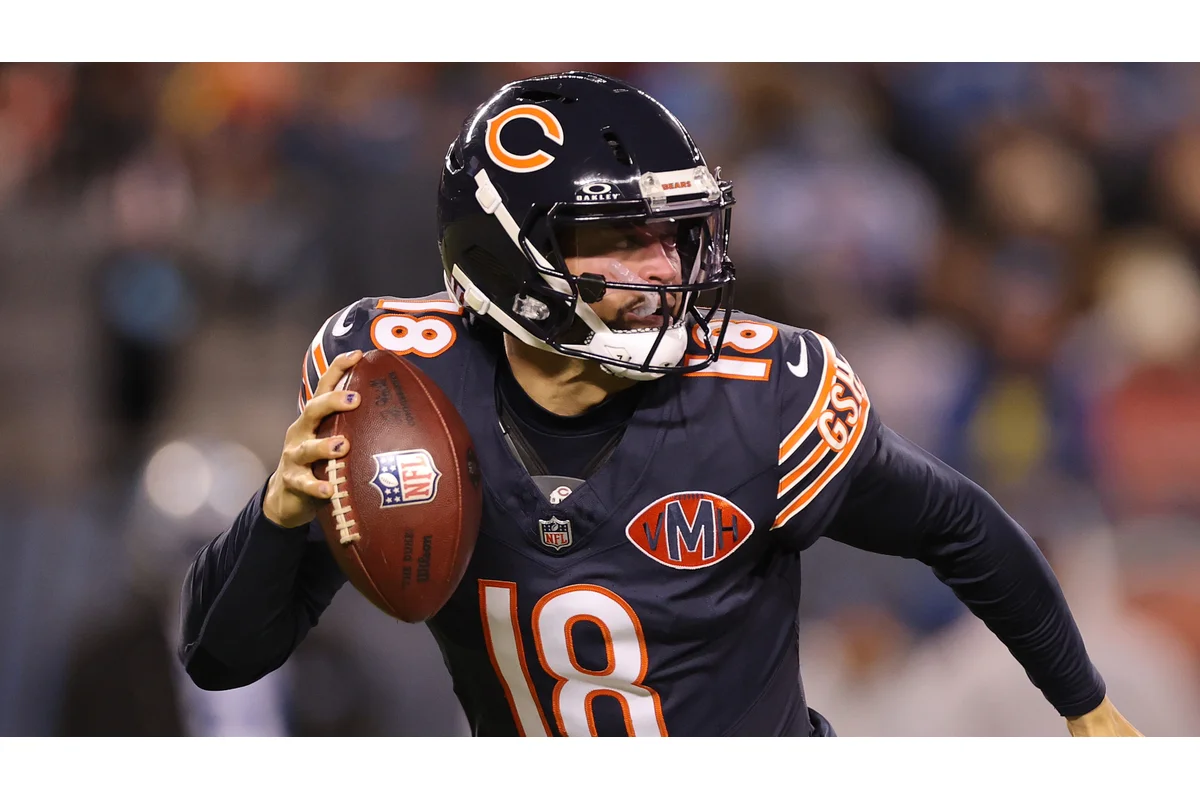
INDIANAPOLIS — The Chicago Bears are preparing to make a significant investment in quarterback Caleb Williams, who they selected first overall in the 2024 NFL Draft. General manager Ryan Poles announced at the NFL Scouting Combine that discussions about a potential contract extension for Williams are underway, marking a notable shift for the franchise as they grow confident in his long-term prospects.
Poles emphasized this won’t be a rushed decision, but the front office is already factoring in the possibility of Williams becoming one of the team’s highest-paid players, a situation common among elite NFL quarterbacks.
Poles Acknowledges Challenges Ahead While Expressing Optimism
Ryan Poles acknowledged that while Williams shows immense potential, there remain important developmental milestones for him to achieve.
“I hope eventually to have a quarterback situation, too, where we’ve got to pay a young quarterback,”
Poles said.
“We’re getting closer and closer to clarity on that side of things.”
The GM also stressed the importance of consistency over time, noting that Williams must refine fundamental skills and improve efficiency.
“Anyone that’s watched the league long enough knows that for quarterback play, it’s consistency,”
Poles added.
“Can you stack years on top of each other? We still have steps to go. I don’t want to make it like he’s already [there]. He knows he’s got work to do.”
Historic Moment for Bears’ Quarterback Strategy
This development is especially significant given the Bears’ recent history of instability at the quarterback position. Neither of their last two first-round signal-callers, Justin Fields or Mitch Trubisky, prompted serious early talks about extensions. Williams’ candidacy for a lucrative deal this soon highlights the franchise’s belief in his potential and coach Ben Johnson’s influence on accelerating his growth.
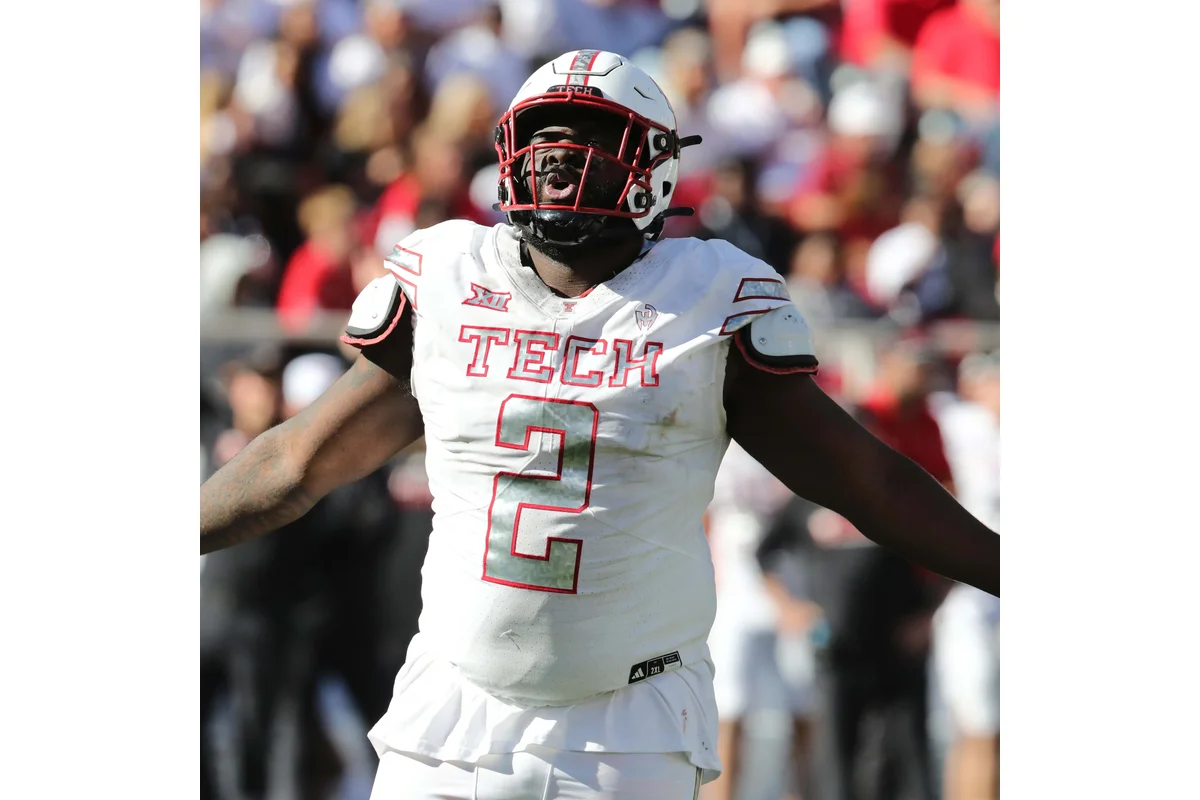
Williams produced impressive numbers during his rookie season: a Bears single-season record with 3,942 passing yards, ranking sixth in the NFL with 27 touchdown passes, and leading the team to its first playoff victory in 15 years. However, he also finished 22nd in passer rating (90.1) and last in completion percentage (58.1), underscoring the areas where improvement is necessary.
Financial Implications of a Potential Extension
Williams is currently operating under a rookie contract that pays significantly less than established starters, with $10.8 million expected this year and $12.6 million in 2027. Poles pointed out the strategic advantage of having an elite quarterback on a relative bargain, allowing the Bears to invest in building a deeper roster around him.
He said,
“Financially, you can field the best team when that quarterback isn’t taking up a massive piece of the cap.”
This financial flexibility is critical, considering the salary cap constraints that have challenged the team recently.
The window to maximize this advantage is limited, as teams typically face tough decisions once rookie contracts expire and quarterbacks command top market salaries. Poles acknowledged that when the time comes to pay Williams fairly, the Bears will have to adjust their roster-building approach accordingly.
Comparing the Bears’ Approach to Success Stories Across the NFL
Several recent Super Bowl contenders have benefited from locking in their quarterbacks while they were still on rookie contracts. Teams like the Kansas City Chiefs with Patrick Mahomes, the Los Angeles Rams with Jared Goff, the Cincinnati Bengals with Joe Burrow, the Philadelphia Eagles with Jalen Hurts, and the New England Patriots with Drake Maye all reached the Super Bowl within their quarterbacks’ rookie deals. Among them, the Chiefs secured a championship.
Poles suggested the Bears aim to replicate that model, stressing that having a locked-in quarterback doesn’t just improve competitiveness but shapes long-term roster development.
Market Trends in Quarterback Contracts Highlight Rising Stakes
The quarterback market is escalating rapidly, with recent deals such as Trevor Lawrence and Jordan Love signing contracts with $55 million annual averages. ESPN projects C.J. Stroud’s next deal to be similarly lucrative despite inconsistent play. Expectations for Williams’ extension will likely rise as the NFL salary cap grows, pushing new contracts even higher.
Poles is cautious but hopeful this season will be decisive for Williams and the Bears.
“But if all of that falls into place, we have to understand how that changes our formula as we move forward. That’s a great thing to be on that path. I feel like we have a long-term quarterback solution. It makes me excited,”
Poles said.
Upcoming Season Will Define the Bears’ Trajectory
The next year carries immense significance for both the Bears and Caleb Williams. Williams must demonstrate the consistency and performance needed to justify a long-term financial commitment, while the Bears, amid salary constraints and roster decisions, need to establish themselves as legitimate contenders in the competitive NFC North and league-wide.
If both goals are met, the organization could enter a promising new phase, moving beyond cycles of quarterback uncertainty and toward sustained success.
