

During the 2026 NFL free agency period, teams have pursued major contract commitments for players like wide receiver Alec Pierce, whose $114 million agreement with the Indianapolis Colts stands out among the league’s most precarious deals. These contracts reflect franchises’ willingness to take substantial risks, either by betting on emerging talent or managing players coming off significant injuries, all in the hope of contending for the Super Bowl.
As teams navigate the balance between rewarding performance and managing salary cap constraints, the Alec Pierce NFL contract exemplifies the growing trend of investing heavily in young offensive assets after limited but promising production. Across the league, franchises have reshaped market expectations for key positions, often making aggressive financial commitments to secure players they view as foundational to their future success.
Rising Risks in Player Contracts Across Key NFL Positions
The 2026 offseason featured several high-profile signings marked by large guaranteed sums, reflecting the NFL’s dynamic market for top talent. In many cases, teams have embraced contracts with considerable risk, including ties to players with injury histories or those whose NFL production is still unproven. The Colts’ decision to grant Alec Pierce a four-year, $114 million contract represents a significant wager on his continued rise after a single standout season.
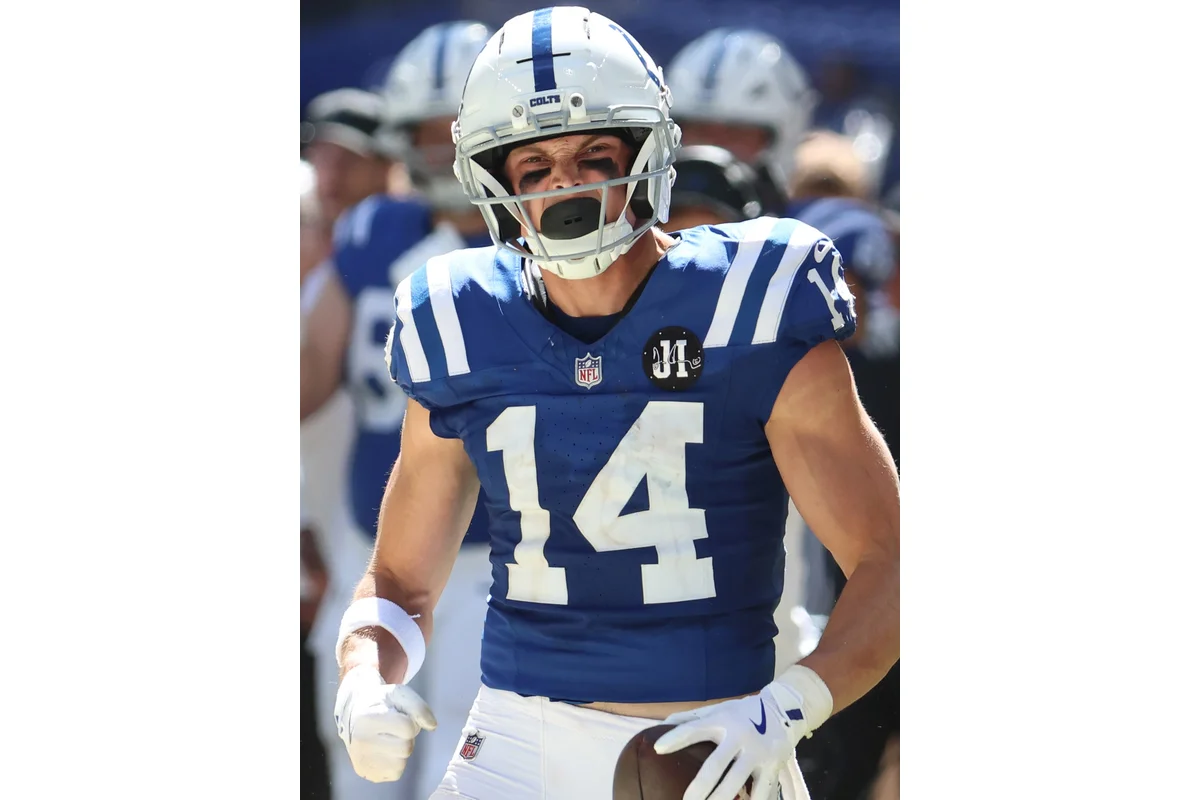
At 6-foot-3, Pierce’s 2025 campaign was his breakout, with 1,003 receiving yards and six touchdowns across 47 catches, marking his first 1,000-yard year in four seasons. With Michael Pittman Jr. traded away, Pierce has been elevated to the Colts’ top wide receiver. However, this lucrative deal, paying him approximately $29 million annually, places significant financial pressure on the franchise should his performance not meet elite status consistently.
Other Major Deals With High Risk Profiles
Several other NFL players have secured contracts this free agency that also entail considerable risk for their respective teams, spotlighting the league’s high-stakes talent acquisition.
Quarterback Malik Willis inked a three-year, $67.5 million contract with the Miami Dolphins despite limited NFL starts. Willis has started only six games in his four seasons, initially hyped as a potential first-round pick before falling to the third round. His recent performance with the Green Bay Packers showed promise, leading to a 2-1 record as a starter and throwing for 972 yards with six touchdowns and no interceptions. Miami’s financial landscape is complicated by Tua Tagovailoa’s remaining contract commitments, raising questions about how effectively Willis can justify his sizable contract if he becomes a long-term starter.
The Washington Commanders agreed to a four-year, $100 million deal with edge rusher Odafe Oweh, a player with 7.5 sacks in 12 games during 2025. Oweh’s consistent pass-rushing ability earned him $20 million annually, positioning him as the 12th-highest paid at his position, but the investment carries risk given the high salary burden and the imperative for sustained production.
Las Vegas Raiders made an aggressive commitment to center Tyler Linderbaum, signing him to a three-year, $81 million contract at $27 million per season, a massive premium in that market. While Linderbaum is a three-time Pro Bowler and considered among the NFL’s best at his position, this 50% market salary increase introduces salary cap risks to a franchise rebuilding after finishing last in the league.
The Carolina Panthers’ $120 million, four-year contract for edge rusher Jaelan Phillips was perhaps the boldest risk of all. Despite Phillips’ potential as a pass rusher, his recent seasons have been hampered by severe injuries, including an Achilles tear in 2023 and ACL damage in 2024. With no season since 2023 exceeding five sacks, this deal signals confidence in Phillips’ ability to return to elite form, though the lurking injury concerns make this a gamble for Carolina.
Financial and Strategic Implications for Teams
These large contracts reflect a broader willingness among NFL teams to reset market values aggressively, driven by the desire to secure players who can shift the competitive balance. For the Colts, investing heavily in Alec Pierce comes with the hope that he will develop into a reliable No. 1 wide receiver for years to come, especially after trading away established talent. Similarly, Miami’s acquisition of Malik Willis is a bold attempt to transition from Tua Tagovailoa while managing overlapping salary commitments.
For franchises like Las Vegas and Washington, the signings of Linderbaum and Oweh represent a commitment to cornerstone players capable of anchoring both offensive lines and pass rush units. Meanwhile, Carolina’s faith in Jaelan Phillips underscores how teams remain reliant on physical traits and potential in evaluating injury risks versus possible elite returns.
What These Contracts Mean for the NFL’s Future Talent Market
The presence of multi-million-dollar contracts granted to players with relatively limited production or recent injuries suggests the NFL is entering a period of aggressive financial gambles in free agency. Contracts like Alec Pierce’s $114 million deal signal that franchises are prioritizing young offensive playmakers, betting that breakout seasons will extend into lasting elite careers.
This evolving dynamic pressures teams to develop reliable methods for evaluating potential against long-term financial risk, especially as guaranteed money in contracts escalates rapidly. It also affects the overall market, creating precedent-setting salaries that other players and agents will reference in negotiations.
As the 2026 season approaches, how these contracts perform on the field will be closely watched, with implications not only for the teams involved but also for the broader league’s approach to player valuation and risk management.
