

The NHL trade freeze is in effect until 11:59 PM ET on February 22 as teams pause for the Olympics, with the league’s Trade Deadline set for 3 PM ET on March 6. Among the players frequently discussed for potential moves is Dougie Hamilton of the New Jersey Devils, whose future is under scrutiny amid his team’s challenging season. The Predators are eyeing strategic upgrades ahead of the deadline, and Hamilton has emerged as a prime target to strengthen their roster.
Current State of Play for Hamilton and the Devils
Dougie Hamilton has attracted interest from multiple teams due to his contract situation and the Devils’ disappointing performance. New Jersey’s record stands at 28-27-2, placing them 11 points shy of a playoff berth and ranking second to last in the Eastern Conference. Their current cap space is $7.4 million, much of which is available because defenseman Luke Hughes is on long-term injured reserve. However, looking ahead to the summer, the Devils will have only $13.125 million in cap room and face the burden of Hamilton’s $9 million average annual value contract. Given their position, moving Hamilton is a possible strategy to create more flexibility.
Why Hamilton Could Be the Key to Nashville’s Playoff Push
The Nashville Predators, having qualified for the playoffs in nine of the past eleven seasons, have missed the postseason twice in the last three years, including a disappointing current campaign. With a 26-24-7 record, they sit four points out of a playoff spot in the Western Conference. GM Barry Trotz, known for decisive roster moves, is reportedly open to acquiring Hamilton as a boost to their playoff aspirations.
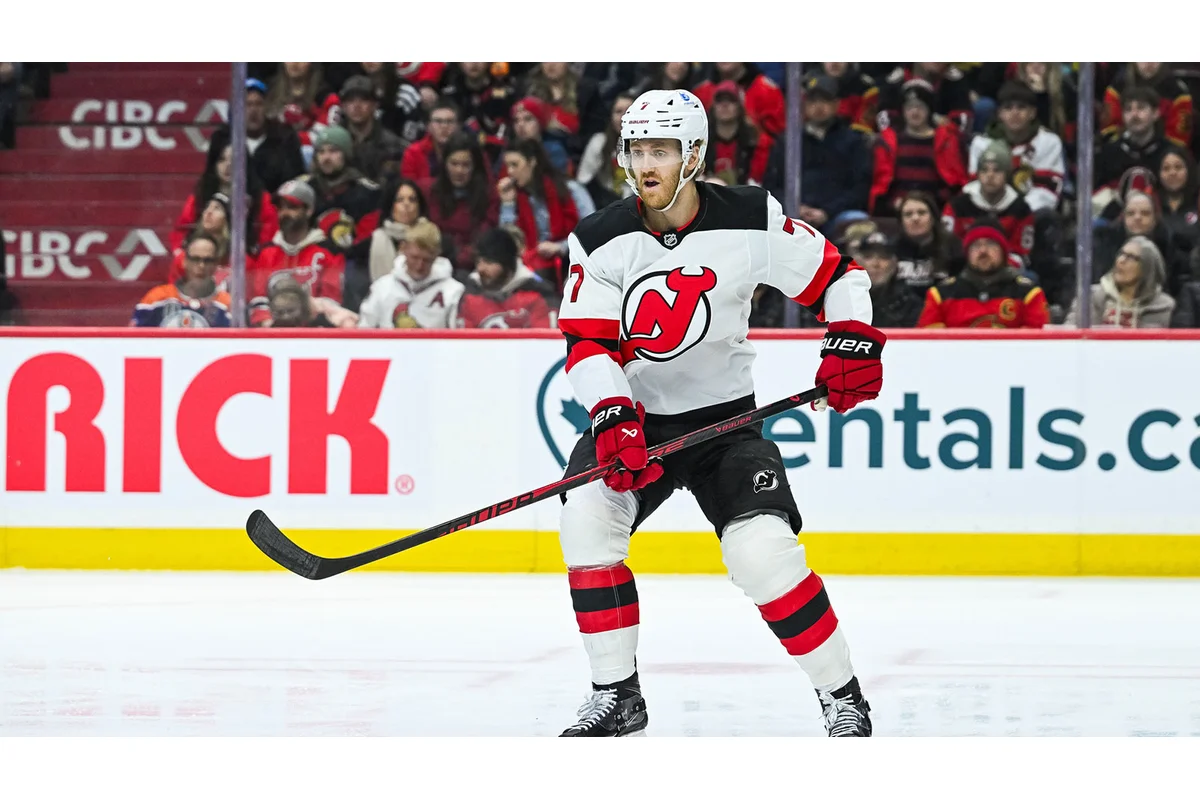
Although Hamilton’s offensive numbers this season have dipped, with seven goals and 14 assists in 52 games equating to 0.4 points per game—his lowest output since 2013-14—his powerplay contributions remain strong. He has scored three goals and assisted 11 times on the man advantage, a figure closer to his career norms. This is noteworthy for the Predators, who currently rank 13th in powerplay efficiency and could benefit from enhanced blue-line production in this area.
On the defensive side, Hamilton brings stability. His expected goals allowed per 60 minutes sits at 2.81, slightly below his career average, and notably better than several Predators defensemen such as Brady Skjei, Erik Haula, Nick Perbix, and Nicolas Hague. Skjei and Justin Barron currently occupy roles in Nashville’s second powerplay unit but have produced limited results. Hamilton’s integration into this unit, or even alongside Roman Josi on the top powerplay line, could improve overall defense and scoring chances.
Defense is a critical area for the Predators, who rank 28th in goals allowed per game this season. Hamilton’s presence on the backend could strengthen their defense corps significantly, helping to reduce goals against and stabilize the team’s overall performance.
Financial and Trade Considerations for Nashville
The Predators’ salary cap situation is advantageous compared to many teams interested in Hamilton. His current $9 million AAV contract extends through the 2027-28 season, a substantial commitment that limits options for organizations lacking cap space. Unlike teams that might require the Devils to retain salary, Nashville has room to absorb Hamilton’s contract without safety net payments, allowing flexibility for additional roster adjustments.
There are a few potential trade packages Nashville could propose. One option involves trading veteran forward Steven Stamkos, who has recently been at the center of trade discussions. Packaging Stamkos with a draft pick or prospect in exchange for Hamilton and a younger player like Cody Glass would give Nashville an upgrade but saddles them with a less favorable contract. Given New Jersey’s fading playoff hopes, acquiring another established but aging player may not align with their rebuilding goals.
Another scenario might see Nashville include defenseman Justin Barron along with a draft pick, while retaining a portion of Barron’s contract. Barron has underperformed for the Predators, and this trade would improve their lineup immediately. However, it would limit future cap flexibility, signaling a “win-now” approach.
Optimal Trade Proposal: Balancing Youth and Immediate Impact
The most strategic trade proposal likely involves a combination of draft picks and prospects, enabling Nashville to maintain its youth movement while strengthening the roster. Prospects such as Teddy Stiga, a former second-round pick with strong offensive upside and versatility across forward positions, could figure prominently in such a deal. Although Stiga lacks size, his potential fits well with the Devils’ interest in high-end talents.
Nashville holds significant draft capital, including six picks within the first four rounds of the 2026 NHL Draft and four third-round selections in 2027. Utilizing this wealth could sweeten an offer for Hamilton without sacrificing key young players like Brady Martin or Tanner Molendyk, both valuable assets for the team’s future. Moving Stiga alongside picks would facilitate a deal that supports the Predators’ short-term playoff ambitions while preserving long-term depth.
Barry Trotz’s likely final moves as GM could shape the Predators’ season trajectory, and a well-structured trade for Dougie Hamilton fits that approach. By enhancing their blue line both offensively and defensively, Nashville can tighten their playoff pursuit and address critical defensive shortcomings that have hindered the team.
